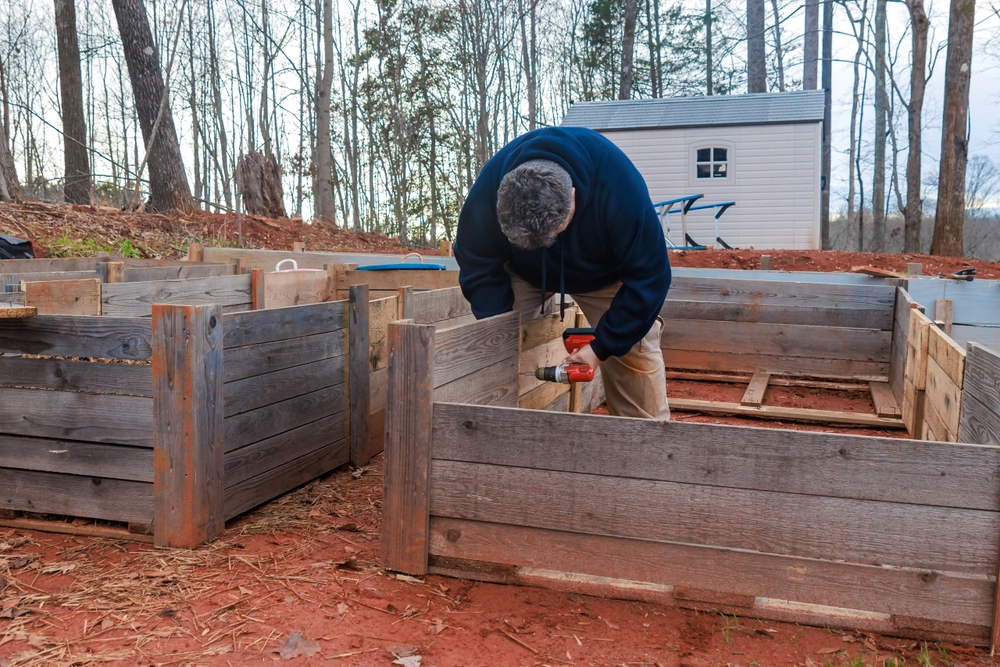
Gardening doesn’t have to break the bank. In fact, transforming a patch of dirt into a thriving garden oasis can be as budget-friendly as it is satisfying. Imagine rows of fresh vegetables, aromatic herbs, and colorful flowers popping out of a structure that didn’t cost a fortune to build. That’s where DIY raised garden beds come in, offering an easy, efficient, and surprisingly affordable way to turn any yard—or even a balcony—into a green paradise.
Some might think a raised bed requires a lumber bill that could make a small car blush, but it doesn’t. With a bit of ingenuity, materials you already own, or things you can grab for next to nothing, you can build a sturdy, stylish bed that will support your plants for years.
1. Reclaimed Pallets: Rustic Charm Without the Cost
Pallets often get a bad rap, but they’re garden gold. These sturdy wooden frames, often discarded by stores and warehouses, can be repurposed into charming raised beds with minimal effort. Start by making sure the pallets are safe for gardening; avoid those treated with toxic chemicals. Once cleaned and sanded, stack them, nail or screw them together, and fill with soil. The wood’s slatted design allows for drainage while keeping roots healthy and happy.
Beyond practicality, pallet beds carry a rustic aesthetic that feels like it grew out of the earth itself. They can be arranged in a modular setup, so if one section needs to move, it’s simple to lift and relocate. Pallets are also surprisingly flexible; they can form square beds, rectangular beds, or even vertical planters for small spaces. Throw in some colorful flowers climbing the sides, and you’ve got a visually striking feature that doubles as an eco-friendly project. With a bit of creativity, pallets can turn even the smallest backyard into a miniature farm without ever stepping foot in a lumber store.
2. Concrete Blocks: Industrial Strength That Lasts
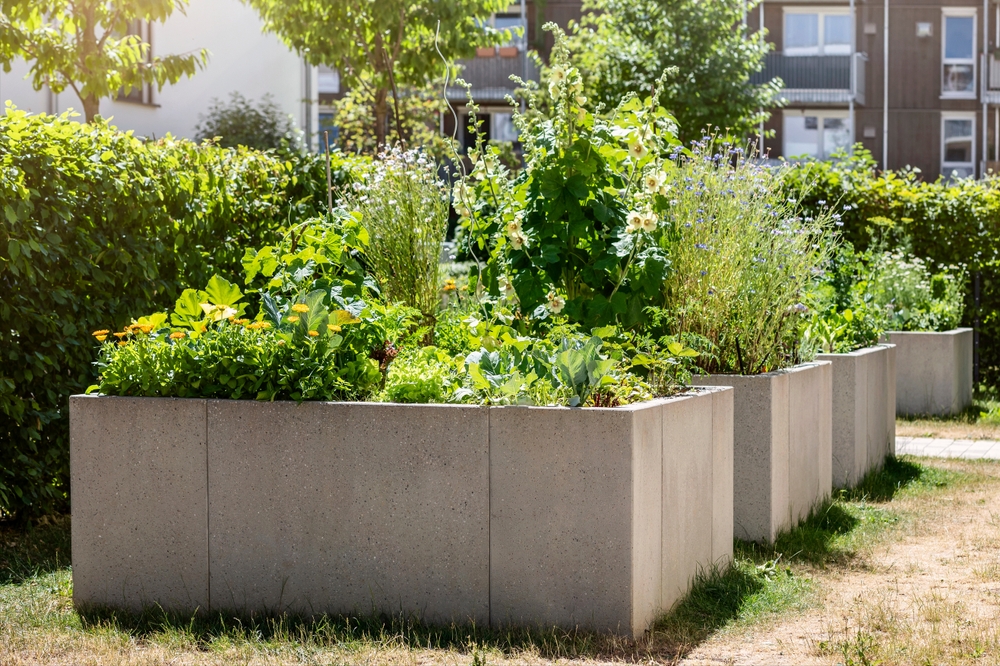
Concrete blocks bring durability that even the most ambitious gardener will appreciate. Their hollow centers provide natural pockets for extra planting, and their neutral gray tone creates a modern, industrial look that complements any landscape. Start by choosing a level surface and laying the blocks in your desired shape. You can stack them as high as your plants need to reach sunlight without worrying about structural collapse.
These beds are perfect for gardeners who want a low-maintenance option. Concrete doesn’t rot, warp, or attract pests the way wood sometimes does, and it’s simple to adjust if your garden layout changes. If aesthetics matter, consider topping the blocks with wood or stone caps for a polished finish. They’re versatile, too—you can create L-shaped beds to maximize corners, or long, linear ones that double as pathways. Beyond utility, concrete blocks make it easy to experiment with multi-level gardening, giving you more planting space and a visually dynamic garden that stands out.
3. Old Drawers and Dressers: Vintage Vibes Meet Function
Before tossing that beat-up dresser to the curb, consider giving it a second life in the garden. Drawers are ready-made containers with built-in structure, and once filled with soil, they provide the perfect space for vegetables, herbs, or flowers. Remove any old hardware that could rust and line the interior with landscape fabric to prevent soil leakage.
These beds make a bold statement, especially when painted in bright, weather-resistant colors. Layer drawers in staggered arrangements for a whimsical, tiered effect, or stack them neatly to conserve space. Old furniture beds can also fit into unconventional spaces where standard lumber beds won’t work, like patios, decks, or alleyways. Every piece carries character, giving the garden an instant story and charm that store-bought frames simply can’t replicate. It’s a practical, eco-friendly approach that merges form and function in a playful way.
4. Corrugated Metal Sheets: Sleek, Modern, and Surprisingly Affordable
Corrugated metal brings a sleek, contemporary feel to garden beds while keeping costs low. These sheets are widely available at hardware stores or can be salvaged from industrial sites. Bend them into rectangular boxes and secure with corner brackets or screws, ensuring the edges won’t harm hands or roots. Their reflective surfaces help regulate soil temperature, keeping roots warmer during cooler months.
Metal beds require minimal maintenance and last longer than most untreated wood options. Pair them with natural soil and organic compost, and the industrial look balances beautifully with lush greenery. These beds also allow for creative shapes—think triangles, circles, or irregular polygons—which can transform a standard garden layout into an architectural centerpiece. They’re ideal for urban spaces where style matters as much as function, proving that budget-conscious gardening doesn’t have to look cheap.
5. Straw Bales: Fertile, Cheap, and Totally DIY-Friendly
Straw bales are an unexpected hero for raised gardening. Unlike hay, straw contains minimal seeds, reducing unwanted plant growth. Line the bales in a rectangle, stack if desired, and soak thoroughly before adding soil or compost inside the center. Over time, the straw breaks down, enriching the soil naturally while giving your plants a nutrient boost.
Straw beds are lightweight and portable, allowing gardeners to rearrange layouts depending on sunlight or aesthetics. They’re particularly friendly for beginners because they warm quickly in the spring, extending the growing season. Surrounding paths with additional bales can create temporary borders or even casual seating. Plus, when the season ends, the decomposed straw doubles as mulch or compost, making it an environmentally friendly choice that supports a sustainable garden cycle.
6. Repurposed Tires: Colorful, Compact, and Surprisingly Effective
Old tires are often seen as trash, but they can make surprisingly functional raised garden beds. Paint them with vibrant, weather-resistant colors for instant curb appeal, then fill with soil and plant herbs, succulents, or small vegetables. Their circular shape encourages root growth while providing natural drainage.
Stacking tires allows for vertical gardening, which maximizes space in tight backyards or patios. Tires also retain heat, which can help certain plants thrive, especially in cooler climates. To prevent waterlogging, drill a few extra drainage holes at the bottom. This approach turns what might otherwise be an eyesore into a playful, practical, and surprisingly eco-conscious gardening solution that brings energy and color to the yard.
7. Plastic Storage Bins: Unexpectedly Handy and Customizable
Large plastic storage bins are an underrated option for raised garden beds. They’re waterproof, lightweight, and durable, and come in a wide range of shapes and sizes. Drill drainage holes at the bottom, fill with soil, and suddenly you have a contained, portable garden. These bins work exceptionally well for container gardening, urban balconies, or any spot where flexibility is key.
Plastic beds also allow for creative experimentation. Colorful bins can coordinate with garden themes, or you can label each container for herbs, flowers, or vegetables. When winter comes, simply relocate them indoors or under cover. They resist pests and don’t decay like untreated wood, offering a practical, cost-effective alternative that allows gardeners to test layouts without long-term commitments.
8. Stone or Brick Borders: Timeless, Solid, and Naturally Beautiful
Stone or brick is a classic choice that gives a garden an enduring, elegant look without needing expensive lumber. Stack stones or bricks to form the perimeter of your bed, leaving gaps for drainage and airflow. The structure can support large volumes of soil, making it ideal for vegetables or heavier plants.
Natural stone adds texture and color contrast, and bricks can be arranged in creative patterns that complement your yard’s design. Both materials are weather-resistant, require minimal maintenance, and last for decades. Incorporating stones or bricks also allows for integrated pathways, seating, or tiered designs. This approach is perfect for gardeners who value longevity, beauty, and a sense of permanence in their outdoor spaces.
Green Dreams Without Breaking the Bank
Budget-friendly raised garden beds prove that ingenuity trumps expensive materials every time. From pallets and old furniture to stones, tires, and straw, creative solutions let gardens thrive without costing a fortune. Each approach brings its own personality, functionality, and style to the backyard, ensuring that every plant has the perfect home to grow strong and healthy.
The key is to match materials to your space, climate, and desired aesthetic. Experimenting with combinations often yields unexpected beauty and satisfaction, showing that a smart DIY mindset can turn a simple patch of dirt into a garden wonderland.
Which idea sparks your imagination the most? Share your own budget-friendly garden creations, tips, or wildest planting experiments in the comments—there’s always room for more inspiration.
You May Also Like…
Termite Prevention Tips for Raised Beds
Early Termite Warning Signs Around Garden Beds
Low-Cost Ways to Build Raised Beds in 2026
The $5 Tool That’s Breaking and Ruining Raised Beds Across the South

Brandon Marcus is a staff writer for FrugalGardening.com at District Media, Inc., where he delivers practical gardening advice with a relatable, no-nonsense style. An avid amateur gardener, he holds a BA degree and with over ten years of professional writing experience, he is also an award-winning published author whose first book, Questions For Deep Thinkers, was released by Adams Media. His work has appeared in major publications including Fandom.com, CHUD.com, TheColdWire.com, and Fansided.com.
Leave a Reply