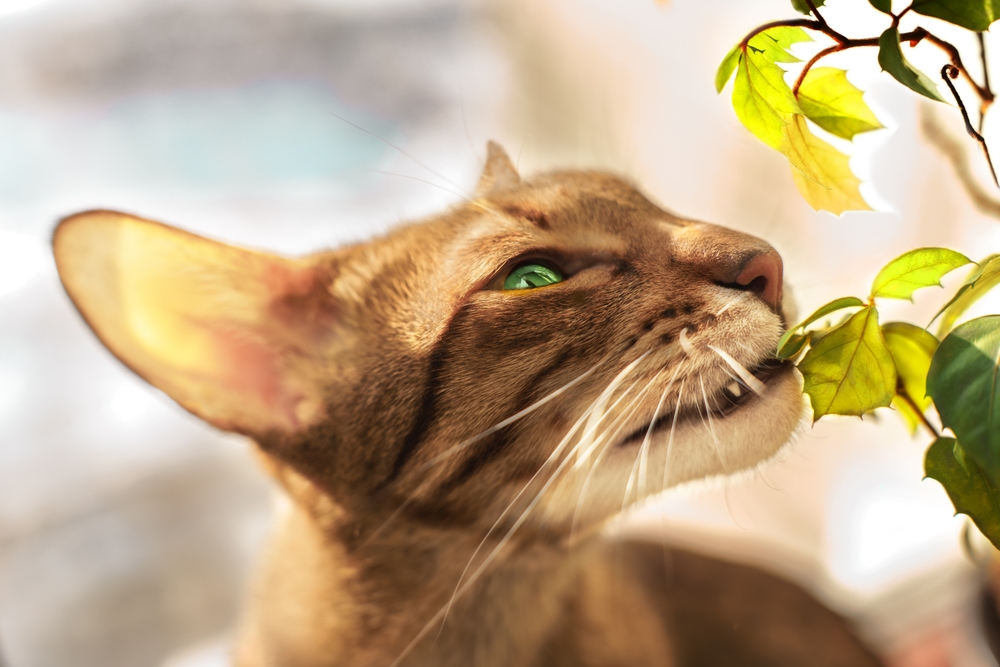
Houseplants have become the unofficial mascots of modern living, brightening up shelves, windowsills, and every corner that needs a little life. But just when you think you’ve mastered the art of keeping both your plants and your pets alive, pet poison helplines step in with a surprising alert.
A popular houseplant mix—one that’s been circulating in garden centers, big-box stores, and online marketplaces—may be far more dangerous to pets than its cheerful packaging suggests. This isn’t about scaring anyone away from greenery; it’s about making sure your living room jungle doesn’t accidentally turn into a hazard zone for the furry creatures who share it.
The Trendy Mix That’s Causing Concern
The alert centers around pre-made “tropical houseplant assortments,” which often bundle several species into one decorative pot. They look lush, vibrant, and ready to display, but the problem is that many of these mixes include plants that are toxic to cats and dogs. Pet poison helplines have specifically noted that these assortments frequently contain varieties like dieffenbachia, pothos, philodendron, and peace lilies—plants that are undeniably beautiful but can cause serious issues if chewed or ingested by pets. The tricky part is that the labels on these mixes often list only vague descriptions such as “tropical foliage,” leaving pet owners unaware of what they’re actually bringing home.
These plants contain insoluble calcium oxalates, which can cause intense oral irritation, drooling, vomiting, and difficulty swallowing in pets. While most cases aren’t fatal, they can be extremely painful and may require veterinary care. The concern isn’t new—these plants have long been known to be toxic—but the rise of bundled assortments makes it harder for consumers to identify what’s inside. When multiple species are packed together, even experienced plant lovers may struggle to distinguish one leaf from another.
Why These Mixes Are So Popular
It’s easy to see why these assortments have taken off. They’re convenient, visually appealing, and often marketed as low-maintenance décor. For busy households, they offer instant greenery without the need to curate individual plants. Retailers love them because they sell quickly, and customers love them because they look like a ready-made centerpiece. But convenience can sometimes overshadow caution, especially when the plants are chosen for aesthetics rather than safety.
Another reason for their popularity is the booming interest in indoor gardening. Social media has turned houseplants into lifestyle accessories, and people are eager to recreate the lush, curated looks they see online. Unfortunately, the trend has outpaced awareness about which plants are safe for pets. Many buyers assume that anything sold in a mainstream store must be harmless, but that’s not always the case.
What Pet Owners Should Watch For
If you’ve recently purchased a mixed houseplant arrangement, it’s worth taking a closer look at what’s growing in the pot. Identifying individual species can be challenging, but there are plenty of resources—plant ID apps, gardening groups, and local nurseries—that can help you figure out what you’re dealing with. If you spot any known toxic plants, consider relocating the arrangement to a high shelf or a room your pets can’t access. Cats, of course, are notorious for treating “high shelves” as personal playgrounds, so you may need to get creative.
It’s also smart to monitor your pets for any signs of plant nibbling. Some animals ignore houseplants entirely, while others treat them like a salad bar. If your pet starts drooling excessively, pawing at their mouth, or vomiting after interacting with a plant, contact your veterinarian right away. Quick action can make a big difference in their comfort and recovery.

Safer Plant Options That Still Look Stunning
The good news is that you don’t have to give up your indoor garden to keep your pets safe. There are many beautiful, non-toxic plants that can thrive in a variety of environments. Spider plants, Boston ferns, parlor palms, and peperomias are all excellent choices that add texture and color without posing a threat to curious animals. If you love the look of trailing vines, hoyas offer a gorgeous, pet-safe alternative to pothos.
When shopping, look for individual plants rather than pre-made assortments. This gives you full control over what enters your home and makes it easier to research each species. You can also ask garden center staff for guidance—many are happy to point you toward pet-friendly options. And if you enjoy the look of mixed arrangements, you can always create your own by combining safe plants in a single pot. It’s a fun project and a great way to ensure your décor aligns with your pet’s well-being.
A Greener Home Without the Worry
Various pet poison helplines are alerting animal lovers that even the most stylish trends deserve a second look when pets are involved. Houseplants can absolutely coexist with animals, but it takes a little awareness and a willingness to read beyond the label. By choosing safe species, identifying what’s already in your home, and staying alert to your pets’ behavior, you can enjoy a thriving indoor garden without compromising your pet’s safety. A little knowledge goes a long way, and in this case, it can make your home both greener and safer.
What plants do you keep at home, and have you ever had to rethink your indoor garden because of your pets? Give us your thoughts and advice in our comments section below.
You May Also Like…
Vets Warn: This Common Yard Plant Is Sending Pets to Emergency Clinics
Pet Owners Warned: This Common Yard Plant Is More Toxic Than You Think
Soil Scientists Warn: This Contamination Is Spreading Fast in Home Gardens Across the South
Are Planting This “Safe” Shrub — But It’s Deadly for Cats
Wildlife Officials Say This Popular Bird Feeder Setup Is Spreading Disease

Brandon Marcus is a staff writer for FrugalGardening.com at District Media, Inc., where he delivers practical gardening advice with a relatable, no-nonsense style. An avid amateur gardener, he holds a BA degree and with over ten years of professional writing experience, he is also an award-winning published author whose first book, Questions For Deep Thinkers, was released by Adams Media. His work has appeared in major publications including Fandom.com, CHUD.com, TheColdWire.com, and Fansided.com.
Leave a Reply