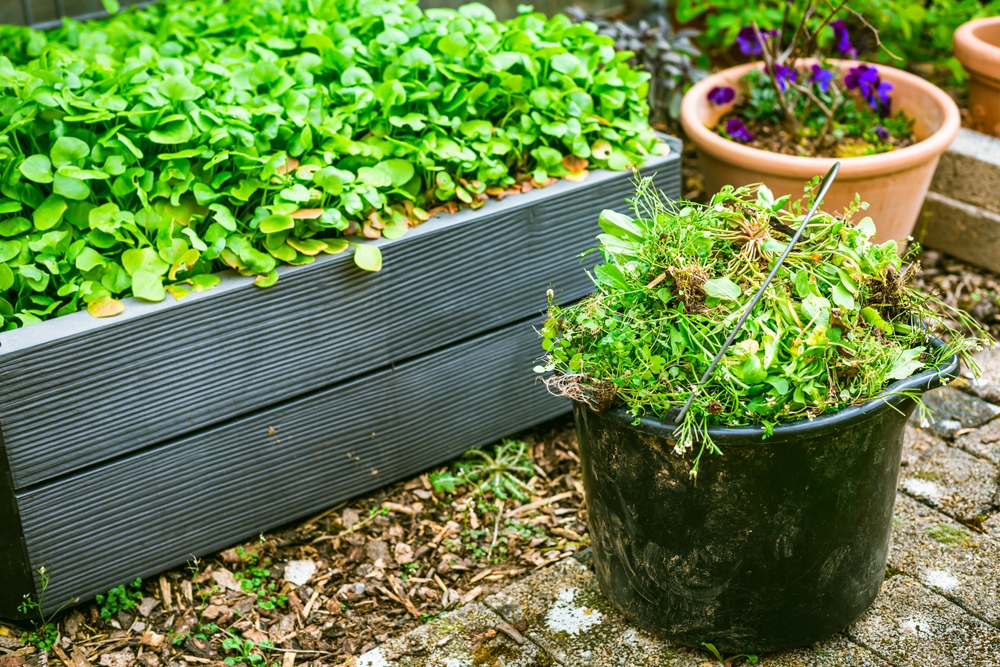
Winter might seem like a season for dormancy, when frost and cold keep most plants asleep. But for the bravest, most relentless weeds, winter is prime time to thrive while your garden is at a standstill. These sneaky green invaders don’t take a holiday—they march quietly under the snow, preparing to burst forth at the first hint of sun.
If you think weeds take a vacation in December, think again. Get ready to meet the plants that laugh at frost and make winter gardening feel like a battle zone.
1. Chickweed: The Tiny Winter Warrior
Chickweed may look harmless with its delicate white flowers and soft leaves, but don’t be fooled. This weed spreads like wildfire, forming dense mats that can choke out grass and other plants. It thrives in cool, moist soil, making winter a perfect growing season for it. Even a small patch can turn into a garden-wide invasion in a matter of weeks. Gardeners often find that once chickweed arrives, it refuses to leave without persistent effort.
2. Henbit: The Purple Invader
Henbit is a purple-flowering cousin in the mint family that sneaks into lawns and gardens when you least expect it. Its shallow roots and rapid germination allow it to dominate soil that other plants are barely touching. Winter is ideal for henbit because it germinates early and grows fast before more aggressive spring weeds appear. This weed’s sprawling stems make it incredibly difficult to remove completely by hand. Ignoring henbit can lead to it turning your winter garden into a vibrant purple takeover.
3. Wintercress: The Cold-Hardy Challenger
Wintercress is aptly named because it thrives in temperatures that would leave most plants drooping. Its yellow flowers can be seen even in icy conditions, and its deep root system makes it resilient against frost and light tilling. This weed spreads quickly in disturbed soil, especially in garden beds and along sidewalks. Wintercress can steal nutrients from nearby vegetables, leaving your crops weaker and less productive. Treating it early in winter is crucial to prevent it from becoming a spring nightmare.
4. Dandelions: The Perennial Powerhouse
Dandelions are the ultimate winter-hardy weed, capable of surviving harsh freezes and snow cover. Their deep taproots allow them to access nutrients and water that most shallow-rooted plants can’t reach. Even when above-ground leaves die back, dandelions continue growing underground, ready to explode into action when temperatures rise. Their seeds are easily dispersed by wind, ensuring new infestations pop up across your yard. Winter may slow their growth, but it does nothing to stop their long-term domination.
5. Groundsel: The Rapid Winter Sprinter
Groundsel may not be as famous as dandelions or chickweed, but it is one of the fastest winter growers. This weed produces seeds almost continuously, allowing it to colonize open spaces with alarming speed. Its shallow roots make it a tricky competitor for newly planted winter crops and garden flowers. Groundsel thrives in moist, nutrient-rich soil, making your mulched beds a playground for its growth. If left unchecked, groundsel can turn from a minor nuisance to a full-blown garden invasion in just weeks.
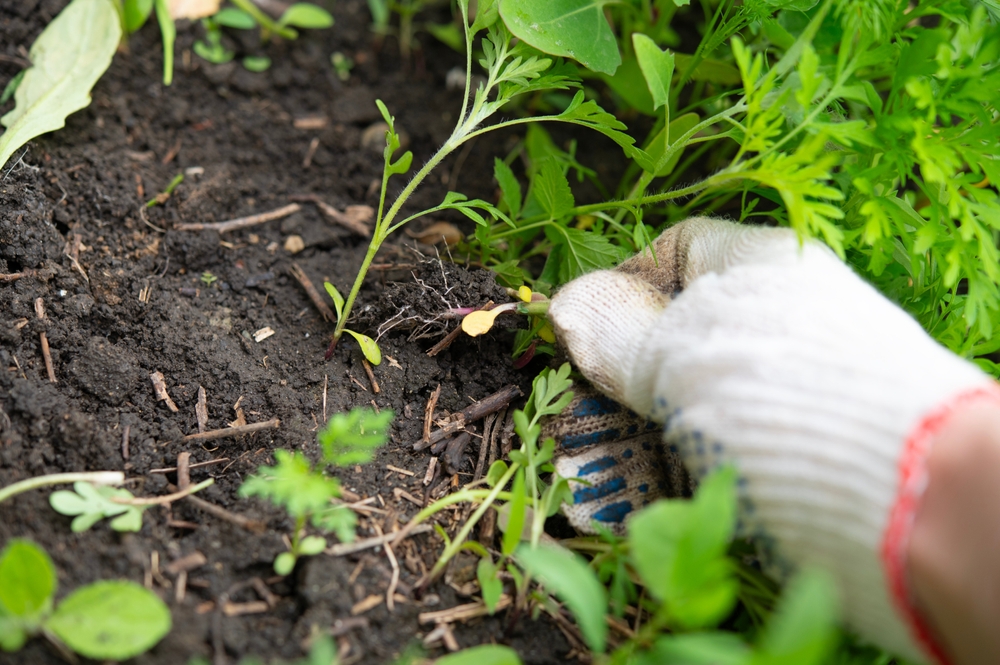
Winter Weeds Are Never On Vacation
Winter weeds are the uninvited guests that show up early, refuse to leave, and quietly plot their takeover while you sip hot cocoa inside. Knowing the most aggressive culprits—chickweed, henbit, wintercress, dandelions, and groundsel—gives gardeners the upper hand in controlling them before spring arrives. Vigilant weeding, strategic mulching, and spot treatments with eco-friendly herbicides can make a huge difference. Winter is no excuse to slack off; it’s actually the perfect time to get ahead of these persistent invaders.
Tell us your experiences with winter weeds in the comments section below, and let’s swap tips and stories about how these sneaky plants have tested your patience.
You May Also Like…
11 Sneaky Weeds That Look Innocent Until They Destroy Your Beds
Are You Accidentally Encouraging Weeds Without Realizing It?
Killing Weeds with Diesel? Here’s What You Need to Know First
7 Insidious Weeds That Will Take Over Your Garden if You Ignore Them
Can Your Garden Recover After a Harsh Winter Freeze?

Brandon Marcus is a staff writer for FrugalGardening.com at District Media, Inc., where he delivers practical gardening advice with a relatable, no-nonsense style. An avid amateur gardener, he holds a BA degree and with over ten years of professional writing experience, he is also an award-winning published author whose first book, Questions For Deep Thinkers, was released by Adams Media. His work has appeared in major publications including Fandom.com, CHUD.com, TheColdWire.com, and Fansided.com.
Leave a Reply