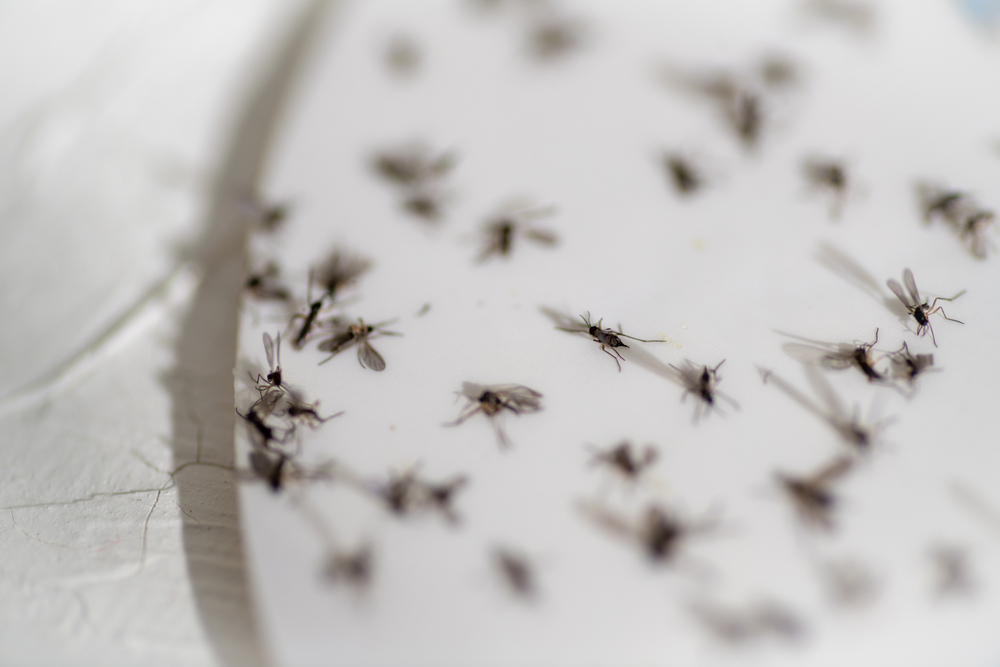
If you’ve ever glanced at your favorite indoor plant and noticed tiny, irritating flies hovering above the soil, you’re not alone. Fungus gnats are the unwelcome guests that can turn a peaceful indoor jungle into a buzzing nightmare, and experts are pointing the finger at one surprisingly popular houseplant soil mix.
For decades, potting mixes rich in moisture-retentive organic matter have been sold as the perfect solution for lush, thriving plants, but that very composition may also be the perfect breeding ground for gnats. Understanding why this happens, which mixes are most at risk, and how to prevent infestations can save your plants — and your sanity.
Why This Popular Soil Mix Is a Gnats’ Paradise
Most of the widely used potting soils contain peat moss, coconut coir, composted bark, and other organic materials. These components hold moisture exceptionally well, which is fantastic for plants like ferns, pothos, and philodendrons, but it’s terrible news for indoor plant pest control. Gnats don’t just appear magically; they need moist soil rich in decaying plant matter to complete their life cycle. The adult flies lay eggs in the top inch of soil, and within days, larvae hatch and begin feeding. By the time you notice the gnats flying around your plant, an entire generation of larvae may already be thriving below the surface.
Experts advise that gardeners pay careful attention to soil drainage and aeration. Soil mixes that retain too much water without proper airflow create pockets of stagnation that gnats adore. The good news is that by choosing the right soil and adjusting watering habits, you can drastically reduce gnat infestations without resorting to harsh chemicals. Plus, a number of popular houseplants can do the job for you.
Aloe Vera: Healing Soil and Repelling Gnats Naturally
Aloe vera isn’t just a skin-soothing superstar; it also thrives in dry, well-draining soil that discourages fungus gnats. It likes a sandy or cactus mix, which naturally reduces moisture retention in the topsoil. This plant’s minimal water needs make it almost self-sufficient, meaning you’ll have fewer overwatering accidents that attract pests.
Positioning aloe near susceptible plants can also encourage better air circulation and soil dryness in your indoor garden, further reducing the risk of gnats.
Snake Plant: The Low-Maintenance Gnat Fighter
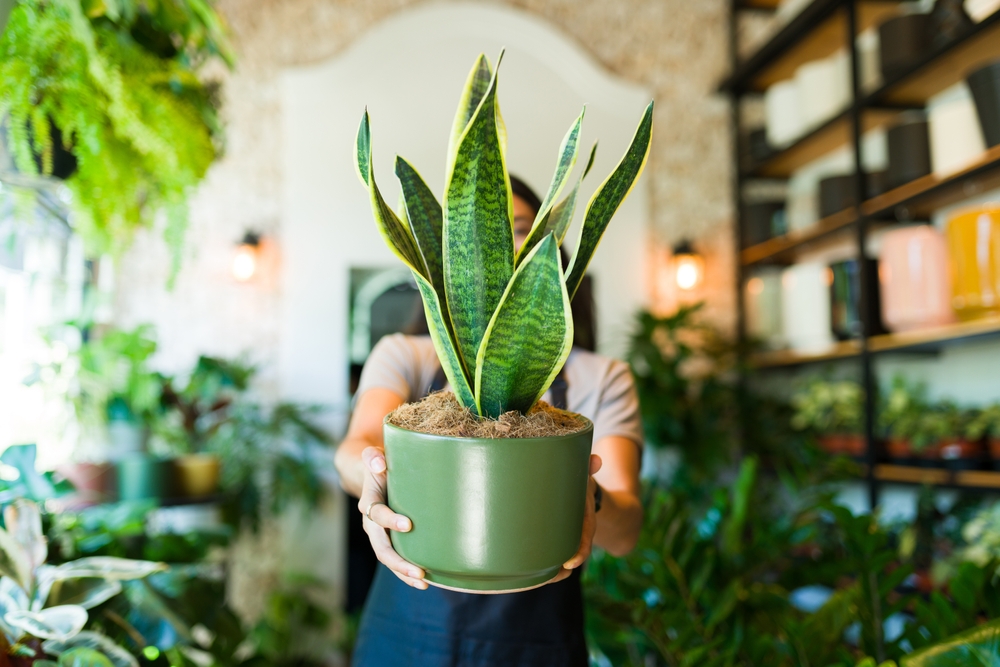
Snake plants, or Sansevieria, are famous for thriving under neglect, which makes them excellent allies in pest prevention. They demand infrequent watering and grow well in soil mixes that drain quickly. By maintaining drier soil, snake plants make it harder for fungus gnats to survive.
These upright, architectural plants also enhance airflow around the base of other potted plants, indirectly helping to dry soil surfaces faster. For those seeking beauty and function in one, snake plants are a must-have addition to any indoor plant collection struggling with gnats.
Spider Plant: Quick-Growing and Pest-Resistant
Spider plants are not only visually appealing with their cascading leaves but also resilient against many common indoor pests. While they like moderate moisture, their soil preference leans toward well-draining potting mixes that don’t stay soggy for long. This natural inclination discourages fungus gnats from establishing a breeding ground.
Spider plants’ ability to thrive in slightly variable conditions means you can experiment with lighter soil mixes and less frequent watering, further limiting pest infestations while keeping your green space lively.
Peace Lily: Beauty With a Soil Sensibility
Peace lilies are adored for their glossy leaves and delicate white blooms, but even this elegant plant has a practical side when it comes to gnat prevention. They prefer soil that is kept consistently moist but not saturated, making balance crucial.
By mixing standard potting soil with perlite or sand, you create an environment that retains enough moisture for the plant but dries sufficiently on the surface to reduce gnat activity. Peace lilies also benefit from being slightly top-dry between waterings, giving larvae fewer opportunities to thrive in wet soil.
ZZ Plant: Tough, Stylish, and Gnat-Proof Friendly
ZZ plants, or Zamioculcas zamiifolia, are champions of low-maintenance indoor gardening. Their rhizomes store water efficiently, allowing the soil to dry between waterings. By planting ZZs in gritty, fast-draining mixes, you reduce the moist surface layer that gnats need. Their durability makes them ideal companions for mixed indoor collections where controlling moisture levels is critical.
With ZZ plants in your arsenal, you can keep a stylish, pest-resistant corner of your home that even beginners can manage with minimal effort.
Pothos: Trailing Green That Likes It Dry
Pothos are beloved for their trailing vines and forgiving nature, but they also thrive when soil is slightly allowed to dry out between waterings. By choosing a light, well-draining soil mix, you make it difficult for gnats to establish colonies.
These plants’ natural resilience to variable moisture, combined with proper soil choices, keeps your indoor jungle both vibrant and relatively pest-free. Regular pruning and airflow also enhance their ability to resist fungal pests, making pothos an essential plant for gnat-conscious gardeners.
Rubber Plant: Bold Leaves, Low Risk
Rubber plants (Ficus elastica) enjoy indoor spaces with bright, indirect light and soil that doesn’t retain too much water. Overwatering is their biggest enemy, and gnat infestations often coincide with moist, dense soils.
By opting for a soil mix with aerating amendments such as perlite, pumice, or coarse bark, gardeners can maintain healthy, well-draining conditions that keep roots thriving while preventing gnats from breeding. Rubber plants’ robust nature allows them to tolerate slight dryness without compromising growth, which further discourages pests.
Dracaena: Vertical Drama Without the Gnats
Dracaena varieties are dramatic, tall, and visually striking, and they also favor soil that is not consistently wet. This preference naturally deters gnats, who cannot thrive in fast-draining mixes.
By monitoring watering and ensuring the top layer of soil dries slightly between sessions, Dracaenas act as both statement plants and natural deterrents. Their adaptability to a range of indoor environments makes them versatile choices for spaces prone to gnat infestations.
Philodendron: Lush Green Without the Infestation Risk
Philodendrons are iconic for indoor gardeners seeking tropical appeal. They prefer airy, fast-draining soil that allows roots to breathe, making overly moist, organic-rich mixes unnecessary and potentially harmful.
Adjusting the soil mix to include components like orchid bark or perlite helps maintain sufficient moisture for growth while keeping the surface less hospitable to gnats. Regularly checking the soil and using light top-dressing mulch can help maintain both aesthetics and pest resistance.
Keep Your Indoor Garden Buzz-Free and Beautiful
The rise of fungus gnats in houseplant soil isn’t a coincidence — it’s a direct result of popular soil mixes that retain too much moisture and organic matter. By selecting plants that thrive in well-draining, drier soils and adjusting watering habits, indoor gardeners can reduce infestations, promote healthy roots, and maintain the lush indoor jungles they love.
Are you rethinking your soil mixes or switching up your indoor plant lineup to keep gnats at bay? Share your strategies, successes, or horror stories in the comments.
You May Also Like…
This One Winter Gardening Habit Could Be Spreading Invasive Pests Across the South
Why Your Raised Beds Might Be Harboring Pests Right Now—Even in Freezing Temps
Why Pests Overwinter in Untended Garden Beds
Experts Say These Dollar Store Garden Items Are Killing Plants in 2026
10 Garden Purchases That Sound Useful but Rarely Pay Off

Brandon Marcus is a staff writer for FrugalGardening.com at District Media, Inc., where he delivers practical gardening advice with a relatable, no-nonsense style. An avid amateur gardener, he holds a BA degree and with over ten years of professional writing experience, he is also an award-winning published author whose first book, Questions For Deep Thinkers, was released by Adams Media. His work has appeared in major publications including Fandom.com, CHUD.com, TheColdWire.com, and Fansided.com.
Leave a Reply