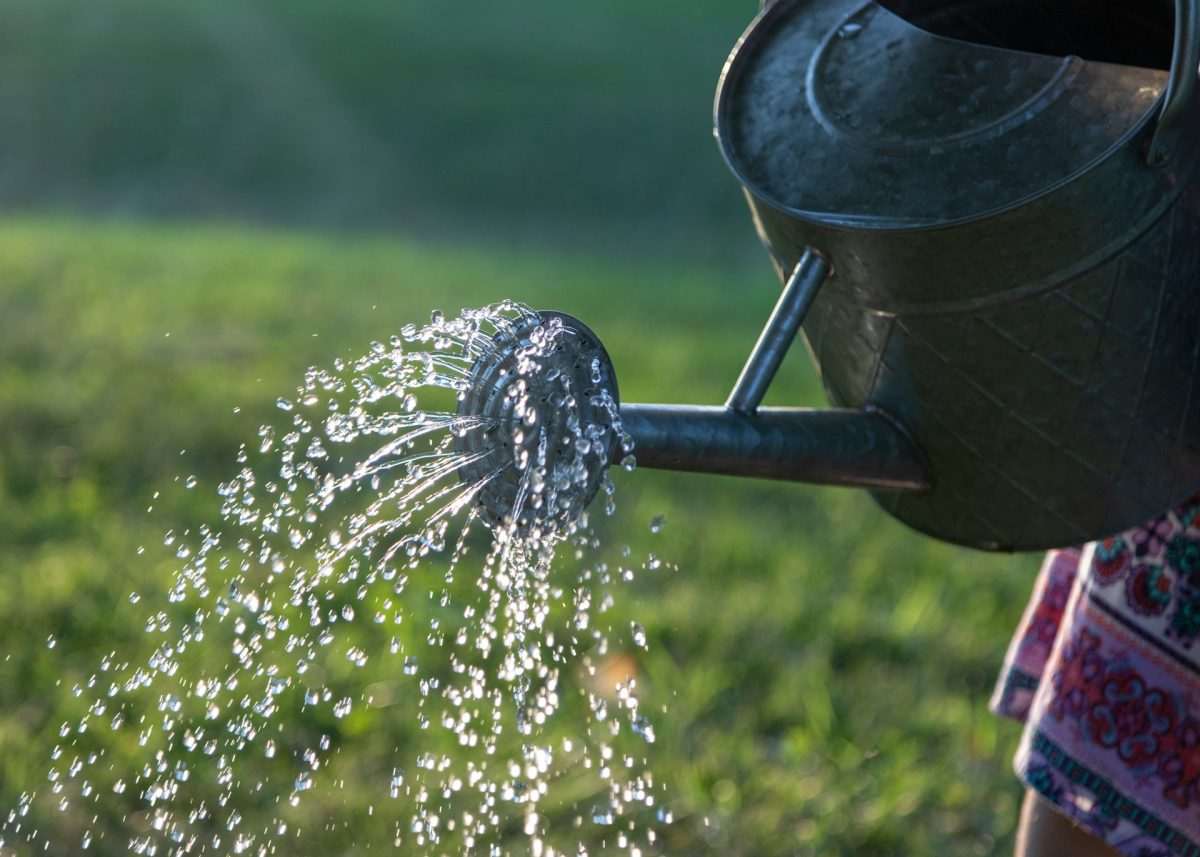
Watering plants seems simple. You grab a watering can, pour, and hope for the best. But what if that “helpful” habit actually sabotages your greenery? Every day, countless plants perish not from neglect, but from an excess of care. Experts have noticed a pattern that keeps repeating: well-meaning gardeners are overwatering their plants, turning vibrant leaves into yellowing warnings and strong roots into mushy casualties. The idea of “more is better” fails spectacularly here. Plants do not need constant attention; they need precise care.
Overwatering doesn’t just stunt growth—it opens the door to a cascade of problems that gardeners often overlook until it’s too late.
The Hidden Dangers of Overwatering You’re Ignoring
Most plant problems trace back to water mismanagement, yet many gardeners persist in the cycle because the symptoms appear slow and subtle. Soil saturated beyond necessity deprives roots of oxygen, which is essential for respiration. Roots essentially suffocate, weakening the plant from the inside out. The telltale signs, like yellowing leaves, drooping stems, or soft, blackened roots, only appear after irreversible damage has begun.
Overwatering also fosters fungal growth, creating ideal conditions for diseases like root rot and powdery mildew. These infections can spread rapidly, not just killing individual plants but contaminating entire collections. Even hardy species like snake plants or pothos cannot survive constant soggy soil. The problem extends beyond aesthetics; it undermines the plant’s very biology. And the irony is that most gardeners overcompensate because they fear their plants are thirsty, even when a simple touch test or moisture meter could prevent disaster.
Timing Is Everything: When Plants Really Need Water
One of the most overlooked aspects of plant care is timing. Watering at the wrong moment, or too frequently, can undo weeks of careful maintenance. Most plants thrive on a cycle of wet-dry-wet rather than a constant drip of moisture. Check soil by sticking a finger an inch or two below the surface. If it feels dry, water. If it feels damp, resist the urge. Waiting until the soil almost looks parched can feel counterintuitive, but it encourages roots to grow deep and resilient rather than shallow and weak.
Sunlight, temperature, and humidity all affect how quickly soil dries, meaning a plant that needs water in the morning in February might barely need a sip on a hot July afternoon. Experts emphasize that the plant’s environment dictates water needs far more than a fixed schedule.
Soil Matters More Than You Think
Water behavior starts in the soil, and not all soil is created equal. Dense, clay-heavy soil holds water like a sponge, increasing the risk of root rot if watering isn’t carefully monitored. Light, sandy soil drains quickly, requiring more frequent watering. For potted plants, the choice of potting mix and pot drainage holes becomes critical. Without proper drainage, water collects at the bottom, smothering roots and creating the perfect breeding ground for pathogens.
Adding amendments like perlite, sand, or organic compost improves aeration and drainage, ensuring roots get enough oxygen. Experts often advise against overly rich, moisture-retentive soils for most houseplants because these mixtures hold water longer than the plant can use, gradually leading to decline. Soil science isn’t just an academic concern—it’s a practical step that prevents a watering disaster before it starts.
Watch the Leaves: Nature’s Warning System
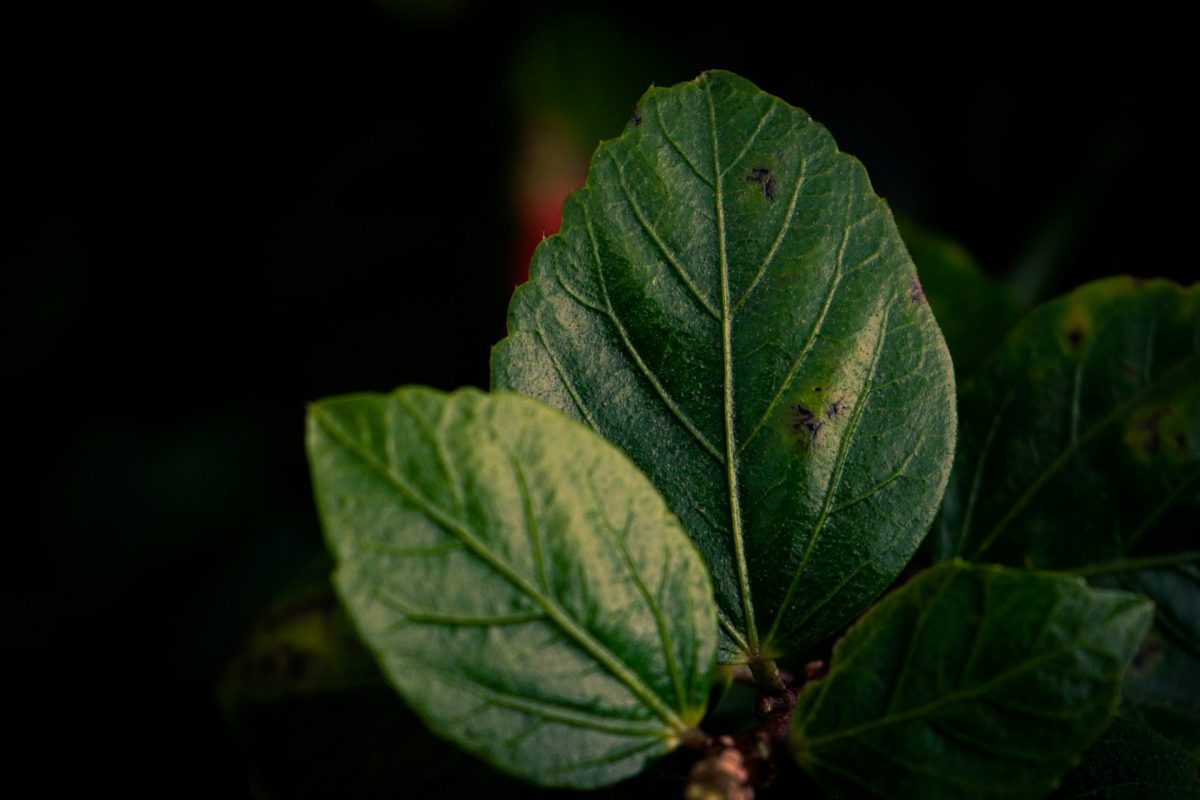
Leaves reveal a lot about plant health, yet many gardeners interpret signs incorrectly. Drooping leaves don’t always mean thirst; they often signal overwatering stress. Yellowing edges, soft stems, or blackened spots typically indicate roots drowning rather than leaves crying out for more moisture. On the flip side, a plant that looks limp due to dehydration responds quickly to water, bouncing back in hours instead of days.
Observing plants carefully—touching soil, noting leaf texture, tracking seasonal patterns—creates an intuitive sense of their needs. This kind of attention beats automatic routines and prevents the slow, silent destruction caused by generous watering schedules. Plants communicate constantly; tuning in prevents mistakes before they become fatal.
The One Simple Habit That Could Save Your Garden
The most effective change in watering strategy is deceptively simple: less water, more observation. Forget rigid schedules. Check soil before every watering. Consider investing in a moisture meter for consistent guidance. Use pots with drainage holes and avoid saucers that trap standing water. Rotate plants if possible so all roots receive adequate airflow.
Resist the temptation to “play it safe” with extra water. Your plants grow stronger under careful restraint, not constant overindulgence. Many experts swear by a technique called “soak and dry”—watering deeply but infrequently, allowing the soil to dry out between sessions. This encourages deep root growth, reduces disease risk, and produces happier, longer-lived plants.
Rethinking Plant Care: Less Is More
We often equate care with action—watering, fertilizing, repositioning—but in gardening, restraint often equals mastery. Overwatered plants rarely recover without drastic intervention, while underwatered plants usually rebound with a single, well-timed drink. Trusting the plant’s cues and adjusting to its environment fosters resilience and beauty. A garden flourishes under understanding, not habit or habit-based guilt.
This mindset shift transforms not only plant health but also the gardener’s experience. Fewer emergencies, less frustration, and a deeper connection to the living ecosystem in your care. It’s a reminder that gardening isn’t about constant action; it’s about timing, observation, and subtle understanding.
Stop Killing Your Plants and Start Thriving
Overwatering kills more plants than neglect. Slow down, check the soil, observe the leaves, and trust the plant’s signals. Create a watering rhythm that matches the plant’s actual needs instead of your assumptions. With patience and attention, plants not only survive—they thrive. Healthy soil, controlled moisture, and smart timing produce strong roots, vibrant leaves, and lush growth that makes the effort worthwhile.
What’s the most surprising watering mistake you’ve learned the hard way? Share your experiences and advice in the comments.
You May Also Like…
Are You Overwatering Plants Before They Even Go Outside?
8 Cold-Weather Watering Mistakes That Cause Winter Rot
The Watering Schedule That Saves Roots — and Prevents Ice Damage
These Monthly Gardening Mistakes Are Killing Spring Yields — And February Is the Worst Offender
9 Ridiculously Easy Plants Every First‑Time Gardener Can Grow

Brandon Marcus is a staff writer for FrugalGardening.com at District Media, Inc., where he delivers practical gardening advice with a relatable, no-nonsense style. An avid amateur gardener, he holds a BA degree and with over ten years of professional writing experience, he is also an award-winning published author whose first book, Questions For Deep Thinkers, was released by Adams Media. His work has appeared in major publications including Fandom.com, CHUD.com, TheColdWire.com, and Fansided.com.
Leave a Reply