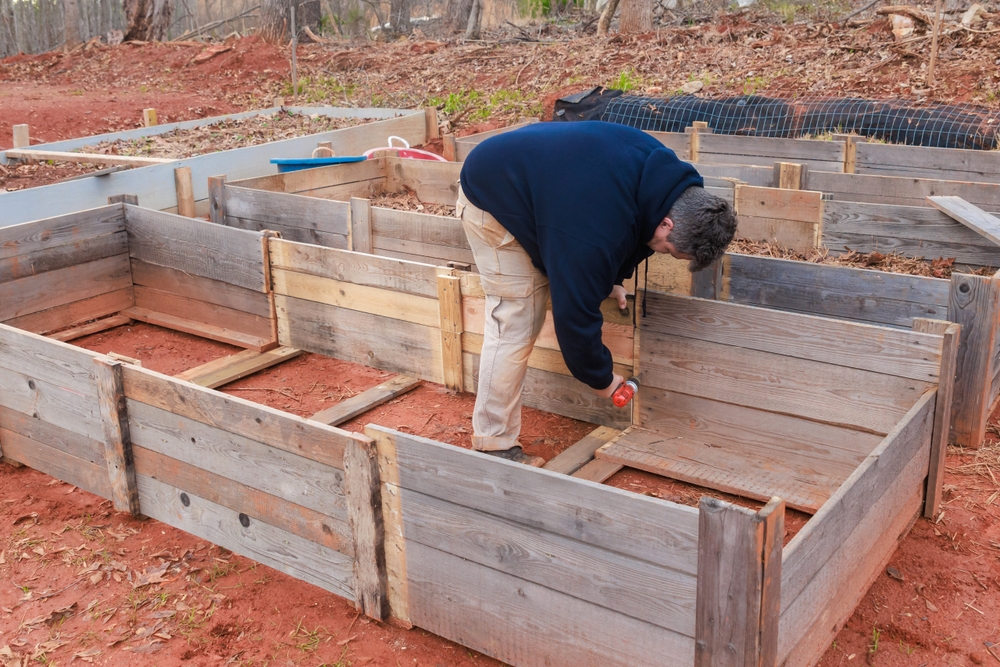
The moment spring whispers your name, the garden answers back with a to-do list that feels both thrilling and mildly intimidating. Beds need help, plants are waiting, and the soil you already have is staring up at you like, “Well? What’s the plan?” Before you rush to the store and wrestle bags of soil into your car, take a breath.
Your garden is already packed with potential, and with a few clever moves, you can turn tired beds into thriving plant palaces using what’s right in front of you. This is where gardening gets scrappy, smart, and surprisingly satisfying.
1. Chop And Drop Organic Matter
One of the simplest ways to revive a garden bed is to work with the plants you already grew. Chop up spent plants, weeds without seeds, and leafy trimmings, then drop them right back onto the soil surface. This organic matter breaks down over time, feeding soil microbes and improving structure without costing a cent. Earthworms adore this approach and will happily drag bits underground for you.
The soil becomes looser, darker, and more alive with every passing week. It’s a little messy at first, but gardens are allowed to look like they’re in pajamas before the big glow-up.
2. Use Compost You Already Have
Compost isn’t just a pile in the corner; it’s garden gold waiting to be used. Even partially finished compost can be spread over beds as a top dressing to add nutrients and improve moisture retention. You don’t need a thick layer to make a difference, either. A few inches worked lightly into the topsoil can wake up tired beds fast. Compost introduces beneficial organisms that help plants access nutrients more easily. Over time, this creates soil that grows better crops year after year with less effort.
3. Loosen Soil Without Digging Deep
Aggressive digging can actually damage soil structure and disrupt beneficial life underground. Instead, use a garden fork or broadfork to gently loosen compacted soil. Push it in, rock it back slightly, and pull it out without flipping the soil layers. This improves airflow and water movement while keeping microbial neighborhoods intact.
Plants respond quickly to this gentler approach with stronger root growth. It’s also easier on your back, which is a win no matter how enthusiastic you are.
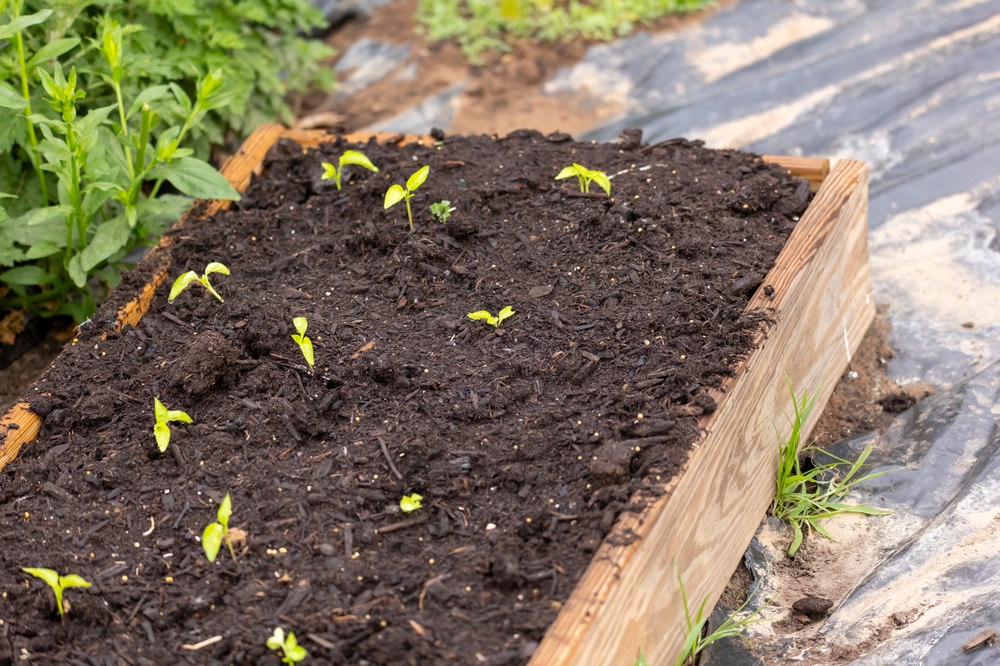
4. Mulch With What You Can Find
Mulch doesn’t have to come in a fancy bag with a price tag. Fallen leaves, straw, grass clippings, and shredded paper all make excellent mulch when used correctly. Spread a thick layer over your beds to protect soil from erosion and temperature swings. Mulch locks in moisture, suppresses weeds, and slowly breaks down into organic matter. The soil underneath stays cooler, richer, and far happier. Plus, turning yard “waste” into mulch feels delightfully rebellious.
5. Grow Cover Crops Between Seasons
Cover crops are like a spa retreat for your soil during downtime. Plants like clover, rye, or peas protect bare beds and add nutrients as they grow. Their roots loosen compacted soil and improve structure naturally. When it’s time to plant again, simply cut them down and let the remains rest on the soil surface. This feeds microorganisms and adds organic matter without hauling in new soil. It’s a long-game strategy that pays off in healthier, more resilient garden beds.
6. Recycle Kitchen Scraps Thoughtfully
Your kitchen produces soil-building material every single day. Vegetable peels, coffee grounds, and crushed eggshells can be composted or buried shallowly in garden beds. As they decompose, they add nutrients and attract beneficial soil life. This method works best when scraps are chopped small and spaced out to avoid pests. Over time, you’ll notice richer soil texture and better moisture retention. It’s deeply satisfying to know last night’s dinner prep is fueling tomorrow’s tomatoes.
7. Improve Drainage With Simple Adjustments
Poor drainage can make soil feel lifeless, even if it’s nutrient-rich. Raised rows, shallow channels, or gentle slopes can help water move where it needs to go. Mixing in coarse organic matter like leaf mold can also improve drainage without replacing soil. These tweaks prevent roots from sitting in soggy conditions that stunt growth. Better drainage means stronger plants and fewer disease issues. Sometimes the fix isn’t new soil, just smarter soil management.
8. Let Time And Biology Do The Heavy Lifting
Soil improvement doesn’t need to be rushed to be effective. By consistently adding organic matter and minimizing disturbance, you allow nature to rebuild soil from the inside out. Microbes, fungi, insects, and plant roots form a living network that improves fertility naturally.
Each season builds on the last, creating soil that holds nutrients and water better every year. This approach rewards patience with long-term results. Gardening becomes less about fixing problems and more about guiding a thriving system.
Your Soil Has More Potential Than You Think
Preparing garden beds without buying new soil isn’t about cutting corners; it’s about working smarter and more creatively. Every leaf, root, and scrap plays a role in building healthier ground beneath your feet. With these techniques, you’re not just growing plants, you’re growing a living foundation that improves over time. Gardens thrive when we trust natural processes and give them a little encouragement.
If you’ve discovered clever ways to revive your garden beds or learned lessons along the way, the comments section below would love to hear about your experiences.
You May Also Like…
Is Composting at Home Still the Cheapest Soil Option?
6 Annuals That Don’t Need Expensive Soil Mixes
11 Sneaky Weeds That Look Innocent Until They Destroy Your Beds
Why Pests Overwinter in Untended Garden Beds
Why Your Raised Beds Might Be Failing in Winter

Brandon Marcus is a staff writer for FrugalGardening.com at District Media, Inc., where he delivers practical gardening advice with a relatable, no-nonsense style. An avid amateur gardener, he holds a BA degree and with over ten years of professional writing experience, he is also an award-winning published author whose first book, Questions For Deep Thinkers, was released by Adams Media. His work has appeared in major publications including Fandom.com, CHUD.com, TheColdWire.com, and Fansided.com.
Leave a Reply