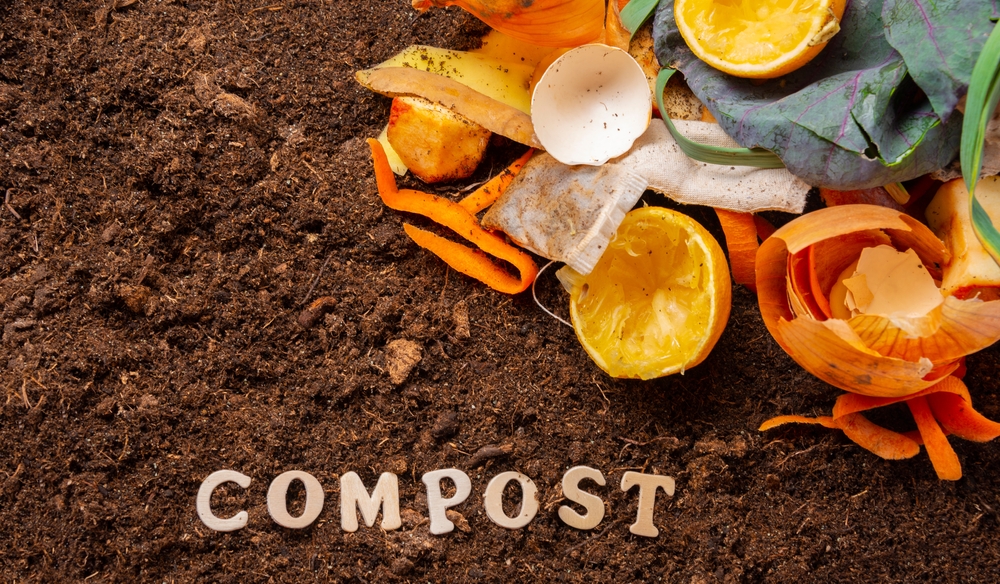
Gardening budgets are under attack, and soil is right on the front lines. Bagged mixes keep getting pricier, social media swears composting is the ultimate money hack, and every banana peel suddenly feels like a financial decision. Home composting sounds delightfully rebellious: turn trash into treasure, save cash, and flex your eco-cred all at once.
Yet beneath the leafy romance lies a real question that matters to anyone with dirt under their nails. Is composting at home still the cheapest soil option, or has the math quietly changed?
The Real Cost Of Store-Bought Soil
Walk into any garden center and you’ll see soil prices climbing faster than summer tomatoes. Premium potting mixes now regularly cost several dollars per bag, especially those labeled organic or enriched. Raised bed blends, seed-starting mixes, and specialty soils add even more to the total.
For large gardens, buying soil can feel like paying rent on dirt. Convenience is the main benefit, but that convenience carries a steadily increasing price tag.
What Home Composting Really Requires
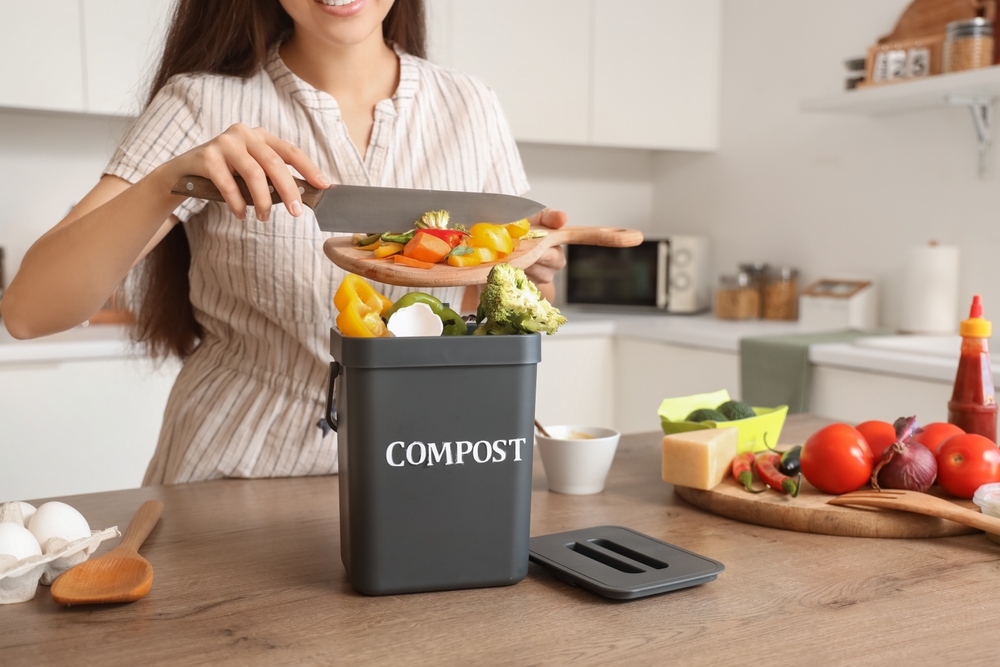
Composting at home is not free, even if it starts with kitchen scraps and yard waste. Bins, tumblers, or wire enclosures cost money upfront unless you build one yourself. Time and attention are required to balance greens and browns, manage moisture, and keep odors away. Urban composters may also need pest-proof containers, which adds to expenses. The process is simple, but it is not effortless or entirely costless.
Money Math From Scraps To Soil
The financial appeal of composting comes from replacing purchased soil amendments with homemade material. Food scraps, leaves, and grass clippings would exist anyway, so their raw cost is effectively zero.
Over time, a healthy compost system can produce hundreds of pounds of usable soil conditioner. Compared to buying equivalent compost or soil, the savings can be significant. The catch is that those savings accumulate slowly rather than instantly.
Time, Labor, And The Hidden Price Tag
Time is a currency many gardeners forget to count. Turning piles, monitoring moisture, and troubleshooting slow decomposition require ongoing effort. For people who enjoy the process, that labor feels rewarding rather than costly. For others, it can feel like unpaid work competing with busy schedules. The true price of composting depends heavily on whether the time spent feels like a hobby or a chore.
Environmental Value Versus Dollar Value
Composting delivers benefits that go far beyond saving money on soil. It reduces landfill waste, lowers methane emissions, and returns nutrients to the local ecosystem. These environmental gains carry real value, even if they don’t show up on a receipt. Buying bagged soil, especially shipped long distances, has a larger carbon footprint. When factoring sustainability into the equation, composting often wins even if the dollar savings are modest.
When Composting Stops Being The Cheapest Option
Composting may lose its financial edge for gardeners who need large volumes of soil quickly. New garden beds, landscaping projects, or container-heavy setups often demand immediate results. In those cases, bulk soil delivery or discounted bagged mixes can be more practical. Compost also works best as an amendment rather than a complete soil replacement. The cheapest option shifts depending on scale, urgency, and available space.
Is Composting At Home The Right Choice For You?
For many gardeners, composting remains one of the most affordable long-term ways to improve soil health. The savings grow steadily over seasons rather than appearing overnight. While it is not entirely free, it often undercuts store-bought options when patience is part of the plan. The added environmental benefits sweeten the deal beyond pure dollars and cents.
If you have composting wins, frustrations, or surprising lessons, dive into the comments below and let the conversation grow.
You May Also Like…
Why Garden Composting in Winter Works Better Than You Think
13 Composting Ideas to Use Holiday Kitchen Waste in Your Garden
Use These 8 Winter Composting Tips for Gardeners
9 Mistakes That Make Home Gardens More Expensive Than Necessary
The Bed-Cleaning Trick That Makes Your Compost Work Twice as Fast

Brandon Marcus is a staff writer for FrugalGardening.com at District Media, Inc., where he delivers practical gardening advice with a relatable, no-nonsense style. An avid amateur gardener, he holds a BA degree and with over ten years of professional writing experience, he is also an award-winning published author whose first book, Questions For Deep Thinkers, was released by Adams Media. His work has appeared in major publications including Fandom.com, CHUD.com, TheColdWire.com, and Fansided.com.
Leave a Reply