Gardening shouldn’t feel like a high-stakes game of Monopoly where the board is your backyard and the rules are “buy the fanciest soil or fail.” Some plants thrive without fancy soil, miracle fertilizers, or Instagram-worthy green thumbs. Imagine vibrant blooms popping up in ordinary garden dirt, laughing in the face of overcomplicated horticulture advice.
Whether you’re a budget-conscious gardener or just someone who loves seeing color explode without fuss, certain annuals are practically built to survive—and thrive—on simplicity. Let’s talk about six annuals that prove you don’t need a wallet-busting soil mix to have a jaw-dropping garden.
1. Marigolds: The Classic Budget-Friendly Showstopper
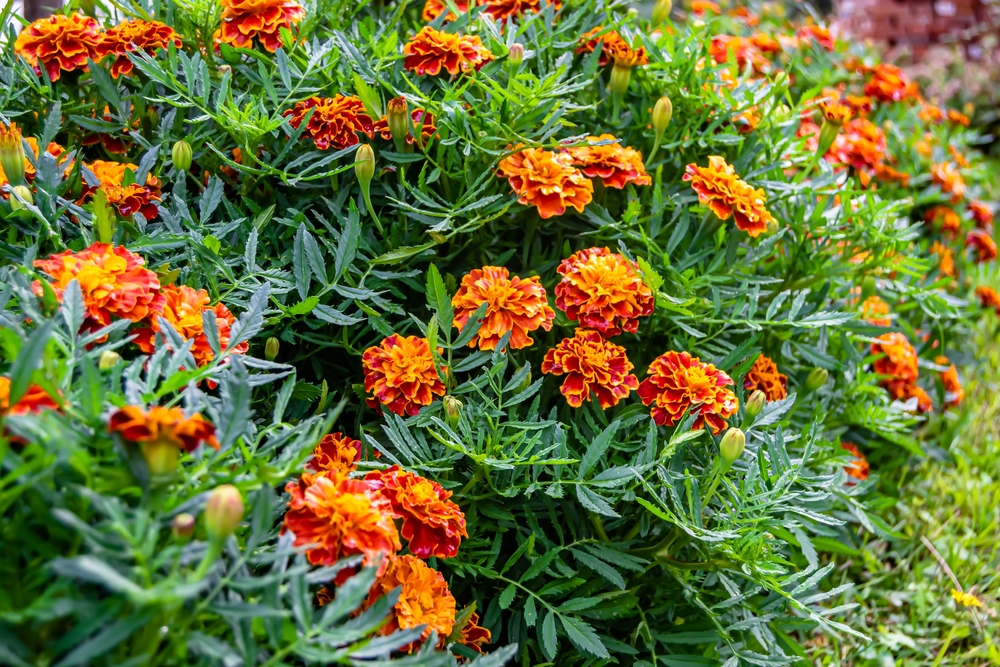
Marigolds are like the extroverts of the garden world—they shine brightly and demand attention without asking for much. These resilient annuals are practically immune to finicky soil conditions, thriving in anything from sandy dirt to clay-heavy patches. They bloom in vivid oranges, yellows, and reds, making them a cheerful addition to borders, containers, and window boxes. Marigolds also repel pests, which means less worry about bugs munching on your other plants. Even novice gardeners can toss some seeds in the ground and enjoy a season full of color.
2. Zinnias: Low-Maintenance Color Machines
Zinnias are the ultimate “plant it and forget it” flowers that reward you with a riot of color. They don’t demand rich, fluffy soil; they’ll happily grow in average garden dirt as long as it drains reasonably well. These annuals are perfect for cutting gardens because their sturdy stems hold up beautifully in bouquets. Zinnias also attract pollinators like butterflies and bees, turning your garden into a buzzing little paradise. Once you see those first bright blooms, you’ll wonder why anyone spends hundreds on soil amendments.
3. Sunflowers: Tall, Tough, and Terrific
Sunflowers aren’t just for Instagram-worthy photos—they’re champions of low-effort gardening. These giants don’t need elaborate soil blends; they’ll grow happily in regular dirt with some sunlight and water. Sunflowers follow the sun, adding movement and life to your garden in addition to cheerful yellow blooms. Birds adore the seeds, so you get natural garden visitors without extra effort. Even if your soil isn’t perfect, sunflowers often reach impressive heights and provide a dramatic backdrop for other plants.
4. Nasturtiums: Edible Beauty On A Budget
Nasturtiums are nature’s proof that edible and beautiful can coexist effortlessly. They tolerate poor soil with aplomb, preferring it slightly lean rather than nutrient-rich, which also helps boost flower production. Their vibrant orange, red, and yellow blossoms can be sprinkled into salads or used as garnishes for a fun culinary twist. Nasturtiums also act as natural pest traps, luring aphids away from other plants. With minimal care and zero fancy soil, they turn any garden corner into a living piece of art.
5. Cosmos: Airy Elegance Without Extra Cost
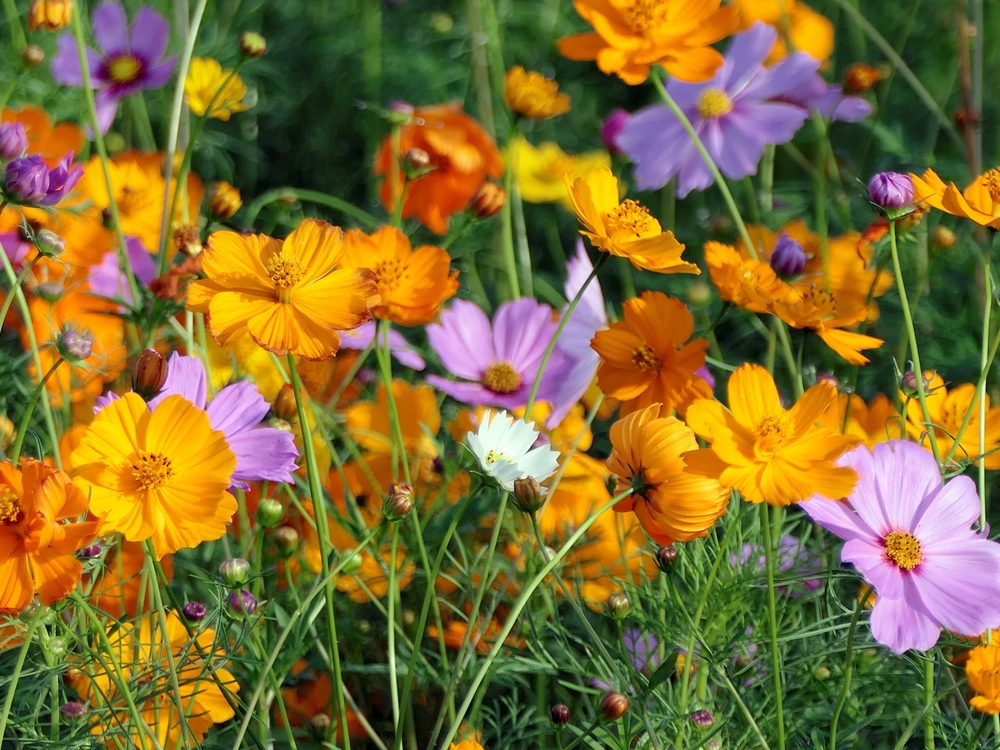
Cosmos are airy, delicate-looking plants that actually thrive on simplicity. They require little more than regular soil and sunlight to produce abundant pink, white, or purple flowers all season. These annuals grow tall and slightly wild, creating a natural meadow effect without meticulous tending. Cosmos attract pollinators, adding life and movement to your garden ecosystem. They’re perfect for gardeners who love effortless elegance without the expensive soil drama.
6. Calendulas: Cheerful, Hardy, and Cost-Conscious
Calendulas are cheerful little warriors in the world of annuals, thriving in ordinary soil where other plants might sulk. Their bright yellow and orange blooms are like little suns scattered across your garden beds. Calendulas also have edible petals and are known for medicinal properties, doubling their value beyond visual appeal. They’re easy to grow from seed and don’t demand constant fertilization or pricey soil mixes. Plant a few, water occasionally, and enjoy a low-maintenance burst of sunshine all season long.
Simple Soil, Stunning Results
Gardening doesn’t have to drain your wallet to delight your senses. These six annuals—marigolds, zinnias, sunflowers, nasturtiums, cosmos, and calendulas—prove that ordinary soil can still yield extraordinary beauty. You can enjoy vibrant color, pollinator visitors, and even edible petals without complicated soil mixes. Every garden has the potential to be a personal paradise, and sometimes the simplest approach is the most rewarding.
If you’ve tried any of these hardy annuals or have your own low-maintenance favorites, drop your thoughts or stories in the comments section below.
You May Also Like…
Are Winter Annuals Really Worth Your Time?
10 Containers You Can Use to Grow Winter Annuals
9 Gardening Supplies You Should Buy Before Spring Prices Rise
Why You Should Rethink Tilling Your Soil This Year
Does Your Garden Have the Right Soil Mix for Winter Planting?

Brandon Marcus is a staff writer for FrugalGardening.com at District Media, Inc., where he delivers practical gardening advice with a relatable, no-nonsense style. An avid amateur gardener, he holds a BA degree and with over ten years of professional writing experience, he is also an award-winning published author whose first book, Questions For Deep Thinkers, was released by Adams Media. His work has appeared in major publications including Fandom.com, CHUD.com, TheColdWire.com, and Fansided.com.
Leave a Reply