It starts as a harmless-looking patch of green when everything else in your yard is brown and sleepy. A few weeks later, those patches explode into a mat of leafy stems topped with tiny purple flowers, and suddenly your lawn looks like it joined the wrong garden club. Across Georgia, homeowners are spotting the same culprit again and again, wondering how it took over so quickly and why it seems immune to cold weather.
This winter weed is bold, opportunistic, and surprisingly tough—but it’s not unstoppable. With the right knowledge and a few natural strategies, you can put the brakes on its takeover and reclaim your yard.
What This Winter Weed Really Is
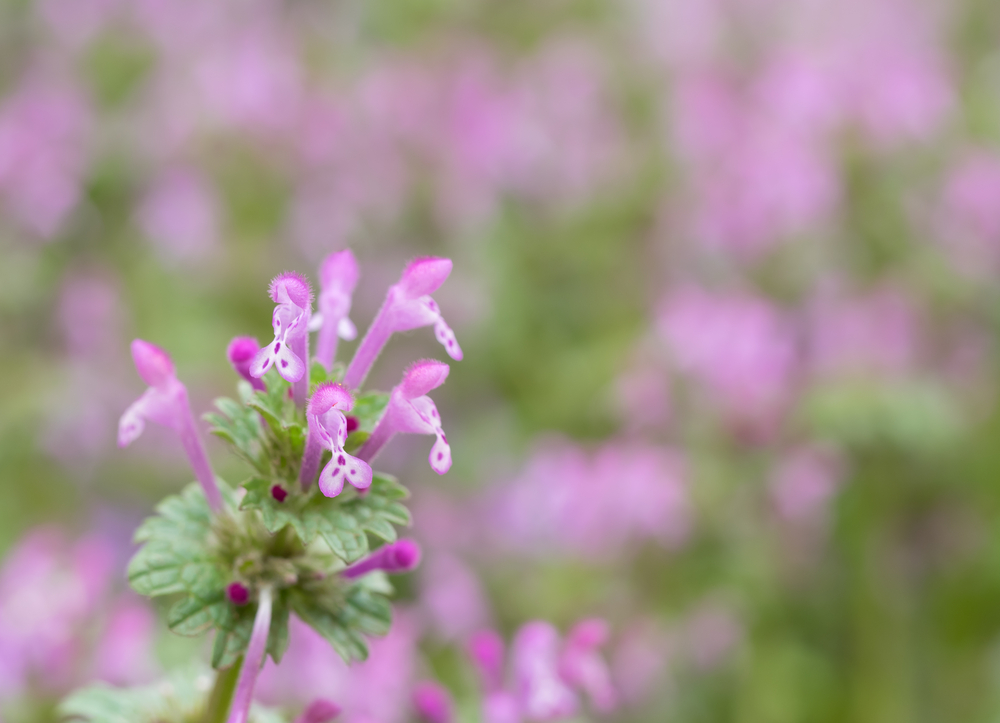
The weed spreading through Georgia lawns is most often henbit, a winter annual in the mint family that thrives during cool weather. Henbit germinates in the fall, survives winter with ease, and bursts into rapid growth as days start to lengthen. Its rounded, scalloped leaves stack along square stems, and its small purple flowers bloom from late winter into early spring.
Because it flowers early, it provides pollen for bees when little else is available, which sometimes earns it a reluctant pass from gardeners. Still, henbit spreads aggressively by seed and forms dense patches that crowd out turfgrass and desirable plants. Once those seeds drop, the cycle is already set for next year. That’s why early recognition matters more than brute-force removal.
Why Georgia Lawns Are Seeing So Much Of It
Georgia’s mild winters are practically an open invitation for henbit to thrive. Unlike colder regions where winter weeds struggle, Georgia often experiences long stretches of cool but not freezing weather. That gives henbit plenty of time to grow while turfgrass remains dormant. Thin lawns, compacted soil, and bare patches create the perfect landing zones for its seeds. Add in warm spells during winter, and henbit gets growth spurts while homeowners assume their lawns are on pause. Increased rainfall during fall and winter also helps seeds germinate quickly. The result is a weed that feels like it showed up overnight but was actually planning its takeover months in advance.
How To Spot It Before It Takes Over
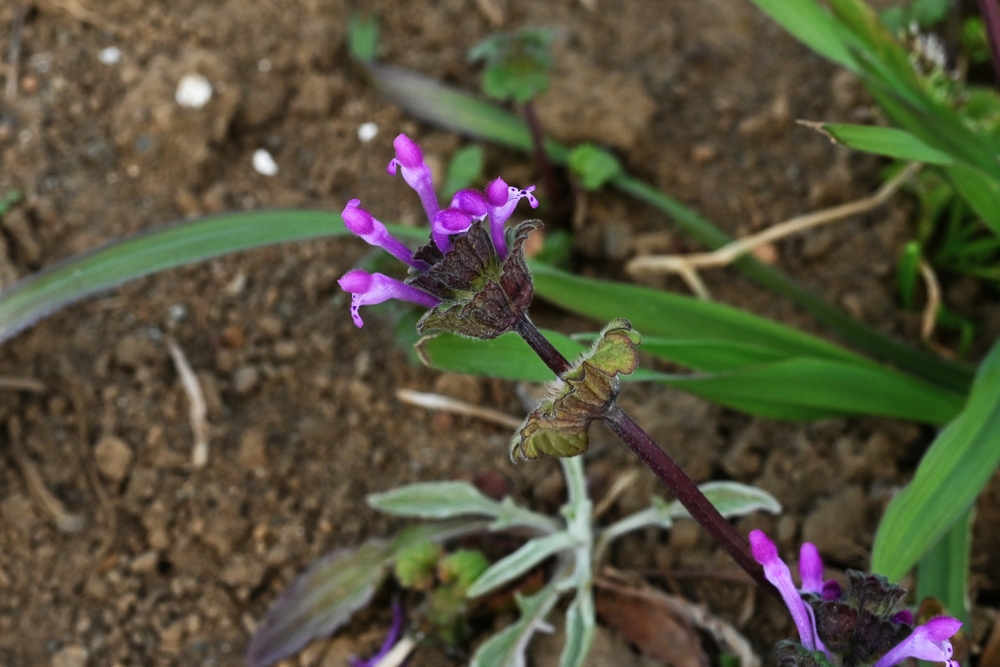
Early detection makes controlling henbit much easier and far less frustrating. In late fall or early winter, look for low-growing green patches that appear before most other plants wake up. The leaves are soft, rounded, and arranged in pairs that clasp the stem, giving it a layered look. As winter progresses, the plant grows taller and more noticeable, especially once purple flowers appear. Those flowers are a clear signal that seed production is already underway. If you wait until this stage, removal becomes a race against time. Catching henbit early lets you stop it before it spreads its next generation across your lawn.
Natural Ways To Stop It Without Chemicals
Hand-pulling is one of the most effective natural methods, especially when the soil is moist and roots come up easily. Pulling before flowers fully develop prevents seeds from forming and reduces future infestations. Regular mowing during late winter can also help by removing flowers before they mature, though mowing alone won’t kill established plants. Mulching garden beds with a thick layer of organic material blocks sunlight and prevents henbit seeds from germinating. Improving soil health plays a big role too, since dense, healthy turf leaves little room for weeds to move in. Overseeding thin areas with appropriate grass varieties helps crowd henbit out naturally. Some gardeners use natural pre-emergent products like corn gluten meal in early fall, though results vary and timing is critical for effectiveness.
How To Prevent The Next Winter Invasion
The best defense against henbit starts months before winter arrives. Fall lawn care is crucial, because that’s when henbit seeds are most likely to germinate. Aerating compacted soil improves grass root growth and reduces open space for weeds.
Keeping your lawn properly fertilized strengthens turf so it can compete more effectively. Avoid scalping your lawn late in the season, since short grass exposes soil and invites weeds. Address drainage issues that leave areas consistently damp, as henbit loves moist conditions. When lawns go into winter thick and healthy, henbit has far fewer opportunities to gain a foothold.
A Smarter Way To Think About Winter Weeds
Henbit’s success isn’t about being unstoppable—it’s about being early and opportunistic. Understanding its life cycle changes how you approach control and prevention. Instead of reacting in spring, smart lawn care focuses on fall and winter habits. Natural methods work best when they’re layered together and used consistently. A healthy lawn isn’t just about looks; it’s a living system that resists invasion when properly cared for. Once you break henbit’s cycle, its dramatic winter takeover becomes far less common. That’s a win not just for your lawn, but for your sanity.
Take Back Your Winter Lawn
Henbit may be spreading fast across Georgia, but homeowners still have the upper hand with the right approach. Recognizing it early, acting before seeds drop, and strengthening your lawn naturally can make a noticeable difference year after year. Every yard tells a slightly different story, shaped by soil, weather, and care routines.
If you’ve battled this winter weed or found creative natural solutions that worked for you, jump into the comments section below and add your voice to the conversation. Your experience might be exactly what another frustrated lawn owner needs to hear.
You May Also Like…
The Winter Vegetable Garden Hack That Southern Gardeners Swear By
10 Backyard “Warm Spots” Where Plants Survive the Coldest Nights
9 Reasons Your Raised Beds Drain Worse in Winter and the Fix
10 Winter Weeds That Start Early and How to Stop Them
Here Are The 5 Most Aggressive Weeds During Winter

Brandon Marcus is a staff writer for FrugalGardening.com at District Media, Inc., where he delivers practical gardening advice with a relatable, no-nonsense style. An avid amateur gardener, he holds a BA degree and with over ten years of professional writing experience, he is also an award-winning published author whose first book, Questions For Deep Thinkers, was released by Adams Media. His work has appeared in major publications including Fandom.com, CHUD.com, TheColdWire.com, and Fansided.com.
Leave a Reply