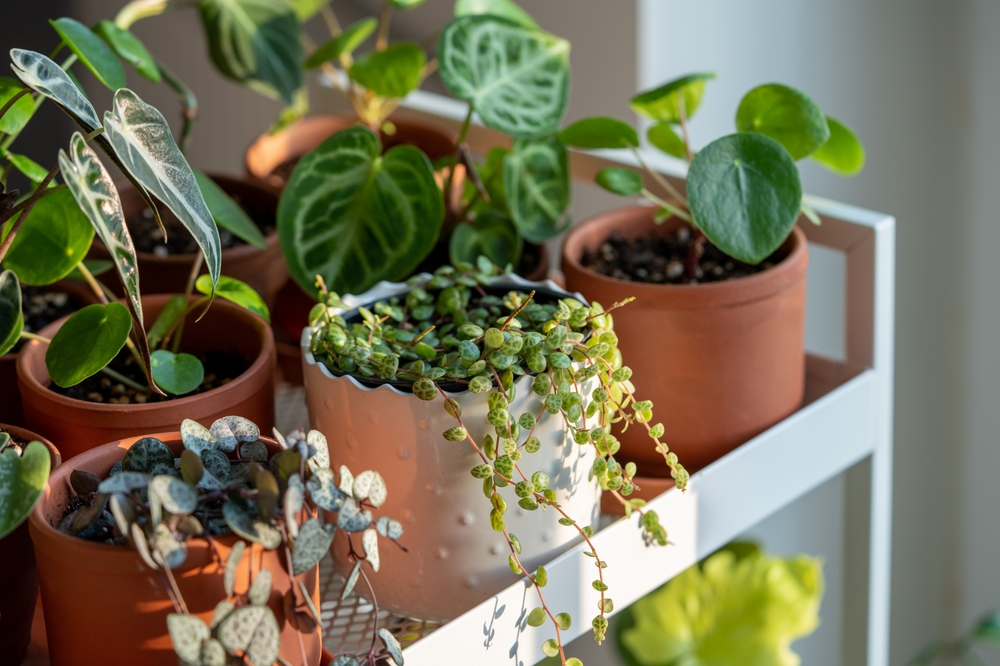
Step into 2026, and indoor gardening is exploding into every living room, apartment, and urban loft across the globe. People aren’t just growing a few herbs on the windowsill anymore—they’re creating mini jungles with LED lights, hydroponic towers, and smart watering systems that sound like they belong in a sci-fi movie. The trend is thriving because indoor gardening mixes practicality, wellness, and a splash of style all in one leafy package. But here’s the kicker: while enthusiasm is high, many setups are quietly hemorrhaging money.
Some gardeners are spending hundreds—sometimes thousands—on systems and gadgets that either underperform or aren’t necessary at all. If you want to grow plants without throwing your hard-earned cash into the compost, you need to know which setups are worth it and which ones are secretly draining your wallet.
1. Overcomplicated Hydroponic Towers That Never Reach Their Potential
Hydroponic towers look futuristic, almost like something out of a sci-fi movie, and it’s easy to see why they’re popular. The idea is brilliant: vertical systems that let you grow dozens of plants using water instead of soil. But here’s the problem—many commercially sold towers are overengineered, underpowered, or difficult to maintain.
The pumps are often weak, the water reservoirs too small, and the nutrient distribution inconsistent, meaning your leafy greens might get half the nutrition they need. Maintenance can become a daily grind, and replacement parts aren’t cheap.
2. Overpriced LED Grow Lights That Burn Your Budget
LED grow lights have revolutionized indoor gardening, letting you control light spectrum and intensity in ways sunlight never could. But the market is flooded with lights that look high-tech but don’t deliver proportional growth. Many “premium” options charge upwards of $400 to $600, promising magical growth results that barely outperform a $100 setup.
The truth is, light coverage and efficiency matter far more than flashy features. Wasted wattage, improper height, or uneven distribution can stunt growth, meaning you’re spending a fortune for underwhelming yields. Smart gardeners in 2026 are learning to focus on lumens per watt and the specific needs of each plant rather than buying lights with giant marketing stickers.
Sometimes, a smaller, well-positioned fixture will outperform a massive, expensive tower, and your plants—and your wallet—will thank you.
3. Excessively Large Indoor Planters That Suck Up Space And Money
Giant planters are tempting. They look impressive, promise room for massive root systems, and make your indoor garden feel like a lush jungle. But bigger is not always better. Oversized pots require excessive soil, which adds significant upfront cost, and can make watering and nutrient delivery tricky. Too much soil can trap water, cause root rot, and encourage pests, effectively wasting your investment. Plus, moving these behemoths is a workout, and they often dominate space in ways that make your apartment feel cluttered instead of serene.
For most indoor plants, appropriately sized containers—slightly larger than the root ball—are all that’s needed. They conserve soil, reduce water waste, and allow for easier management, saving both money and frustration while still keeping your plants healthy and thriving.
4. Fancy Smart Gardening Systems That Overpromise And Underperform
Smart indoor gardening gadgets promise to do everything for you: automatic watering, light adjustments, nutrient dosing, and even app notifications when your basil is thirsty. It sounds amazing, but reality often doesn’t match marketing. Many systems are prone to software glitches, misread soil moisture, or simply fail to calibrate nutrients correctly, leaving plants stressed or underfed. They are also expensive upfront, sometimes costing hundreds of dollars more than traditional setups that achieve similar results with manual care.
While automation can be helpful, over-reliance on a gadget that doesn’t perform perfectly can lead to wasted money and disappointing growth. A hybrid approach—smart tools for certain tasks paired with hands-on monitoring—tends to be the most effective and budget-conscious.
Keep Growing Without Wasting
Indoor gardening in 2026 is more exciting and accessible than ever, but spending wisely is crucial. Overcomplicated hydroponic towers, overpriced LED lights, oversized planters, and overhyped smart systems are all common pitfalls that can drain your budget without delivering better results. Thoughtful planning, understanding your plants’ real needs, and choosing tools that genuinely enhance growth are far more effective than chasing the latest flashy setup.
If you’ve tried any of these setups—or stumbled across other money-wasting gadgets—let us know your experiences in the comments section below. How do you manage your indoor garden without breaking the bank?
You May Also Like…
12 Bulbs You Can Force Indoors for Blooms Before Valentine’s Day
Is Starting Seeds Indoors in Winter Really Worth the Cost?
Why Indoor Gardening Is Trending in Cold-Climate Homes
7 Container Gardens You Can Move Indoors for Winter Success
Do Holiday Plants Belong in Your Outdoor Garden or Just Indoors?

Brandon Marcus is a staff writer for FrugalGardening.com at District Media, Inc., where he delivers practical gardening advice with a relatable, no-nonsense style. An avid amateur gardener, he holds a BA degree and with over ten years of professional writing experience, he is also an award-winning published author whose first book, Questions For Deep Thinkers, was released by Adams Media. His work has appeared in major publications including Fandom.com, CHUD.com, TheColdWire.com, and Fansided.com.
Leave a Reply