
Winter has a personality all its own. It can blanket the world in a sparkling coat of white, turning mundane landscapes into frozen wonderlands, while hiding secrets beneath the surface. But snow isn’t just a pretty decoration—it’s a complex player in the soil game. That frozen fluff has the power to protect the ground beneath it, but under certain circumstances, it can also cause serious trouble.
Whether you’re a backyard gardener, a farmer, or someone who simply marvels at the mysteries of nature, understanding how snow interacts with soil is like discovering a hidden winter superpower.
1. Snow Acts As A Natural Insulator
Snow might look delicate, but it’s an incredible thermal blanket. When snow piles up over soil, it traps air between its flakes, creating insulation that protects the ground from extreme cold. This insulation keeps the soil temperature more stable, preventing the roots of plants from freezing. For gardeners and farmers, this is crucial because plants that survive the winter underground rely on soil that doesn’t swing from freezing to thawing too drastically. Without a snow blanket, frost can penetrate deeply, damaging roots and even killing perennials.
The depth of snow matters too—just a thin layer won’t protect much, but a thick, fluffy cover can keep soil temperatures significantly higher. Think of it as nature’s way of giving your soil a cozy winter coat.
2. Moisture Regulation During Winter
When snow melts slowly, it seeps into the soil, providing a steady supply of moisture. Unlike heavy rainstorms that can wash away nutrients, slow-melting snow allows the soil to absorb water gradually. This prevents erosion and helps recharge groundwater reserves, which is especially important in regions with dry winters. Snow also acts as a reservoir for plants, ensuring that they don’t wake up in spring parched and stressed. On the other hand, if the snow melts too quickly, it can cause waterlogging and nutrient runoff, so timing is everything. Nature’s version of controlled irrigation comes courtesy of a well-timed thaw.
3. Protecting Soil From Frost Heaving
Frost heaving occurs when the soil freezes and thaws repeatedly, causing roots and even small plants to get pushed upward or damaged. Snow cover dramatically reduces the frequency of these freeze-thaw cycles. The insulating properties of snow keep the soil temperature more constant, preventing the dramatic expansion and contraction that wreaks havoc underground. This means perennials, bulbs, and even young trees have a better chance of surviving harsh winters. In essence, a cozy snow blanket can stop the soil from tossing its underground treasures around like a blender on high.
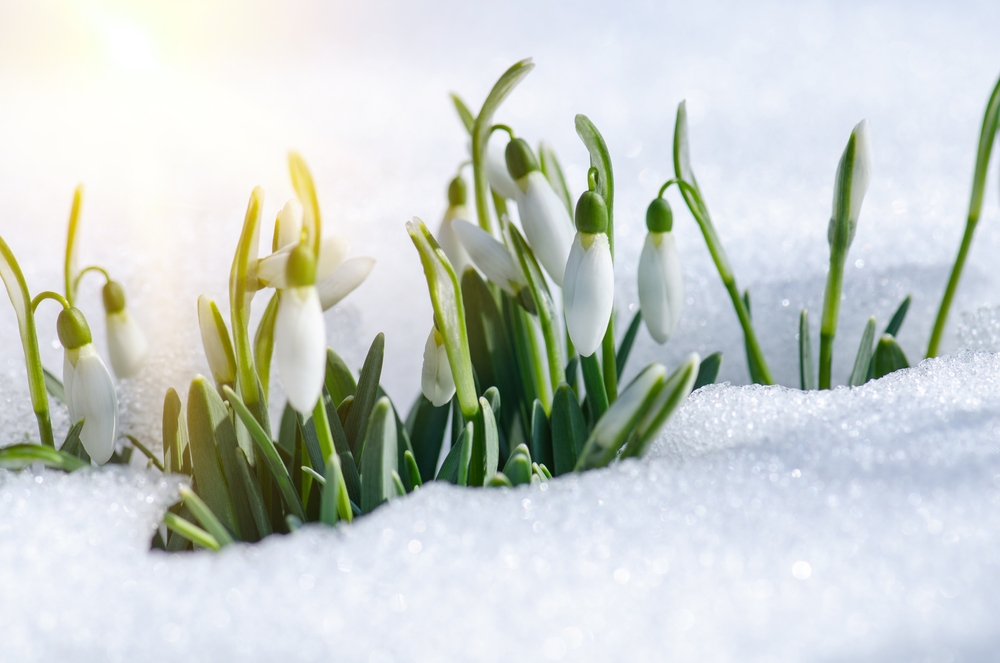
4. Limiting Soil Erosion
When the wind sweeps over bare winter fields, soil can be eroded away before spring planting begins. Snow, when it sticks around, protects the soil from wind and rain erosion. Even after melting, the remnants of snow help slow runoff, giving the soil a chance to absorb water instead of being carried away. This is critical for farmers who need topsoil intact, as losing even a few centimeters of nutrient-rich soil can impact crop yields. The presence of snow also encourages tiny ice barriers that prevent soil particles from being blown or washed away. It’s a winter armor for your earth, subtle but powerful.
5. Adding Nutrients Through Snowmelt
Believe it or not, snow can indirectly feed your soil. As snow collects in the atmosphere and falls, it captures dust, minerals, and nitrogen from the air. When it melts, those tiny nutrients are released into the soil, giving plants a natural boost in early spring. This nitrogen deposition is especially valuable in areas where soil fertility is low, essentially giving the earth a mild, slow-release fertilizer. While it’s not a substitute for comprehensive soil management, it’s a small but meaningful benefit of winter’s frozen blanket.
6. Protecting Soil Microbes
Soil isn’t just dirt; it’s a bustling metropolis of microbes crucial for plant health. Extreme cold can kill or inactivate these microscopic workers. Snow cover insulates the soil, allowing microbial life to remain active—or at least safe—through the winter months. When spring arrives, these microbes are ready to jump back into action, decomposing organic matter and enriching the soil. Without snow, many of these tiny life forms could perish, delaying soil recovery and nutrient cycling. A silent army thrives beneath the white surface, quietly preparing for warmer days.
7. Causing Compaction With Heavy Snow
Not all snow is gentle. Wet, heavy snow can compress the soil beneath, making it dense and less airy. Compacted soil has reduced drainage, limited root penetration, and restricted microbial activity. While snow is usually fluffy, ice storms or snow that melts and refreezes repeatedly can form a hard crust, causing long-term issues. In extreme cases, compaction might require manual aeration in spring to restore soil health. This is one way snow can shift from helpful to problematic, reminding us that winter’s gifts sometimes come with strings attached.
8. Promoting Ice Damage To Roots
Deep, prolonged snow cover can sometimes cause soil temperatures to remain just above freezing for too long. When a sudden thaw occurs followed by a hard freeze, the ground can form ice layers that damage plant roots. This is particularly a problem for shallow-rooted plants or orchards. Ice sheeting can suffocate roots, reduce oxygen availability, and even kill young plants outright. Understanding the local climate and snow patterns helps anticipate these risks and protect sensitive crops. Nature isn’t cruel intentionally, but it certainly has a tricky side.
9. Contributing To Soil Acidification
Snow collects pollutants from the air, including sulfur and nitrogen compounds. When it melts, it can slightly acidify the soil, which might be harmful to plants sensitive to pH changes. Over time, repeated acid deposition can shift soil chemistry enough to require adjustment or liming. This effect is most notable near urban areas or industrial zones, where snowfall can carry higher pollutant loads. Even in rural areas, though, acidic snow can subtly influence soil composition. A fascinating reminder that snow is never purely innocent—it interacts with the environment in complex ways.
10. Encouraging Pest Suppression
Some pests can’t survive under prolonged snow cover because they are exposed to extreme cold without shelter. Snow acts as a natural pest barrier, limiting insect survival during winter. This can reduce early-season infestations, helping gardeners and farmers avoid chemical treatments in spring. On the flip side, some pests that overwinter in soil may find refuge beneath snow, protected from deadly freezes. Snow’s impact on pests is a nuanced dance, sometimes helping, sometimes hindering, depending on the critter.
11. Reducing Soil Crusting And Erosion
When snow melts slowly, it prevents the formation of hard crusts on the soil surface that can occur during rain-on-snow events. These crusts make it difficult for water to penetrate the soil in spring and can prevent seedlings from emerging properly. By acting as a slow-release water layer, snow helps the soil absorb moisture gradually, maintaining its structure and porosity. In contrast, rapid snowmelt or ice storms can actually worsen crusting, showing that timing and snow type are critical factors in soil health.
12. Influencing Soil Temperature In Spring
Snow doesn’t just matter in winter—it sets the stage for spring. The timing of snowmelt affects how quickly the soil warms and becomes workable for planting. Late snow can delay planting schedules, while early snowmelt can promote faster soil warming but might also lead to erosion. Understanding snow’s role in temperature regulation helps farmers and gardeners plan for optimal soil conditions. Soil under a carefully timed snow blanket emerges from winter ready to support a new season of growth.
Your Thoughts On Snow And Soil
Snow is a master of contradictions. It insulates yet compresses, nourishes yet acidifies, protects yet sometimes harms. The intricate relationship between snow and soil shows how delicate and interconnected our environment truly is.
If you’ve noticed unusual soil behavior after a snowy winter or have observed how snow affected your garden or fields, we’d love to hear about your experiences in the comments below. Let’s celebrate the mysteries and lessons winter has to offer.
You May Also Like…
Could Snow Be the Best Mulch Your Garden Gets All Year?
14 Garden Tasks to Do Before the First Snow Flurry
How To Keep Your Garden Tools Organized When Snow Hits
6 Garden Journal Prompts to Prepare for Spring While It’s Snowing
8 Winter Garden Paving & Path Ideas for Snowy Landscapes

Brandon Marcus is a staff writer for FrugalGardening.com at District Media, Inc., where he delivers practical gardening advice with a relatable, no-nonsense style. An avid amateur gardener, he holds a BA degree and with over ten years of professional writing experience, he is also an award-winning published author whose first book, Questions For Deep Thinkers, was released by Adams Media. His work has appeared in major publications including Fandom.com, CHUD.com, TheColdWire.com, and Fansided.com.
Leave a Reply