
There’s a certain thrill in thinking about how small actions can create massive results. Imagine a single, everyday task in your yard that can quietly transform your home from “easy target” to “don’t even bother” in the eyes of a would-be thief. It doesn’t involve cameras, alarms, or intimidating signs. Instead, it’s one of those simple, almost mundane chores that many homeowners skip over, yet it works silently and powerfully.
If you’ve been looking for a way to boost your home’s security without remodeling your life, this is the secret weapon hiding in plain sight.
The Power Of A Well-Maintained Lawn
A lush, well-kept lawn signals more than just pride in your property; it’s a statement of occupancy and vigilance. Burglars often look for signs that a home is unattended, and a patchy, overgrown yard screams “no one is watching.” Keeping your grass mowed, edges trimmed, and plants pruned sends a message that someone is paying attention. It’s the same reason why an empty, unkempt house draws unwanted attention—disorder creates opportunity.
Beyond deterring thieves, regular lawn maintenance also improves the overall appearance of your home, making it more inviting for neighbors and friends. Even the simple act of mowing the lawn at predictable times reinforces a sense of presence, a subtle but effective deterrent. In other words, a well-maintained yard isn’t just attractive—it’s a silent security system.
Trim Bushes And Shrubs To Reduce Hiding Spots
Overgrown bushes and shrubs aren’t just a gardening headache—they’re potential hideouts for intruders. Thick, untrimmed foliage near windows or doors gives criminals cover and time to plan a break-in unnoticed. By keeping bushes low and ensuring clear sightlines from the street, you reduce these risks dramatically. Landscape design experts often emphasize the concept of “defensible space,” which includes eliminating hiding spots around your home.
Low shrubs, neat hedges, and strategically placed plants create natural visibility that discourages lurking. This doesn’t mean you have to sacrifice beauty—ornamental plants can be arranged to complement your home while keeping it safe. Every snip of the shears can be a small, satisfying step toward making your property less appealing to the wrong eyes.
Illuminate Your Yard Strategically
Lighting isn’t just about aesthetics; it’s a critical layer of security that many homeowners underestimate. Dark corners, pathways, and entries invite trouble, while well-placed lights tell intruders that someone is awake and alert. Motion-sensor lights are particularly effective because they trigger suddenly, often startling a potential burglar and drawing attention. Solar lights along pathways and near landscaping can illuminate key areas without racking up your electricity bill.
The key is balance—overly harsh lighting can be just as problematic as darkness, creating shadows that offer unexpected hiding spots. A bright, thoughtful yard is not just charming; it’s a statement that your home is watched, cared for, and ready.
Maintain Driveways And Walkways
It might sound trivial, but keeping driveways, walkways, and entry paths in top shape can have a significant impact on home security. Cracked concrete, overgrown weeds, or cluttered paths are subtle signals that the property may be neglected. Burglars often interpret neglected exteriors as signs that the home isn’t closely monitored. By keeping pathways clean, clear, and well-lit, you establish an environment that communicates alertness.
Even small touches like adding potted plants, regular sweeping, or minor repairs show that the home is actively maintained. It’s an overlooked tactic, but consistent attention to these details can create a psychological barrier for intruders before they even approach your door.
Install Natural Barriers That Look Beautiful
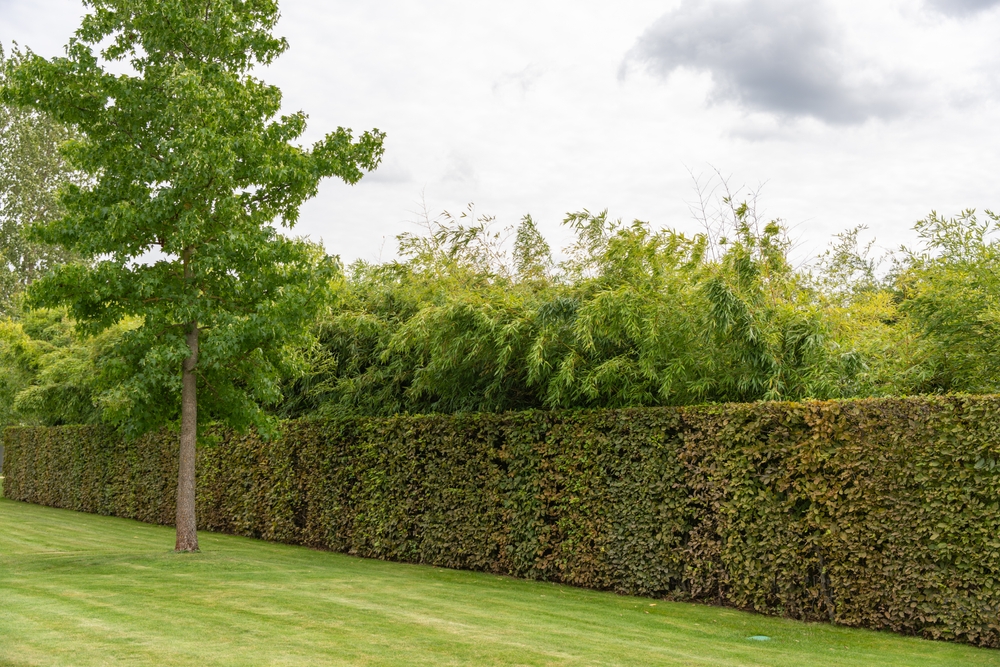
Landscaping can be both decorative and defensive. Thorny bushes, dense hedges, or strategically placed trees can create physical obstacles without looking like a fortress. Plants such as holly, berberis, and hawthorn are not only visually appealing but can discourage anyone from getting too close to windows or fences. This approach combines security with curb appeal, proving that safety doesn’t have to come at the expense of beauty.
The trick is to use these natural barriers wisely, ensuring they enhance visibility rather than create new hiding spots. With thoughtful planning, your yard becomes a blend of style and safety, keeping potential intruders at bay while delighting the eye.
Consistency Is Key For Long-Term Protection
A one-time effort won’t cut it—security through yard work is about consistency. Overgrown lawns or untrimmed bushes only need a few weeks to undo months of good work. Establish a schedule for mowing, trimming, and lighting checks, making these tasks as routine as watering plants or taking out the trash.
Regular attention reinforces the appearance that your home is occupied and cared for. Neighbors will notice, and even wildlife benefits from a tidy yard. Most importantly, potential burglars will see a property that’s too well-kept to target easily. Consistency transforms a simple yard task into a powerful, ongoing deterrent.
Turn Your Yard Into A Silent Protector
Your yard is more than grass, flowers, and trees—it’s a first line of defense against intruders. Simple, consistent actions like mowing, trimming, and thoughtful landscaping make your home less appealing to thieves, all while boosting curb appeal and neighborhood pride. By embracing these often-overlooked tasks, you’re creating a living security system that operates quietly but effectively.
Have you tried any of these strategies in your own yard? Or maybe you have other clever tips for keeping your home safe using landscaping and maintenance? Drop your thoughts and experiences in the comments.
You May Also Like…
Why You Should Be Planting Bulbs in December, Not Spring
5 Plants That Could Be Illegal to Grow in Your Backyard This Spring—Check Your State List
10 Backyard “Warm Spots” Where Plants Survive the Coldest Nights
Soil Test Warning: What North Carolina Gardeners Are Finding in Their Yards This January
How to Protect Root Crops From Hungry Rodents

Brandon Marcus is a staff writer for FrugalGardening.com at District Media, Inc., where he delivers practical gardening advice with a relatable, no-nonsense style. An avid amateur gardener, he holds a BA degree and with over ten years of professional writing experience, he is also an award-winning published author whose first book, Questions For Deep Thinkers, was released by Adams Media. His work has appeared in major publications including Fandom.com, CHUD.com, TheColdWire.com, and Fansided.com.
Leave a Reply