Spring gardening season brings a rush of excitement, glossy seed catalogs, and dreams of lush greenery taking over every empty patch of soil. But hidden among the innocent-looking plants at garden centers and online listings are botanical rebels that lawmakers would rather you never plant at all. Some of these greenery glamour stars grow too aggressively, choke out native species, or cause serious environmental damage once they escape the yard fence.
Before you dig that first hole, it’s worth knowing which plants could land you on the wrong side of local regulations—and why states are cracking down on them with surprising intensity.
1. Kudzu
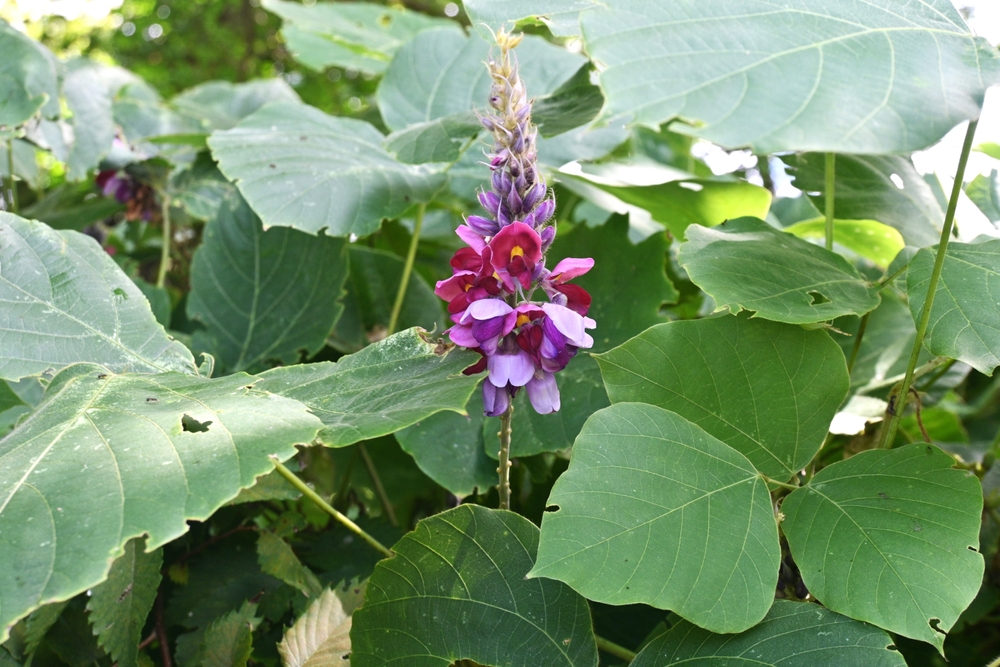
Kudzu looks harmless enough when you first spot it, with its soft leaves and fast-growing vines that seem perfect for covering fences or ugly sheds. The problem is that kudzu doesn’t know when to stop, and it grows at a pace that can feel almost cartoonish during warm months. In several states, particularly across the Southeast, kudzu is classified as a noxious weed, making it illegal to plant, propagate, or sell. Once established, it smothers trees, power lines, and entire landscapes, cutting off sunlight and altering ecosystems beyond repair. Property owners often spend years and thousands of dollars trying to control it, only to see it return stronger the next season.
Because of its destructive reputation, planting kudzu intentionally can result in fines or mandatory removal orders in some states. What starts as a quick fix for bare ground can spiral into a legal and ecological nightmare.
2. Japanese Knotweed
Japanese knotweed has a reputation that strikes fear into gardeners, real estate agents, and city planners alike. With bamboo-like stems and heart-shaped leaves, it looks ornamental and tidy during early growth stages. Unfortunately, this plant spreads through underground rhizomes that can crack concrete, damage foundations, and burst through pavement. Many states list Japanese knotweed as invasive, and some prohibit its sale or intentional planting outright. Even small cuttings can regenerate into massive colonies, making eradication extremely difficult once it takes hold.
In certain regions, knowingly allowing it to spread can lead to enforcement actions or required professional removal. What makes this plant especially notorious is its ability to lower property values and complicate home sales. Growing it might feel bold, but the consequences are anything but pretty.
3. Giant Hogweed
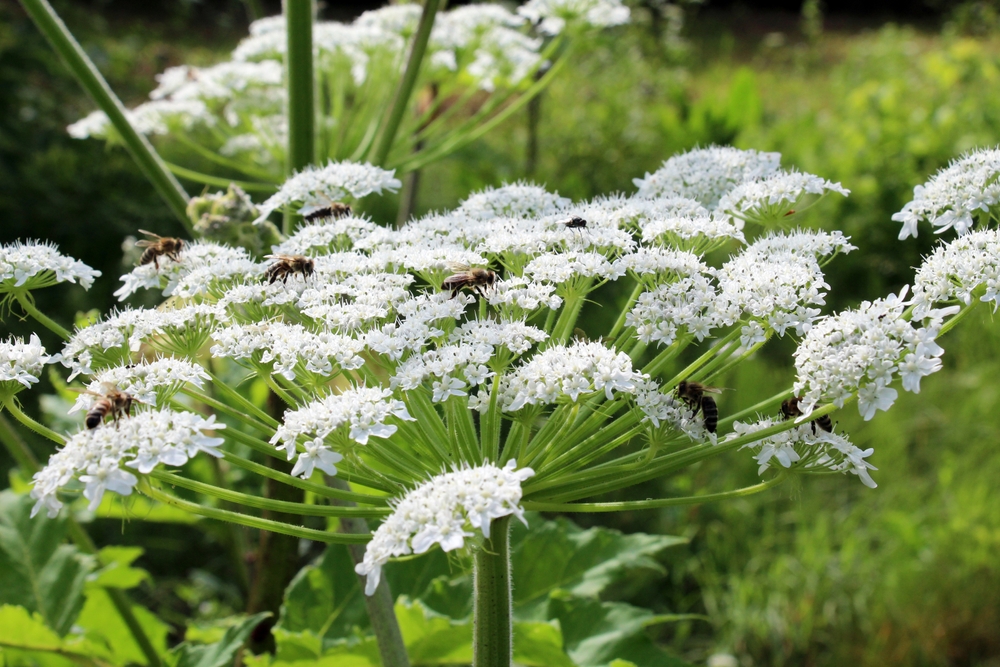
Giant hogweed doesn’t just threaten ecosystems—it can threaten your skin. This towering plant, which can reach over ten feet tall, produces sap that causes severe burns and blistering when exposed to sunlight. Because of these health risks, several states strictly regulate or ban its cultivation. Giant hogweed spreads rapidly along waterways and roadsides, outcompeting native plants and creating safety hazards for people and pets.
Many states require immediate reporting if the plant is found, and intentional planting can trigger serious penalties. Its dramatic size may appeal to gardeners looking for something bold and exotic, but this is one plant that comes with real danger attached. Even accidental contact can result in long-lasting scars. Laws surrounding giant hogweed are designed to protect public health as much as the environment.
4. Water Hyacinth
Water hyacinth is often praised for its floating purple flowers and ability to add instant beauty to backyard ponds. That beauty fades quickly once you realize how aggressively it multiplies. In warm climates, water hyacinth can double its population in just weeks, clogging waterways and reducing oxygen levels for fish. Many states ban or restrict its cultivation because escaped plants can devastate lakes, rivers, and wetlands.
Boaters, anglers, and conservationists have long battled massive infestations that block sunlight and disrupt entire aquatic ecosystems. Some states impose fines simply for possessing water hyacinth without a permit. What begins as a decorative pond plant can quickly turn into an environmental emergency. That’s why lawmakers keep such a close eye on this deceptively charming floater.
5. Purple Loosestrife
Purple loosestrife is a stunner, with tall spikes of vivid magenta flowers that attract attention from across the yard. For years, it was sold widely as an ornamental plant before its destructive tendencies became impossible to ignore. This species invades wetlands, marshes, and shorelines, pushing out native plants that wildlife depend on. Many states now list purple loosestrife as a prohibited or restricted species, making it illegal to plant or distribute. Once established, it forms dense stands that reduce biodiversity and alter water flow. Efforts to control it often involve biological controls and long-term monitoring. Despite its beauty, purple loosestrife has earned its spot on banned plant lists across the country. Sometimes the most eye-catching flowers cause the most damage.
Know Before You Grow
Gardening should be joyful, creative, and relaxing—not a source of fines or environmental harm. State plant laws exist for a reason, often shaped by decades of costly cleanup efforts and ecological damage. Before planting anything new this spring, it pays to check your state’s invasive species list and understand the rules that apply where you live. Many gardeners have surprising run-ins with banned plants, whether through old landscaping choices or well-meaning gifts from friends.
If you’ve had an unexpected experience with a problem plant or learned a lesson the hard way, the comments section below is the perfect place to add your voice to the conversation.
You May Also Like…
7 Ways to Prevent Frost Heave From Uprooting Small Plants
9 Garden Tools You Should Oil Now or Replace by Spring
10 Budget-Friendly Garden Projects to Start Before Spring
14 January Garden Tasks That Give You a Huge Spring Head Start
8 Backyard Fruits No One Knows You Can Grow in Small Spaces

Brandon Marcus is a staff writer for FrugalGardening.com at District Media, Inc., where he delivers practical gardening advice with a relatable, no-nonsense style. An avid amateur gardener, he holds a BA degree and with over ten years of professional writing experience, he is also an award-winning published author whose first book, Questions For Deep Thinkers, was released by Adams Media. His work has appeared in major publications including Fandom.com, CHUD.com, TheColdWire.com, and Fansided.com.
Leave a Reply