Cold mornings. Frosty nights. A garden that refuses to give up despite the chill. If you’ve ever stared out the window at a pale, icy patch of soil and wondered how anything could survive, you’re in for a treat. Some vegetables don’t just endure cold starts—they thrive in them.
These hardy heroes push through the frost, reward patience with tender, flavorful bites, and transform your chilly garden into a resilient paradise. Get ready to meet the seven vegetables that laugh in the face of early-season cold, turning frosty mornings into opportunities rather than setbacks.
1. Kale: The Frost-Loving Supergreen
Kale isn’t just a trendy salad star; it’s practically built for the cold. This leafy powerhouse actually improves in flavor after a light frost, as the chilly temperatures convert starches into sugars, giving the leaves a naturally sweet taste. It germinates quickly and can survive in temperatures dipping below freezing, making it ideal for early spring or late fall planting. Kale’s thick, textured leaves protect the inner growth from frost damage, meaning a harsh cold snap won’t ruin your crop.
Not only is it versatile for soups, stews, and smoothies, but it’s also loaded with vitamins A, C, and K, making it a nutritional juggernaut. Gardeners often find that the hardier the frost, the more robust the kale plant becomes, proving that some greens just adore a challenge.
2. Spinach: Fast-Growing And Frost-Resistant
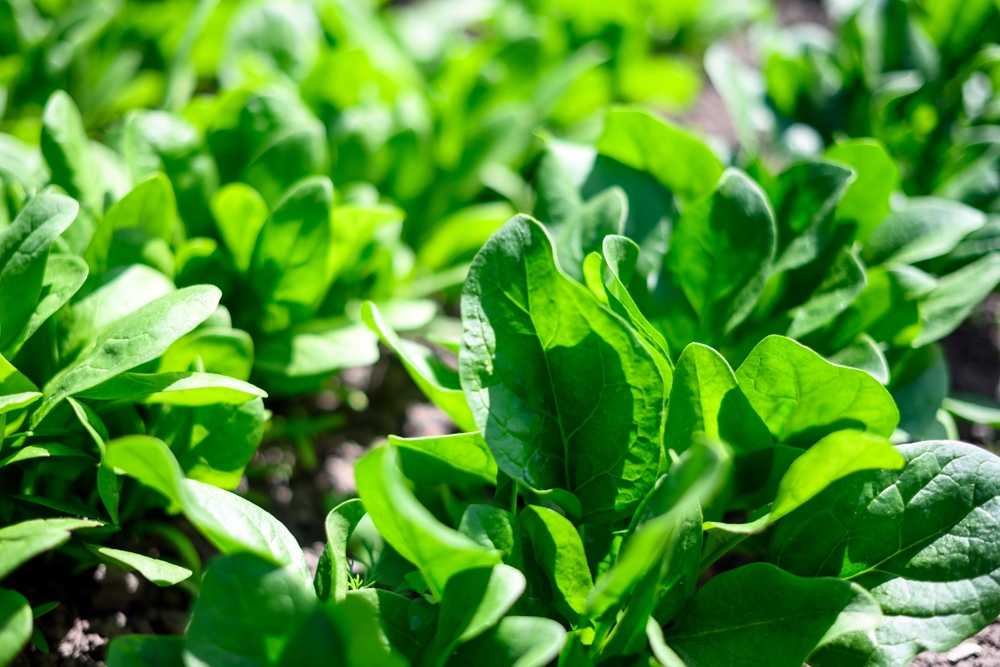
Spinach is a superstar for cool-weather gardening because it germinates quickly, often in just a week, even when soil temperatures are still low. Its tender leaves can survive light frosts, and older plants can withstand even heavier chills if protected with a thin layer of mulch. Spinach loves consistent moisture, so cold, damp soil actually suits it perfectly. Nutritionally, it’s a powerhouse, boasting iron, magnesium, and antioxidants that help your body fight off winter fatigue.
Gardeners often plant it in succession, ensuring a continual harvest that stretches into late spring. Plus, watching tiny green shoots push through chilly soil is one of the most satisfying rewards for early-season planting.
3. Carrots: Sweet Roots That Brave The Cold
Carrots are another vegetable that welcomes a little frost. In fact, cool temperatures can enhance their sweetness because the roots convert stored starches into sugar as a natural antifreeze mechanism. They require loose, well-drained soil to grow straight and healthy, and cold-tolerant varieties can handle light freezes without a hitch. Sowing seeds directly in early spring or late summer is common, as the roots grow slowly but steadily while the soil remains cool. Carrots are highly versatile in the kitchen, from roasting and steaming to raw snacks, giving you plenty of options for enjoying your harvest. When frost hits, the flavor boost is noticeable, making each bite a crisp, sweet reward.
4. Broccoli: The Cold-Weather Crown Jewel
Broccoli is a cool-season champion that thrives in temperatures between 65°F and 75°F but won’t shy away from a frost. Its dense heads can survive light freezes, and mature plants develop even sweeter flavors in colder weather. Broccoli grows best in well-drained, fertile soil, and it loves a slow, steady start rather than sudden heat. Planting in early spring ensures your crop reaches maturity before the summer heat sets in, avoiding bolting or bitterness.
Nutritionally, broccoli packs a punch with fiber, vitamins C and K, and compounds that support overall health. Watching tiny florets develop in brisk air is deeply satisfying, a reminder that patience in the garden is always rewarded.
5. Brussels Sprouts: Tiny Cabbage Giants
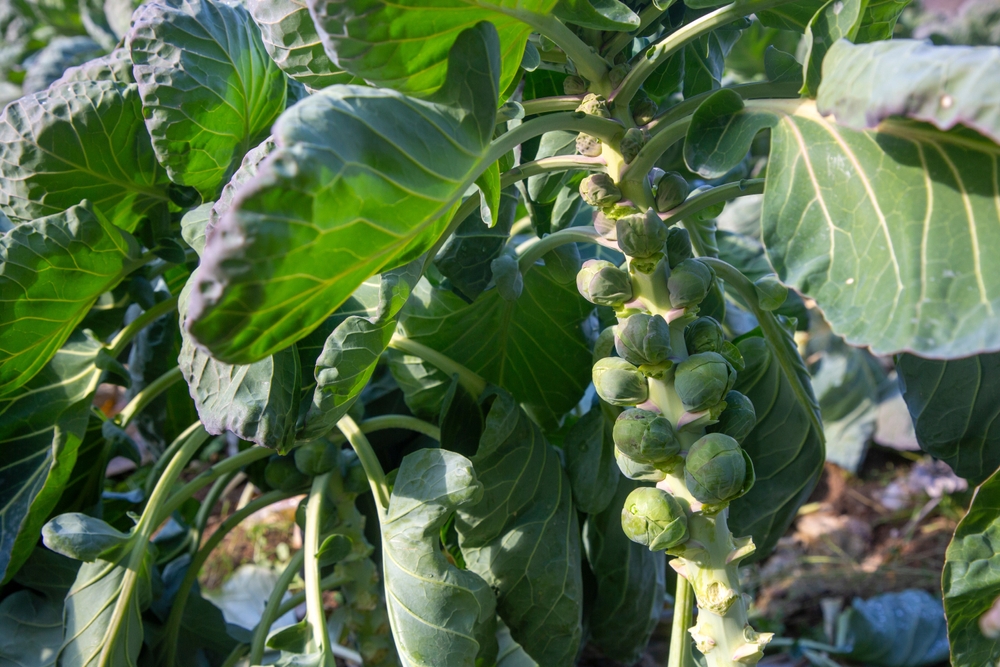
Brussels sprouts may look like little green bulbs on a stalk, but they are fearless when it comes to cold. These mini-cabbages actually benefit from frost exposure, which improves their flavor and reduces bitterness. They have a long growing season, so starting them indoors or in cold frames before transplanting ensures they can handle early cold snaps. Once established, the stalks can tolerate temperatures below freezing, and careful pruning encourages larger, more flavorful sprouts.
These nutrient-dense vegetables provide fiber, vitamins, and antioxidants, making them as healthy as they are hearty. Gardening with Brussels sprouts is like playing the long game: the patient gardener reaps sweet, frost-kissed rewards.
6. Peas: Crisp, Sweet Climbers
Peas are the first sign of spring in many gardens because they flourish in cool soil. They can tolerate light frosts, and early planting often results in sweeter pods since the cooler temperatures slow down starch conversion too much sugar. Peas prefer fertile soil and benefit from trellising to keep vines off the damp ground. Regular watering and sunlight exposure help them grow rapidly, rewarding gardeners with tender, crisp pods in just 60 to 70 days. Sugar snap peas and snow peas are particularly resilient, making them a staple for cold-start gardens. These legumes are not just tasty but also rich in protein and fiber, proving that the chill doesn’t limit growth or nutrition.
7. Lettuce: Crisp Leaves That Laugh At Frost
Lettuce may seem delicate, but many varieties thrive in cool temperatures and tolerate light frost surprisingly well. Loose-leaf and romaine types are particularly cold-hardy, producing tender, crisp leaves even when mornings are chilly. Planting in succession ensures a steady harvest, and covering young seedlings during unexpected frosts gives them extra protection.
Lettuce grows quickly, often ready for harvest in three to four weeks, so early planting means a satisfying reward for patient gardeners. Its mild flavor makes it ideal for salads, sandwiches, or wraps, and it can even be lightly sautéed for a warm winter dish. Watching lettuce unfold in the cool air is a gentle reminder that even the smallest leaves can thrive against the odds.
Tell Us About Your Cold-Weather Garden Adventures
Gardening in chilly conditions may seem daunting, but these seven vegetables prove that frost doesn’t have to slow down your harvest. From kale to lettuce, each plant has a unique way of thriving when temperatures dip, rewarding gardeners with sweet, crisp, and nutrient-packed produce.
Now it’s your turn: do you have a favorite cold-tolerant vegetable, or a memorable story about your early-season garden triumphs? We’d love to hear your experiences, tips, or unexpected successes in the comments below.
You May Also Like…
6 Vegetables That Don’t Need Premium Fertilizers
7 Vegetables That Are Cheaper to Start From Seed in January
9 Cold-Frame Tricks That Keep Greens Growing in January
9 Winter Pruning Cuts That Invite Disease in Spring
6 Cold Weather Herbs That Keep Producing Indoors

Brandon Marcus is a staff writer for FrugalGardening.com at District Media, Inc., where he delivers practical gardening advice with a relatable, no-nonsense style. An avid amateur gardener, he holds a BA degree and with over ten years of professional writing experience, he is also an award-winning published author whose first book, Questions For Deep Thinkers, was released by Adams Media. His work has appeared in major publications including Fandom.com, CHUD.com, TheColdWire.com, and Fansided.com.
Leave a Reply