Winter winds may still nip at your nose, but in the Carolinas, February is the secret launchpad for a spectacular spring garden. The magic of gardening doesn’t wait for March sunshine, and neither should you.
Whether you’re tending to a backyard oasis in Raleigh or a flower-filled corner in Charleston, taking action now can mean the difference between a lackluster spring and a garden that makes your neighbors gasp.
From pruning to soil prep, there are key steps that savvy gardeners take before February ends. Get ready to roll up your sleeves—your spring blooms are counting on you!
Inspect And Protect Fruit Trees And Shrubs
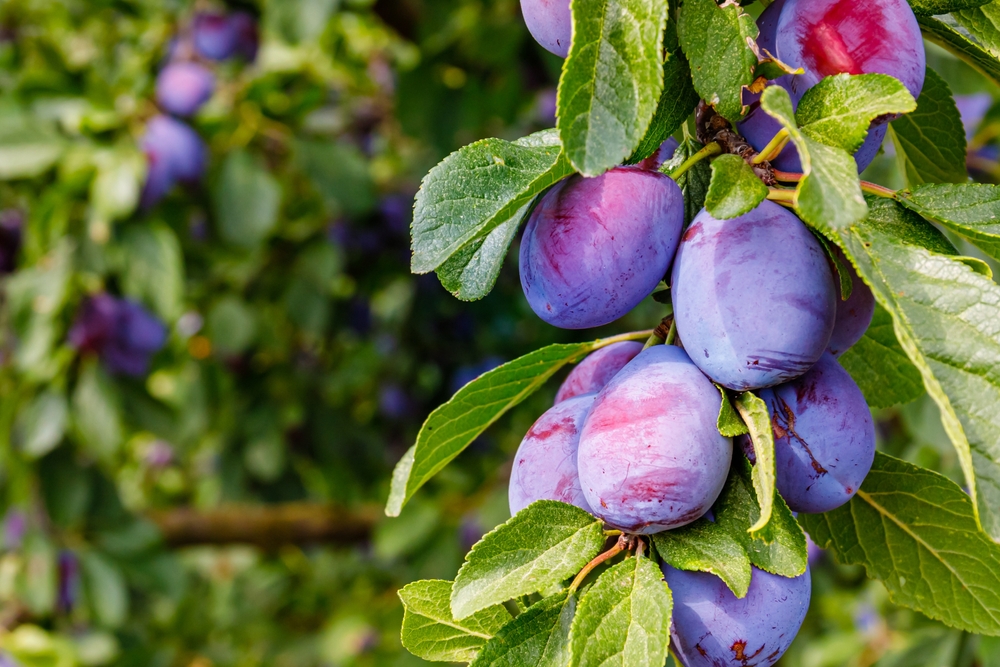
Fruit trees and shrubs are the stars of Carolina gardens, but winter can be brutal if you haven’t taken precautions. Start by carefully examining branches for signs of damage or disease. Any dead, broken, or diseased limbs should be removed immediately to prevent infections from spreading when sap begins flowing. Don’t forget to check for early pests hiding in bark crevices—aphids and scale insects often lurk unnoticed until it’s too late.
Applying dormant oil sprays is another essential step; this helps smother overwintering insects without harming the plant. If your trees are young or particularly sensitive, consider a protective barrier against harsh winds, like burlap wraps. Taking these measures now sets the stage for a spring bursting with healthy blossoms and abundant fruit.
Prepare And Amend Your Soil
Before the first seedlings peek through the ground, the foundation of a thriving garden begins in the dirt beneath your feet. Start by testing your soil’s pH and nutrient levels—this tells you exactly what your plants will need to flourish. Many Carolina soils benefit from compost, well-rotted manure, or organic amendments to improve texture and fertility. February is ideal for turning over beds and loosening compacted soil, ensuring roots can dig deep once planting begins.
Mulching isn’t just for aesthetics; it regulates soil temperature, retains moisture, and suppresses early weeds that can steal nutrients. Make sure to remove any leftover plant debris from last season to reduce the risk of disease and pests taking hold.
Plan And Preorder Seeds And Supplies
A garden without seeds is like a kitchen without ingredients—preparation is everything. February is the perfect month to finalize your planting list and order seeds or starter plants before the spring rush. Make notes on what worked last year and what you want to try this season.
Specialty seeds often sell out quickly, so planning ahead ensures you don’t miss out on your favorite varieties. Organize your gardening tools, check irrigation systems, and make any repairs or replacements now.
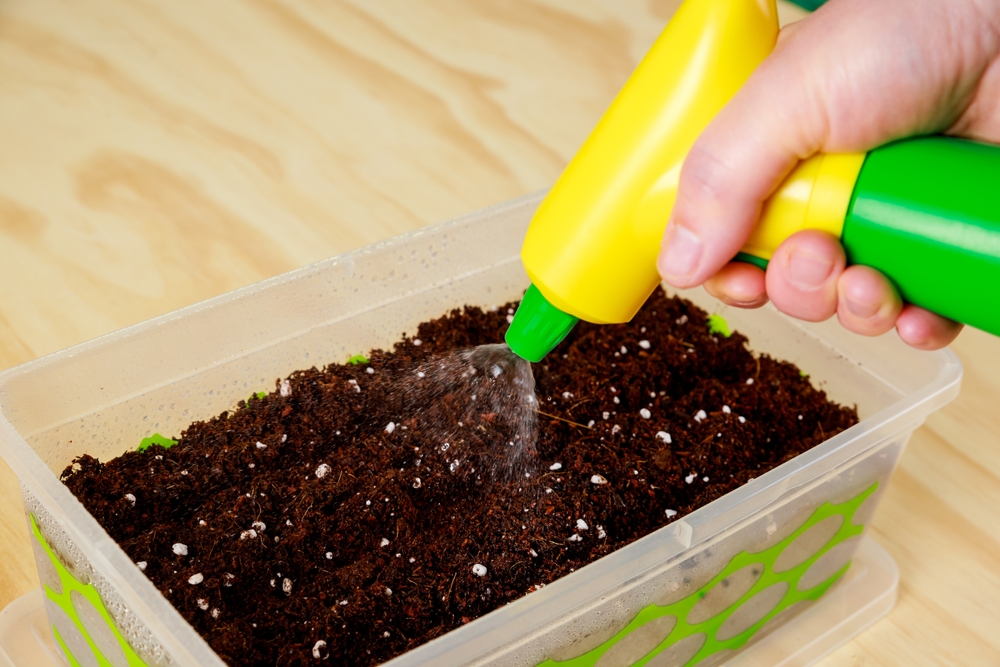
Starting seeds indoors or in a greenhouse can also be timed perfectly in February, giving plants a strong head start. Monitor indoor lighting, temperature, and watering schedules carefully to prevent leggy seedlings or dampening-off diseases. Every careful step you take now—whether selecting seed varieties, sterilizing pots, or planning crop rotations—pays off in a lush, healthy garden in March and beyond.
Tell Us About Your Garden Plans
Gardening in the Carolinas can feel like a race against time, but with February prep, you can be ahead of the game and ready to reap the rewards all season long. We’d love to hear what steps you’re taking this month to set up your spring garden, whether it’s pruning, soil prep, or early planting.
Let us know what strategies have worked for you, what challenges you’re tackling, or even the little victories that make gardening so rewarding. Your insights might just inspire fellow gardeners to take action and enjoy their own blooms this spring.
You May Also Like…
Why Stink Bugs Are Suddenly Invading Homes in North Carolina
Why Gardeners in the Carolinas Are Skipping Mulch This Winter—And What Experts Say to Do Instead
The $0 Garden Trend That’s Taking Over Pinterest—And Why It’s Perfect for Southern Growers
This One Winter Gardening Habit Could Be Spreading Invasive Pests Across the South
8 Signs Your Soil Needs More Drainage Before Spring Rains

Brandon Marcus is a staff writer for FrugalGardening.com at District Media, Inc., where he delivers practical gardening advice with a relatable, no-nonsense style. An avid amateur gardener, he holds a BA degree and with over ten years of professional writing experience, he is also an award-winning published author whose first book, Questions For Deep Thinkers, was released by Adams Media. His work has appeared in major publications including Fandom.com, CHUD.com, TheColdWire.com, and Fansided.com.
Leave a Reply