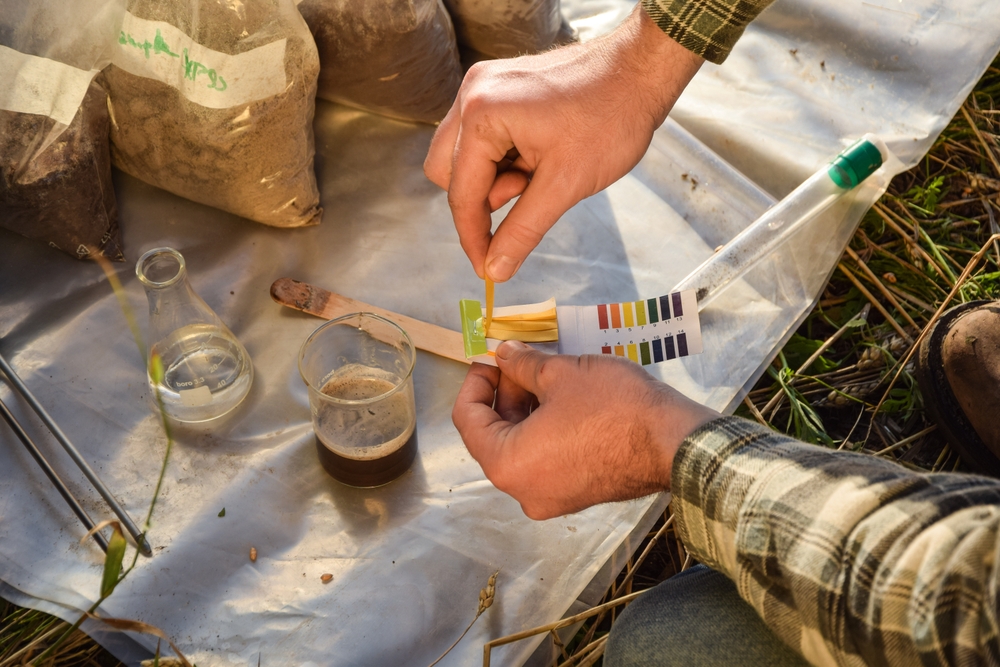
January is not just a month for cozy sweaters and hot cocoa—it’s turning into a revelation for North Carolina gardeners. Across the state, backyard enthusiasts are rolling up their sleeves and digging into something a little less glamorous than snowdrifts: their soil. Soil tests done this month are yielding results that are both surprising and eye-opening, leaving many gardeners scratching their heads and adjusting plans for the upcoming season.
From nutrient imbalances to unexpected pH swings, the ground beneath our feet is telling stories that demand attention, and anyone with a trowel in hand needs to listen carefully.
Unexpected Nutrient Deficiencies Are More Common Than You Think
Gardeners are reporting startling nutrient gaps that could seriously affect spring planting. Nitrogen, the essential element for leafy growth, is showing up in lower-than-expected levels in many suburban yards, which may stunt the growth of vegetables like kale, spinach, and broccoli. Phosphorus, critical for root development, is also missing in pockets across the state, threatening early-season blooms and root vegetables. While potassium levels tend to be more stable, some soil tests reveal it’s either too low or—surprisingly—excessively high, which can interfere with other nutrients.
Experts warn that these deficiencies are often compounded by years of skipping soil amendments or relying too heavily on store-bought fertilizers without testing first. Gardeners who ignore these signals may plant an array of seeds only to watch their efforts falter. Winter may feel quiet above ground, but underground, the soil is setting the stage for success—or struggle.
Soil Acidity And Alkalinity Are Shocking Gardeners
pH balance is a topic that many casual gardeners underestimate, but this January, it’s grabbing attention. Some North Carolina soils are swinging toward acidity far faster than expected, while other regions are showing unexpectedly alkaline results. Acidic soils can stunt vegetable growth and prevent nutrients from being absorbed efficiently, while alkaline soils may leave plants hungry for iron and other trace minerals. Even seasoned gardeners are finding that the results of last year’s amendments don’t always hold up, highlighting the dynamic nature of soil chemistry.
Adjusting pH now, before planting season, can make the difference between thriving gardens and disappointing yields. Soil isn’t static—it’s a living system reacting to rainfall, temperature swings, and prior fertilization. Paying attention to pH early allows gardeners to correct problems before they impact seeds and seedlings.
Hidden Contaminants Are Becoming A Concern
Beyond the expected nutrient and pH readings, some tests are uncovering a more unsettling reality: traces of heavy metals and other contaminants. Lead, often a legacy of old paint or nearby industrial activity, shows up in certain urban and older suburban plots. Cadmium and arsenic, though less common, are also being detected in some areas, prompting calls for extra caution in growing edible plants. These findings aren’t just alarming—they’re actionable.
Home gardeners can take steps such as raised beds, imported topsoil, or strategic crop selection to protect their families while still enjoying gardening. It’s a reminder that soil health isn’t just about growing bigger tomatoes—it’s about safe, sustainable gardening practices that start beneath your feet.
The Role Of Organic Matter Is More Crucial Than Ever
Organic matter is turning out to be the secret weapon gardeners need to pay attention to. Many January soil tests reveal low levels of decomposed leaves, compost, and humus, which can leave soil weak, compacted, and poorly draining. Organic matter improves soil structure, retains moisture, and provides food for beneficial microbes that help plants thrive. Those who add compost or mulch consistently see better water retention and healthier root systems, but neglecting this step can mean struggling with dry spells or nutrient lock-ups.
Gardeners are realizing that the richness of their soil isn’t just a seasonal concern—it’s a year-round commitment. Regularly building up organic content ensures that when spring arrives, seeds encounter a welcoming environment primed for growth.
Preparing For A Successful Growing Season
With all these findings, the key takeaway for gardeners is preparation. Understanding the unique quirks of your soil now allows for strategic fertilization, pH adjustments, and bed planning. Tools like compost, lime, or sulfur can correct deficiencies, while careful monitoring ensures plants have what they need when growth begins. Soil testing isn’t a one-time task—it’s an ongoing partnership with the ground beneath your feet. Starting the year informed gives gardeners a significant advantage, turning what might feel like an unpredictable growing season into a well-planned success story. Paying attention now can prevent months of frustration later, and results from a few simple tests can guide your garden decisions for years to come.
Share Your Thoughts And Experiences
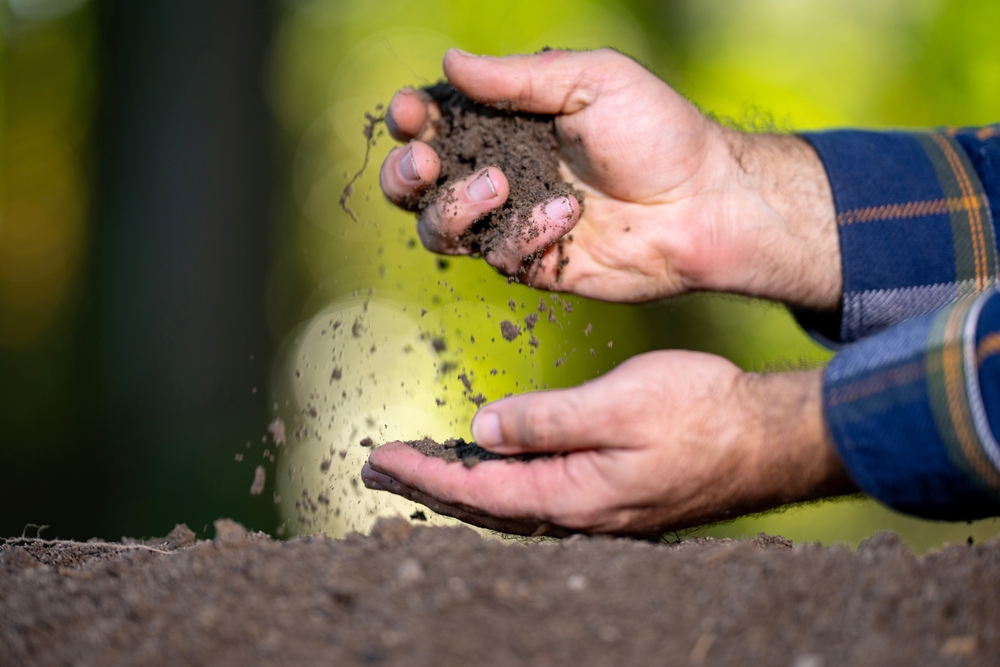
North Carolina gardeners are learning that soil is a living, changing canvas that deserves careful attention—especially in January. Whether you’ve found surprising deficiencies, pH swings, or traces of contaminants, these insights can help guide your planting strategies and keep your garden thriving.
If you’ve had unique soil test results or innovative ways to manage challenging soil conditions, we’d love to hear about them in the comments below.
You May Also Like…
How Many Times a Month Should You Get Your Grass Cut?
10 Plants You Should Never Prune In January
11 Winter Garden Myths That Waste Time and Money
6 Winter Garden Colour Schemes That Replace Summer Blooms
Why January Garden Planning Saves More Money Than Any Other Month

Brandon Marcus is a staff writer for FrugalGardening.com at District Media, Inc., where he delivers practical gardening advice with a relatable, no-nonsense style. An avid amateur gardener, he holds a BA degree and with over ten years of professional writing experience, he is also an award-winning published author whose first book, Questions For Deep Thinkers, was released by Adams Media. His work has appeared in major publications including Fandom.com, CHUD.com, TheColdWire.com, and Fansided.com.
Leave a Reply