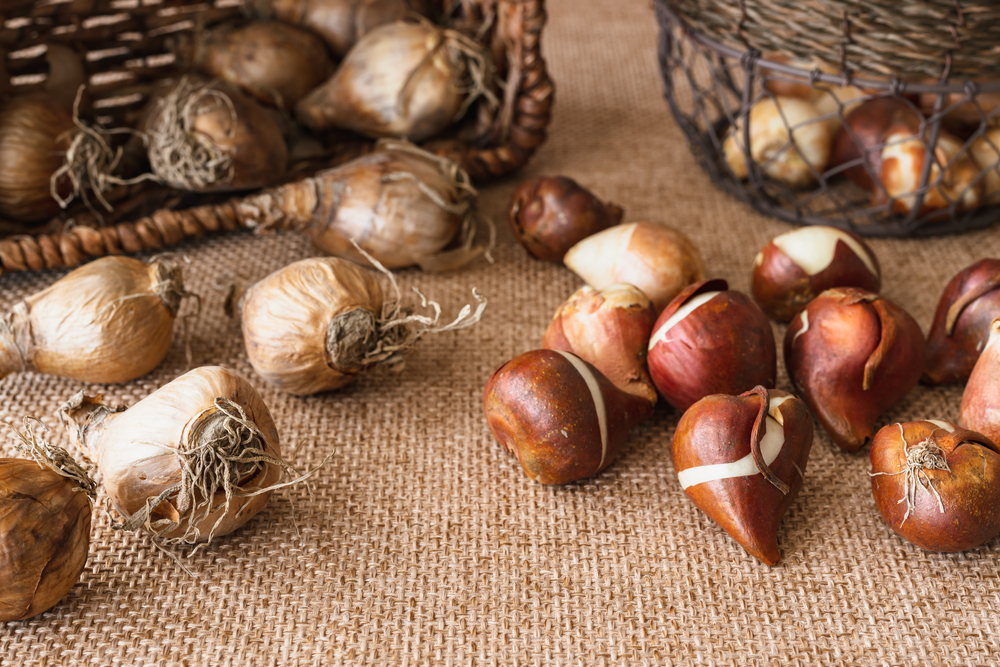
When most people are sipping hot cocoa, hunting for holiday deals, or wondering where they stored last year’s string lights, the last thing on their minds is planting bulbs. Yet December—the month everyone assumes is too cold, too late, too hopeless for gardening—might actually be the secret weapon of thriving spring blooms. While your neighbors wait for spring to roll around, you’ll already have a hidden army of bulbs underground preparing for their dramatic reveal.
Planting in December feels a little rebellious, a little magical, and surprisingly strategic once you understand how bulbs behave. So grab your gloves, embrace the crisp air, and let’s talk about why December may just be the perfect month to get your hands dirty.
Bulbs Love The Cold More Than You Think
Many bulbs need a long period of cold temperatures to trigger their internal bloom clock. December planting gives them that natural chill time without the unpredictable warm spells that early fall sometimes brings. By the time winter settles in, your bulbs are already tucked in and adjusting exactly as nature intended. When spring finally arrives, they burst through the soil right on schedule and often stronger than spring-planted bulbs. The cold doesn’t harm them—it activates their brilliance.
December Soil Conditions Are Surprisingly Ideal
Even though December feels frozen on the surface, the soil beneath is usually workable in many regions. Moisture levels are more stable, meaning bulbs settle in without drying out the way they often do in warmer months. Instead of facing weeks of inconsistent spring rain, your bulbs get exactly what they need now: slow, steady hydration. The soil ecosystem is calmer too, with fewer active pests trying to snack on your newly planted treasures. All of this creates the perfect underground environment for bulbs to root deeply and securely.
You Avoid Springtime Gardening Chaos
Spring is famously hectic for gardeners, and trying to plant bulbs in that rush often leads to overcrowding, poor placement, or forgetting entirely. When you plant in December, you’re giving yourself a head start and clearing future mental space for other tasks like mulching, pruning, and planning new beds. You also avoid the frenzy of everyone buying up bulbs at the same time, leaving you with the leftovers. December planting is calmer, more thoughtful, and infinitely less stressful. Plus, you get to feel smug when your flowers pop up while everyone else is still waiting.
December Planting Reduces Pest Interference
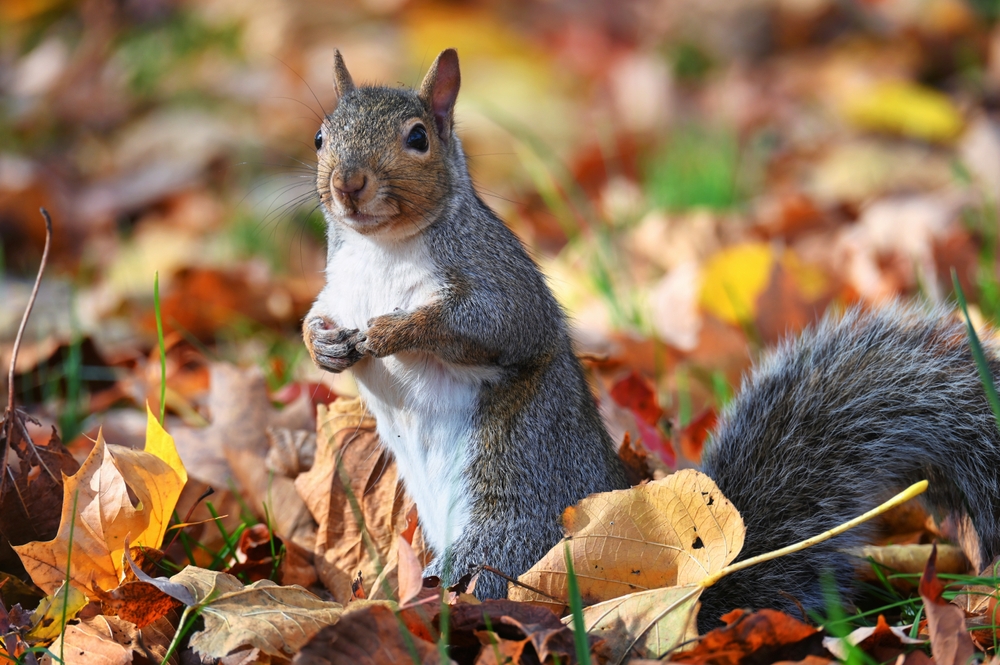
By December, many pests that love to feast on freshly planted bulbs have already retreated for the season. Squirrels, one of the biggest bulb thieves, are too busy conserving their energy to go digging for your buried treasures. Insects are dormant, soil disturbances are minimal, and the overall risk of damage drops significantly. This means your bulbs remain safely hidden until spring without the usual threats. Planting now practically ensures your bulbs survive with fewer battle scars.
You Get Stronger, More Consistent Blooms
Bulbs planted in December often catch up quickly to fall-planted ones and sometimes even outperform them. The added cold period encourages robust root systems that anchor the plants and feed their growth. By the time the weather begins to warm, your bulbs have established themselves so well that they can channel more energy into developing lush foliage and vibrant flowers. The result is a more synchronized bloom time, creating fuller, more striking displays. Instead of scattered, inconsistent sprouts, you get a dramatic and unified floral performance.
It’s Easier To See Where To Plant
With your garden fully dormant, December offers a clear, unobstructed view of your landscape. There are no sprawling leaves or overgrown summer plants blocking your vision or confusing your layout. You can easily see the empty pockets that need a pop of spring color or the spaces where structure will enhance the garden’s design. This clarity leads to smarter bulb placement and more intentional garden planning. It turns winter into a quiet season of strategy instead of chaos.
Bulb Sales Are Better In Winter
Garden centers and nurseries often slash prices on bulbs in late fall and early winter, making December a savvy choice for bargain hunters. While others are distracted by holiday shopping, you can score top-quality bulbs at a fraction of their spring price. Many stores are also clearing out their inventory, meaning you can grab rare varieties that sell out early in the season. And because bulbs are surprisingly resilient, many of these discounted options still thrive beautifully once planted. December becomes a treasure hunt for gardeners willing to dig—literally and figuratively.
Planting In December Extends Your Gardening Season
Gardening doesn’t have to end when summer fades. December planting gives you one last satisfying burst of outdoor activity before winter shuts things down. It’s refreshing, invigorating, and surprisingly peaceful to plant bulbs when the world feels quieter. You’re also setting up a future reward—your spring flowers will be a colorful reminder of your December dedication. There’s something poetic about planting hope in the cold season and watching it flourish months later.
You Beat The Spring Weather Guessing Game
Spring weather can be unpredictable—one week warm, the next freezing, sometimes even both in a single day. When you plant bulbs in December, you skip the stress of trying to predict the first frost-free window. The bulbs settle in during winter’s consistency instead of gambling on spring’s mood swings. This helps them grow more reliably and reduces the risk of rot or shock from sudden temperature changes. December planting lets nature take the lead while you sit back and enjoy the results.
Plant Smart Now, Celebrate Later
Planting bulbs in December may feel counterintuitive, but it’s one of the smartest, most rewarding gardening moves you can make. The cold works in your favor, the pests stay away, the soil cooperates, and the blooms that emerge in spring often outperform those planted during the traditional season. Best of all, December planting gives you peace of mind and a head start on the gardening year.
Have you ever planted bulbs in December or tried winter gardening experiments? Share your stories, tips, and thoughts in the comments.
You May Also Like…
How to Spot Rot in Stored Bulbs Before It Spreads Everywhere
Why Mulching in December Can Save Your Spring Garden
14 Winter Soil Preparation Tips That Boost Spring Growth
12 December Gardening Tasks That Most Homegrowers Forget
How to Mow and Mulch for a Perfect Lawn Come Spring

Brandon Marcus is a staff writer for FrugalGardening.com at District Media, Inc., where he delivers practical gardening advice with a relatable, no-nonsense style. An avid amateur gardener, he holds a BA degree and with over ten years of professional writing experience, he is also an award-winning published author whose first book, Questions For Deep Thinkers, was released by Adams Media. His work has appeared in major publications including Fandom.com, CHUD.com, TheColdWire.com, and Fansided.com.
Leave a Reply