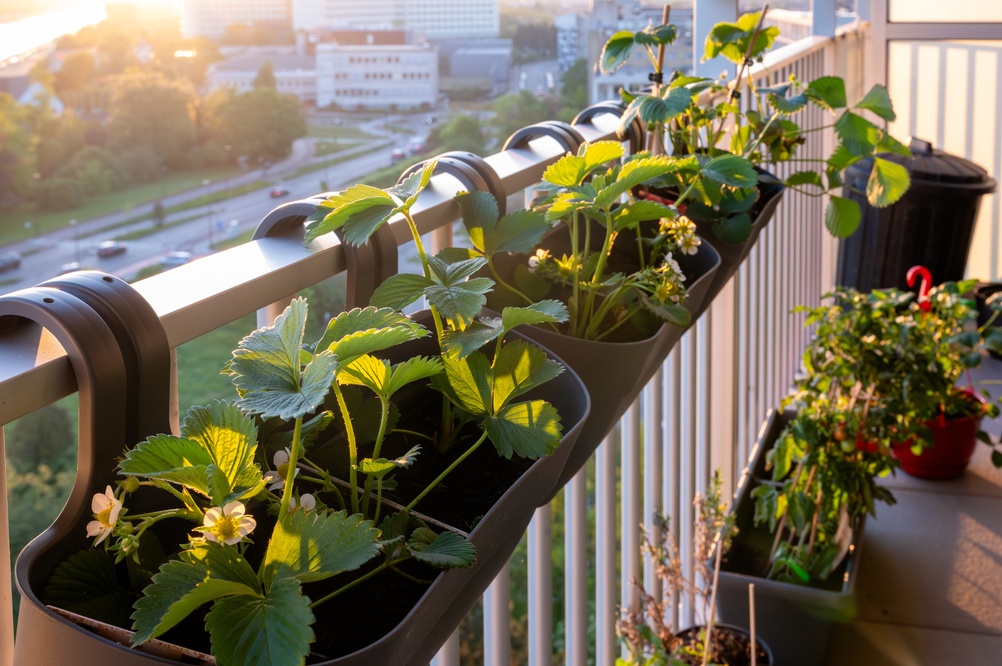
A sunny balcony or blazing patio looks like the perfect place to grow food until the afternoon wind whips through, the containers heat up, and tender plants start waving the white flag. Plenty of gardeners give up after watching leafy greens wilt or tomato blossoms drop during the hottest stretch of summer. That frustrating cycle often has less to do with gardening skill and more to do with choosing crops that simply dislike harsh conditions.
Some vegetables, herbs, and fruits laugh at heat, shrug off steady breezes, and keep producing long after fussier plants quit. Pair those dependable crops with a few practical container tricks, and even a challenging balcony can turn into a productive little food garden that delivers fresh harvests for months.
Pick Tough Plants That Love Sunshine
Many classic garden vegetables struggle when hot winds constantly pull moisture from their leaves, but several crops actually welcome those bright, sunny conditions. Peppers, eggplants, okra, rosemary, thyme, and chili peppers all enjoy warmth and continue growing when temperatures climb. Cherry tomatoes also perform surprisingly well because their smaller fruits place less stress on the plant than oversized slicing tomatoes. Swiss chard deserves attention too because it tolerates heat much better than spinach while producing colorful, edible leaves for weeks. Choosing naturally resilient plants gives every container a much better chance from the very beginning.
Strong sunlight still demands consistent watering, especially in containers that dry out faster than garden beds. Large pots hold moisture longer than tiny containers, giving roots a steadier supply of water during windy afternoons. A layer of mulch made from shredded bark, straw, or coconut fiber also slows evaporation while keeping roots cooler. Healthy roots support healthy leaves, and healthy leaves handle both heat and wind much more gracefully.
Herbs Often Become the Quiet Champions
Many herbs come from Mediterranean climates where rocky soil, blazing sunshine, and dry conditions shape their natural growing habits. Rosemary, oregano, sage, lavender, and thyme rarely complain about hot patios as long as containers drain well and roots never sit in soggy soil. Their woody stems also resist snapping in moderate wind better than delicate herbs with soft growth. That combination makes them dependable choices for balconies that receive several hours of direct sun each day.
Basil requires a little more attention because it appreciates warmth but dislikes drying out completely. Regular harvesting encourages bushier growth while preventing flowering too early in the season. Parsley also performs well with afternoon shade if temperatures become especially intense during midsummer. A collection of sturdy herbs creates an attractive display while supplying fresh ingredients for countless meals throughout the growing season.
Compact Vegetables Deliver Big Results
Small spaces reward crops that stay productive without sprawling across every available inch. Bush beans, compact peppers, dwarf tomatoes, patio eggplants, and smaller cucumber varieties all fit comfortably into containers while producing generous harvests. Many seed companies now offer varieties specifically bred for balconies, making it much easier to match plant size with available space. Compact plants also catch less wind than oversized vines, reducing broken stems and damaged foliage.
Container placement matters almost as much as crop selection. Positioning pots near a sturdy railing, wall, or decorative screen softens powerful gusts without blocking valuable sunlight. Grouping containers together creates a sheltered microclimate where plants protect one another from drying winds. That simple arrangement often keeps soil moist longer while reducing stress across the entire collection of crops.
Fruit Choices That Handle Summer Heat
Not every fruit belongs in a sprawling backyard. Strawberries flourish in hanging baskets or shallow containers where fruit stays clean and easy to pick, while many modern dwarf blueberry varieties adapt well to patio pots if gardeners provide acidic soil and consistent watering. Compact fig trees also appreciate sunny patios because they naturally enjoy warm climates and produce sweet fruit in large containers. These smaller fruit choices bring impressive harvests without demanding a huge amount of space.
Wind protection becomes especially valuable once fruit begins forming. Heavy gusts can knock blossoms from young plants or damage developing fruit before harvest time. Simple supports, sturdy cages, or bamboo stakes help stabilize plants without creating an elaborate structure. Secure plants spend more energy producing food instead of recovering from physical stress.
Small Maintenance Habits Make a Huge Difference
The toughest plants still appreciate thoughtful care during stretches of intense weather. Morning watering gives roots time to absorb moisture before afternoon temperatures climb, while avoiding soaked soil overnight reduces disease problems. Feeding container plants with a balanced fertilizer according to label directions replaces nutrients that frequent watering gradually washes away. Healthy plants naturally recover faster after hot, windy days than stressed plants running on empty.
Regular observation solves many problems before they become serious. Curled leaves, dry soil pulling away from container edges, or faded foliage often signal that watering or feeding needs adjustment. Rotating containers every week also encourages even growth because all sides receive similar sunlight exposure. A few minutes of attention several times each week usually prevents much larger headaches later in the season.
A Balcony Garden Can Beat the Odds
Wind and heat do not have to dictate what grows successfully on a balcony or patio. Choosing crops that naturally enjoy sunny, dry conditions creates a garden that works with the environment instead of constantly battling it. Pair those reliable plants with larger containers, steady watering, mulch, and sensible wind protection, and even challenging outdoor spaces can reward gardeners with fresh herbs, colorful vegetables, and delicious fruit. Every successful harvest begins with matching the right plant to the right location, and that simple strategy often transforms an exposed balcony into the favorite growing space in the home.
What crops have delivered the biggest harvests on a hot balcony or windy patio? Let’s talk about your favorite varieties and growing tips below.
You May Also Like…
Skip the Transplants: These Warm-Weather Veggies Excel When Direct-Sown Now
6 Options That Transition Well Between Indoor and Outdoor Growth
The Cheap Backyard Upgrade That Makes Summer Nights Better
The Heat-Wave Watering Mistake That Can Kill Container Gardens
Turn Household Containers Into Thriving Veggie Gardens With Buckets, Totes & Milk Jugs

Brandon Marcus is a staff writer for FrugalGardening.com at District Media, Inc., where he delivers practical gardening advice with a relatable, no-nonsense style. An avid amateur gardener, he holds a BA degree and with over ten years of professional writing experience, he is also an award-winning published author whose first book, Questions For Deep Thinkers, was released by Adams Media. His work has appeared in major publications including Fandom.com, CHUD.com, TheColdWire.com, and Fansided.com.
Leave a Reply