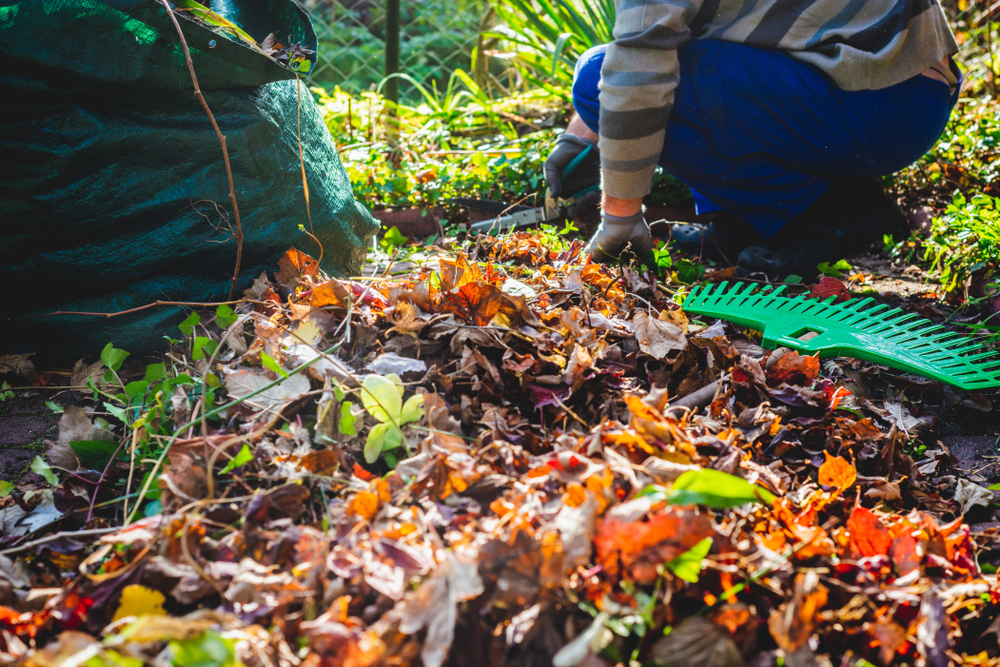
What if the best thing you could do for your garden this fall was actually less work? While many homeowners spend hours raking leaves, cutting back flowers, and hauling away plant debris, wildlife experts say some of those familiar cleanup habits could be doing more harm than good.
Your garden may look like it’s shutting down for winter, but beneath those fallen leaves and dried stems, an entire ecosystem is preparing to survive the colder months. Butterflies, native bees, beneficial insects, and backyard birds all depend on resources that traditional fall cleanup often removes.
According to the Xerces Society for Invertebrate Conservation, fallen leaves, hollow stems, and other garden debris provide essential overwintering habitat for pollinators and beneficial insects.
Creating a wildlife-friendly fall garden cleanup doesn’t mean abandoning your yard or allowing everything to become overgrown. Instead, it means knowing what to remove, what to leave behind, and how a few simple changes can benefit wildlife while saving time and money.
Here’s how to approach fall cleanup differently this year.
Leave Fallen Leaves Where They Can Help Wildlife
Those piles of autumn leaves aren’t necessarily yard waste, and removing every last one can eliminate valuable winter habitat. Butterflies, moths, bumble bees, and other invertebrates depend on fallen leaves for insulation and protection from freezing temperatures. Rather than bagging everything for curbside collection, gently rake leaves into garden beds, beneath shrubs, or around established trees where they can decompose naturally. Keep leaves away from building foundations, drainage openings, and areas where thick accumulations could smother healthy grass or create slipping hazards. A wildlife-friendly fall garden cleanup allows you to maintain a tidy lawn while preserving the leaf litter that supports beneficial creatures throughout winter.
Keep Dried Flower Heads for Hungry Birds
Cutting down every faded flower may make your garden look cleaner, but it also removes an important natural food source. According to the National Audubon Society, seed heads from coneflowers, black-eyed Susans, and native grasses provide valuable food for birds during fall and winter. Goldfinches, sparrows, and other seed-eating species may visit these standing plants long after the colorful summer blooms have disappeared. Instead of deadheading everything, leave healthy seed-producing perennials standing and remove only plants that are diseased, invasive, or creating a safety concern. This simple adjustment can reduce your need for purchased birdseed while turning your dormant flower beds into natural feeding stations.
Don’t Cut Every Perennial Stem to the Ground
Many gardeners automatically trim perennial flowers down to soil level once the growing season ends, but that practice can disturb overwintering insects. The Xerces Society explains that standing stems provide nesting and shelter opportunities for native bees and other beneficial insects. Hollow or pithy stems from suitable perennial plants may become nesting sites, while other stems support overwintering eggs or pupae. If some plants must be trimmed for appearance or safety, consider leaving several inches of stem standing and preserving undisturbed sections elsewhere in the garden. A wildlife-friendly fall garden cleanup recognizes that dried plant material can serve an important purpose even when it no longer looks attractive.
Turn Fallen Branches Into a Small Wildlife Shelter
Instead of hauling every fallen branch to the curb, consider using some of that material to create a small brush pile. Fallen logs, branches, and brush provide shelter for insects and other wildlife during winter. A modest pile tucked behind a shrub or in a quiet garden corner can offer protected spaces without taking over your landscaping. Choose a location away from buildings, fire-prone areas, walkways, and places where rodents could become a household problem. By repurposing suitable branches already on your property, you can create additional wildlife habitat without purchasing expensive shelters or decorative garden structures.
Protect the Soil Instead of Turning Everything Over
Fall is often when gardeners dig up old beds, turn soil, and prepare planting areas for the following spring. However, minimizing unnecessary soil disturbance is recommended because many native bees nest underground and remain there during colder months. Some bumble bee queens overwinter in shallow underground shelters, making aggressive digging potentially harmful to their survival. If you’re not planting a cover crop or addressing a specific soil problem, consider leaving established beds undisturbed beneath a protective layer of leaves. Reducing unnecessary tilling can also help preserve soil structure while eliminating another time-consuming fall gardening chore.
Remove Diseased Plants and Invasive Weeds
A wildlife-friendly fall garden cleanup doesn’t mean ignoring every problem in your garden until spring. Try removing certain diseased plant materials, invasive species, and debris that could allow damaging pests or pathogens to persist. For example, vegetable plants affected by serious fungal diseases may need to be removed rather than left in place to potentially infect next year’s crops. Avoid adding heavily diseased material to a typical backyard compost pile because home composting temperatures may not reliably destroy every pathogen. Selective cleanup protects your future garden while allowing healthy leaves, stems, and seed heads to remain available for wildlife.
Save Money by Letting Nature Handle Some Cleanup
One overlooked advantage of wildlife-friendly gardening is how much money it can potentially save homeowners over time. Fallen leaves can serve as natural mulch, reducing the need to purchase additional bags of landscaping material each autumn. Leaf litter can suppress weeds, retain soil moisture, and contribute nutrients as it decomposes. Preserving habitat for beneficial predatory insects may also support natural pest control, although it won’t eliminate every garden pest or guarantee pesticide-free growing conditions. Between fewer landscaping supplies, less yard waste, and reduced labor, a wildlife-friendly fall garden cleanup can benefit both your backyard ecosystem and your household budget.
Create a Designated Wildlife-Friendly Corner
If you prefer a neat landscape, you don’t have to leave your entire property untouched to support wildlife. Homeowners can incorporate native plants, fallen leaves, and natural habitat features into their yards. Consider designating one garden bed, a section behind a hedge, or a quiet corner of your property where leaves and healthy stems can remain throughout winter. You can maintain clean walkways, trim plants blocking entrances, and keep highly visible areas tidy while allowing this designated space to function naturally. This compromise makes wildlife-friendly gardening more manageable for homeowners dealing with limited space, neighborhood expectations, or homeowners association landscaping requirements.
Wait Until Spring Before Finishing the Job
Once warmer weather arrives, it can be tempting to immediately clear away everything you left standing through winter. However, you should try delaying major spring cleanup because insects may still be sheltering inside stems, beneath leaves, or within garden debris. A few warm afternoons don’t necessarily mean every overwintering insect has emerged, especially when nighttime temperatures remain cold. When cleanup becomes necessary, work gradually, preserve some undisturbed habitat, and avoid shredding material that may still contain developing insects. A wildlife-friendly fall garden cleanup works best when gardeners carry the same thoughtful approach into spring rather than removing every remaining shelter at the first sign of warmer weather.
A Healthier Garden May Start With Doing Less
Creating a wildlife-friendly fall garden cleanup doesn’t require expensive supplies, complicated landscaping plans, or a completely different garden design. It simply involves recognizing that fallen leaves, dried flowers, standing stems, and other natural materials continue supporting wildlife after the growing season ends. By removing problem plants while preserving useful habitat, gardeners can help birds, pollinators, and beneficial insects survive winter without sacrificing a functional outdoor space. You’ll also spend less time on unnecessary cleanup and may save money on mulch, birdseed, and other seasonal gardening expenses.
Do you leave parts of your garden untouched through winter, or do you prefer a complete fall cleanup? Share your experiences and wildlife-friendly gardening tips in the comments.
What to Read Next
Your Neighbors May Hate the Mess — But Pollinators Need Some of It
6 Pollinator Plants to Start Now for a Stronger Spring Garden
No‑Mow Flowering Lawns Attract Pollinators and Reduce Maintenance—Here’s How to Start
Leave a Reply