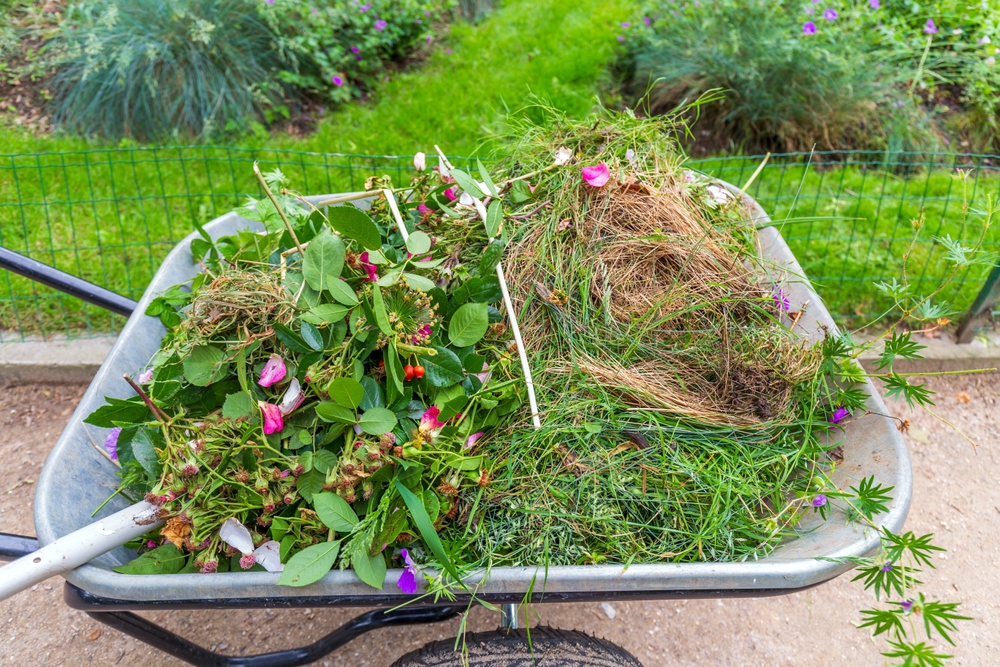
That pile of dead leaves, dried flowers, and broken twigs might look like something you should haul to the curb before winter. But what if cleaning up every last piece of garden debris actually makes your yard less healthy?
Many gardeners spend hours clearing flower beds each fall, believing that a spotless landscape will give plants a better start next spring. However, wildlife experts are increasingly encouraging homeowners to rethink that approach because some of the material we consider trash provides essential shelter, food, and protection for beneficial insects and birds.
According to the Xerces Society for Invertebrate Conservation, fallen leaves, plant stems, and brush piles provide overwintering habitat for butterflies, native bees, and other creatures that support healthy gardens.
The good news is that leaving garden debris until spring doesn’t mean abandoning your landscaping or inviting problems. Instead, it’s about knowing which materials are worth keeping, which ones should be removed, and how a little less cleanup can save money while helping wildlife survive winter.
Fallen Leaves Are More Valuable Than They Look
Those colorful leaves covering your yard provide much more than an autumn decoration before they turn brown. Butterflies, moths, and other invertebrates use leaf litter as insulation against freezing temperatures and winter weather. Luna moth cocoons, for example, can blend into fallen leaves, making them difficult to distinguish from ordinary garden debris. Rather than bagging every leaf, gently rake them into flower beds, beneath shrubs, or around established trees where they can provide protection without smothering your lawn. Leaving garden debris until spring allows these natural shelters to remain available during the months when insects are most vulnerable.
Dried Flower Stems Can Shelter Native Bees
Cutting every perennial down to ground level might make flower beds look tidy, but it can eliminate important nesting opportunities. Certain native bees use hollow or soft-centered plant stems as places to build nests and raise their young. Plants such as bee balm, sunflowers, raspberry canes, and some native wildflowers can provide suitable nesting material when their stems mature and dry. Leaving healthy stalks standing through winter also preserves potential nesting sites that bees may use during the following growing season. If you must prune for appearance or safety, consider leaving selected stems intact in less-visible sections of your garden.
Seed Heads Provide Free Food for Winter Birds
Those dried coneflowers and black-eyed Susans may have lost their colorful petals, but their usefulness doesn’t end with summer. Leaving perennial seed heads standing is recommended because they provide natural food for goldfinches and other seed-eating birds. Sunflowers, native asters, and ornamental grasses can also produce seeds that birds forage for during colder months. Unlike purchased birdseed, these natural food sources require no additional shopping trips, feeders, or regular refilling. Leaving garden debris until spring can turn ordinary flower beds into valuable feeding areas while reducing some of your seasonal gardening expenses.
Small Brush Piles Create Winter Hiding Places
Fallen branches and twigs aren’t always waste materials that need to be removed immediately. Brush piles and fallen logs provide sheltered spaces for insects and other wildlife during winter. Mourning cloak butterflies, for example, can overwinter as adults in protected spaces such as gaps within wood piles. A modest collection of branches tucked behind a hedge can create habitat without making your entire property look neglected. Keep brush piles away from buildings, walkways, and fire-prone areas, and avoid creating conditions that attract rodents close to your home.
Undisturbed Soil Protects Ground-Nesting Pollinators
Not every beneficial insect spends winter hiding above ground, and some of the most important pollinators may be sheltering beneath your garden beds. Approximately 70% of bee species nest underground, often in areas that gardeners might otherwise dig or till. Some bumble bee queens also overwinter just beneath the soil surface, where surrounding vegetation and leaf litter provide additional protection. Unless you’re preparing an essential planting area or addressing a specific problem, consider limiting unnecessary soil disturbance during fall cleanup. Preserving these underground shelters complements the benefits of leaving stems and leaves in place, creating a more complete habitat for beneficial insects.
Not All Garden Debris Should Be Saved
Although leaving garden debris until spring benefits wildlife, some materials should still be removed to protect your plants. The Xerces Society recommends removing vegetation affected by certain diseases, invasive plants, and materials that could allow damaging pests to survive into the next growing season. For example, fallen fruit may harbor developing insect pests, while diseased tomato plants can leave behind pathogens that threaten future crops. Avoid adding heavily diseased vegetation to an ordinary backyard compost pile because home composting temperatures may not reliably destroy every pathogen. Selective cleanup allows gardeners to address legitimate problems without stripping healthy flower beds of every leaf, stem, and natural shelter.
Leaf Litter Can Help Improve Garden Soil
One of the biggest financial benefits of keeping some garden debris is that nature can turn it into a useful soil amendment. Fallen leaves can help suppress weeds, retain moisture, and return nutrients to the soil as they decompose. Earthworms, millipedes, and other decomposers gradually break down organic material, contributing to the natural recycling process that supports healthy soil. Instead of purchasing additional bags of mulch for every garden bed, homeowners may be able to use leaves already available on their property. Leaving garden debris until spring can reduce yard waste while helping improve soil conditions without requiring expensive landscaping products.
Spring Cleanup Shouldn’t Start Too Early
Preserving habitat throughout winter won’t accomplish much if gardeners destroy it during the first warm weekend of spring. You should wait until later in spring before removing overwintering material because insects may still be developing inside stems or sheltering beneath leaves. A few unusually warm afternoons don’t necessarily mean that every butterfly, moth, or native bee has emerged from its winter shelter. When cleanup becomes necessary, work gradually and leave some areas undisturbed rather than removing everything at once. Remember that certain stem-nesting bees may remain inside occupied stems well beyond early spring, so preserving suitable material longer can provide additional protection.
A Wildlife-Friendly Garden Can Still Look Maintained
Homeowners sometimes worry that leaving natural debris will make their landscaping appear neglected or create problems with neighbors. However, wildlife-friendly gardening doesn’t require abandoning ordinary property maintenance. You can keep sidewalks clear, maintain healthy turf, remove hazardous branches, and manage problem plants while preserving habitat in designated garden beds. Consider creating a naturalized corner with standing perennials, fallen leaves, and a small brush pile surrounded by a neat border. This approach offers a practical compromise for homeowners who want attractive landscaping without eliminating every resource beneficial wildlife needs.
Sometimes the Best Fall Garden Chore Is the One You Skip
Leaving garden debris until spring is one of the simplest ways to support wildlife while reducing unnecessary gardening expenses. Fallen leaves protect overwintering insects, dried flower heads feed birds, and standing stems provide nesting opportunities for native bees. You don’t need to preserve diseased plants, invasive weeds, or hazardous materials, but healthy garden debris often deserves a second look before it goes into the trash. By making selective cleanup decisions, you can spend less time raking and hauling while helping your garden’s natural ecosystem remain active throughout the year.
Do you leave fallen leaves and dried plants in your garden until spring, or do you prefer clearing everything away before winter? Share your experiences and fall gardening tips in the comments.
What to Read Next
How to Plant Spring-Blooming Bulbs Before the Soil Freezes
Leave a Reply