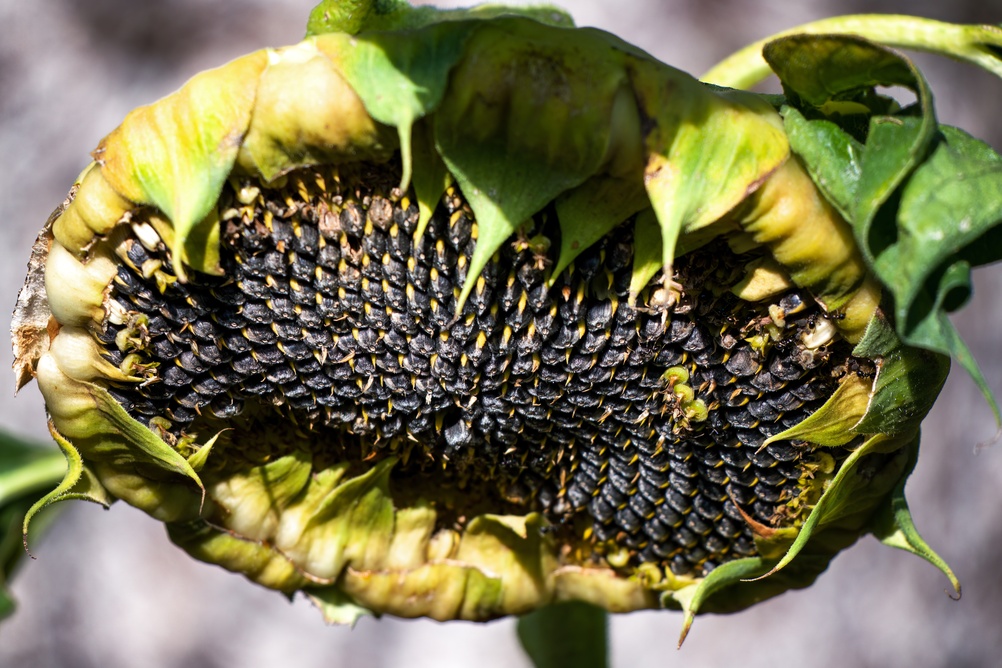
Before you grab your pruning shears and start cutting down every faded flower in your garden, there’s something worth considering: those dried, brown seed heads could be providing free meals for hungry birds all winter long.
Fall garden cleanup is practically a tradition for many homeowners, but removing every spent flower can eliminate an important food source just when wildlife needs it most. As temperatures drop and natural food becomes harder to find, seed-eating birds depend on whatever remains available in their environment.
According to the National Audubon Society, leaving native perennial flowers standing through winter provides valuable nutrition for birds, including goldfinches that feed on dried seed heads.
The best part is that leaving seed heads for birds doesn’t cost anything, requires almost no maintenance, and can actually reduce the amount of fall gardening work you need to do.
Here’s why experts recommend putting down the pruning shears and allowing at least part of your garden to remain standing until spring.
Dried Flowers Become Natural Winter Bird Feeders
Those brown, seemingly lifeless flowers still have plenty to offer once their colorful petals disappear. Seed heads from native wildflowers, including coneflowers and black-eyed Susans, provide an important food supply for birds throughout the colder months. Goldfinches, sparrows, chickadees, and other seed-eating species may visit standing plants to pick seeds directly from their dried flower centers. Unlike traditional bird feeders that require regular refilling, these natural feeding stations use food your garden has already produced. Leaving seed heads for birds is an especially practical option for gardeners who want to support wildlife without purchasing additional bags of birdseed.
Some of the Best Bird-Friendly Plants Are Already in Your Garden
You don’t necessarily need to redesign your landscaping to make your yard more welcoming to winter birds. According to North Carolina State University Extension, black-eyed Susans are particularly valuable because their dried seed heads provide food for birds after the growing season ends. Purple coneflowers, sunflowers, native asters, and certain ornamental grasses can also produce seeds that attract hungry visitors. If you already grow these plants, simply allowing some flowers to mature instead of deadheading every bloom can extend their usefulness well beyond summer. For gardeners planning next year’s landscape, choosing locally native, seed-producing perennials can create a more reliable food source that returns without requiring annual replanting.
Winter Birds Need More Than Store-Bought Birdseed
Many homeowners assume that hanging a bird feeder is the only effective way to help birds through winter. However, the National Audubon Society encourages gardeners to preserve natural food sources, including seeds from flowering plants and insects living among fallen leaves and plant debris. Different bird species have different diets, and some are more comfortable searching for food among plants than visiting a crowded feeder. Standing seed heads also allow birds to forage throughout the garden rather than gathering around one feeding location. Combining natural vegetation with optional supplemental feeders can provide more feeding opportunities while reducing your dependence on purchased birdseed.
Leaving Plant Stems Also Protects Beneficial Insects
The benefits of leaving seed heads for birds extend beyond the seeds themselves because dried plants can shelter insects throughout winter. The Xerces Society for Invertebrate Conservation explains that hollow stems, flower heads, and other standing plant material provide nesting and overwintering habitat for native bees and other beneficial insects. Some insects remain hidden inside stems or beneath nearby leaves until warmer weather returns, making aggressive fall cleanup potentially harmful to their survival. Those insects also support the broader backyard food web, providing food for insect-eating birds at different times of year. By leaving selected perennial stems standing, gardeners can help protect pollinators while supporting the birds that depend on healthy insect populations.
A Less-Tidy Garden Can Provide Better Wildlife Habitat
A perfectly manicured garden may look appealing to homeowners, but wildlife often benefits from landscapes that aren’t completely cleared each fall. Preserving fallen leaves, standing stems, and other natural materials is recommended because they provide food, insulation, and shelter for numerous species. For example, a small garden bed filled with dried coneflowers and native grasses can offer both feeding opportunities and protective cover during cold weather. You don’t have to let your entire property become overgrown to accomplish this, since even a designated wildlife-friendly corner can make a difference. Leaving seed heads for birds works particularly well when combined with native shrubs, leaf litter, and other natural features that create a more complete winter habitat.
You Can Save Money on Birdseed and Fall Cleanup
Supporting backyard wildlife doesn’t have to involve expensive feeders, specialty seed blends, or elaborate landscaping projects. By allowing seed-producing flowers to remain standing, gardeners can take advantage of food sources they’ve already paid to grow or established from previous seasons. A patch of mature sunflowers, for example, may provide numerous seeds without requiring additional purchases once the plants have finished flowering. You’ll also spend less time cutting stems, filling yard-waste bags, and hauling plant debris away during fall cleanup. While natural seed heads won’t necessarily replace supplemental feeding in every backyard, they can reduce maintenance expenses and make wildlife gardening more affordable.
Not Every Dead Plant Should Be Left Standing
Although leaving seed heads for birds offers several benefits, there are situations where removing certain plants is the better decision. You should try managing invasive weeds rather than allowing them to spread throughout wildlife-friendly gardens. Plants showing serious disease symptoms may also need removal, depending on the disease and whether infected debris could create problems during the next growing season. Avoid leaving seed heads from invasive or aggressively spreading plants that could overwhelm native vegetation or neighboring gardens. The goal isn’t to abandon garden maintenance entirely but to make thoughtful decisions about which plants provide useful winter habitat and which ones should be removed.
Wait Until Spring Before Cutting Everything Back
One of the easiest ways to help wildlife is to delay major perennial cleanup until spring rather than removing every stem in autumn. The Xerces Society recommends preserving standing plant material because it may contain overwintering insects or provide shelter for other beneficial creatures. When spring arrives, avoid rushing to clear every garden bed during the first warm afternoon, since many insects may still be inactive inside stems or leaf litter. If you need to tidy the landscape, consider cutting stems selectively and placing suitable material in an undisturbed area rather than immediately shredding or discarding everything. This approach allows gardeners to maintain an attractive property while preserving more of the habitat that birds and beneficial insects rely on.
Let Your Garden Keep Giving After the Flowers Fade
The next time you’re tempted to cut down every dried flower, remember that your garden’s usefulness doesn’t end when its colorful blooms disappear. Leaving seed heads for birds provides a natural food source during winter while helping create habitat for pollinators and other beneficial wildlife. It’s also one of the simplest money-saving gardening strategies because it reduces cleanup work and makes use of plants already growing in your yard. Start by leaving a few coneflowers, black-eyed Susans, sunflowers, or native grasses standing this fall, then watch to see which birds visit during the colder months.
Do you leave dried flowers standing for winter birds, or do you prefer cleaning up your entire garden in fall? Share your experiences and wildlife-friendly gardening tips in the comments.
What to Read Next
How to Clean Birdbaths Before Freezing Temperatures Arrive
7 Plants That Offer Seeds Birds Can Eat Through Fall
What Is the Best Way to Clean a Birdbath Without Harming Wildlife?
Leave a Reply