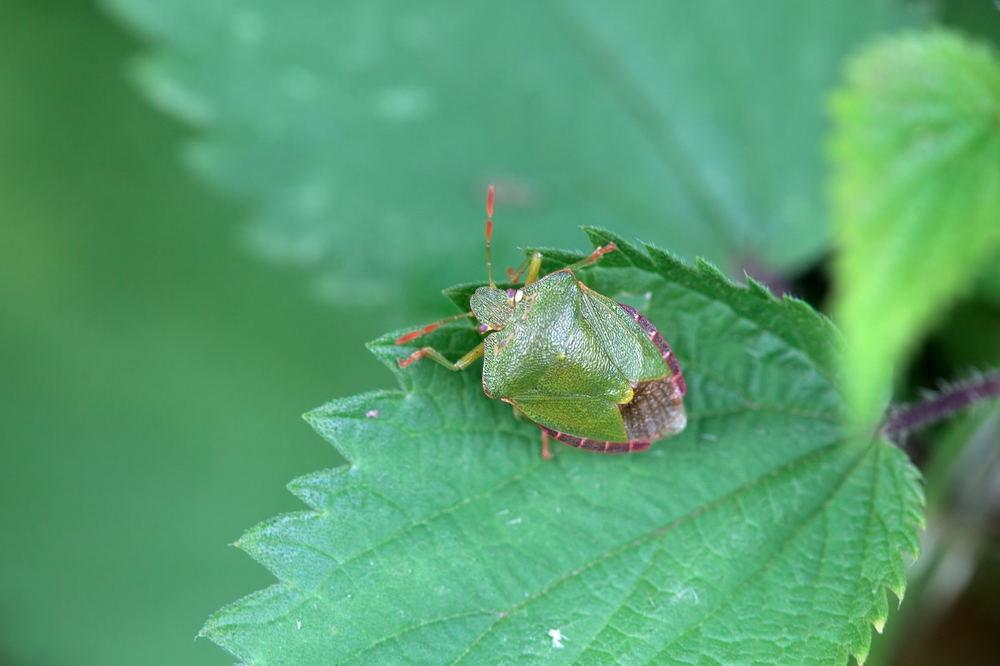
A backyard should feel like a relaxing escape, not a buffet line for unwanted insects and critters. Yet small everyday habits often create the perfect invitation for pests to settle in and stay longer than expected. Many of these issues start quietly, building up around sheds, patios, gardens, and even pet areas without immediate notice.
The good news comes from simple adjustments that keep outdoor spaces cleaner, safer, and far less appealing to bugs and rodents. These nine habits often fly under the radar, but changing them can make a major difference in how a yard feels and functions.
1. Leaving Food Scraps Outside After Meals
Outdoor meals often turn into long, enjoyable gatherings, but leftover crumbs and scraps quickly attract ants, raccoons, and flies. Even small bits of food hidden in grass or between patio cracks create strong scent trails that pests follow with ease. Garbage bags left overnight on patios or decks also release odors that travel farther than expected. Cleaning up immediately after eating prevents these scents from building and spreading. A clean eating space sends a clear signal that the area does not offer easy rewards.
Outdoor tables and grills often collect grease, sauces, and residue that linger long after guests leave. These residues act like magnets for insects searching for quick nourishment. Wiping surfaces thoroughly and rinsing grill trays reduces these attractants dramatically. Consistent cleanup habits make the yard less appealing to scavengers. Small attention to detail helps maintain a peaceful outdoor environment.
2. Overwatering Lawns And Garden Beds
Excess water creates damp soil that draws mosquitoes, slugs, and other moisture-loving pests. Standing water in low spots or plant trays becomes a breeding ground within days. Many gardeners assume extra watering helps plants, but it often creates unintended consequences. Adjusting watering schedules to match actual plant needs keeps soil healthier and drier on the surface. Balanced moisture levels support plants while discouraging pests from settling in.
Hoses left running or sprinklers set on timers without adjustment can worsen the problem quickly. Wet mulch and soggy soil also create hiding spots for insects during the day. Checking drainage around garden beds helps prevent long-term buildup of damp conditions. Even small improvements in water control reduce pest activity noticeably. A mindful watering routine supports a cleaner and more stable yard.
3. Ignoring Standing Water In Containers
Buckets, plant saucers, birdbaths, and forgotten toys often collect rainwater that sits undisturbed. Mosquitoes use these still water sources to lay eggs within a short time. Even tiny amounts of water can support rapid insect development during warm months. Regular yard checks help remove these hidden breeding spots before they become problems. Emptying containers after rainfall keeps the space far less inviting.
Outdoor storage areas often hide forgotten items that collect moisture over time. Tarps, wheelbarrows, and overturned pots easily trap water after storms. Flipping and drying these items reduces long-term pest risks. Simple inspection routines prevent these small pockets from becoming larger issues. Dry environments create fewer opportunities for insect growth.
4. Leaving Pet Food Outdoors Too Long
Pet food bowls left outside attract not only pets but also rodents, ants, and raccoons. The scent of kibble travels quickly, especially during warm weather. Even small portions left behind become easy targets for hungry pests. Feeding pets outdoors requires prompt cleanup to avoid repeated visits from unwanted animals. Removing leftover food keeps feeding areas controlled and clean.
Water bowls also create attraction points when placed near shaded or hidden areas. Rodents often follow these water sources while searching for food nearby. Moving feeding stations indoors or bringing them inside after meals reduces risk significantly. Cleaning bowls regularly prevents residue buildup that continues to attract pests. A disciplined feeding routine protects both pets and yard spaces.
5. Piling Up Yard Waste Near The Home
Leaves, grass clippings, and trimmed branches often collect near fences or foundations after yard work. These piles create warm, sheltered spaces where insects and rodents hide easily. Decomposing organic matter also provides food sources for many pests. Relocating yard waste away from the home reduces the chance of infestations. Composting in sealed or managed areas helps control this risk.
Allowing debris to sit too long encourages nesting activity underneath the surface. Insects often move deeper into these piles as temperatures change. Regular yard cleanups prevent buildup from becoming a long-term habitat. Even small piles near doorways increase the likelihood of indoor entry. Keeping waste organized supports a cleaner perimeter around the home.
6. Letting Gutters And Drains Clog With Debris
Clogged gutters trap water and create hidden pools that attract mosquitoes and insects. Leaves and twigs block proper drainage and allow moisture to linger longer than expected. Overflowing gutters also drip water near foundations, increasing damp conditions around the home. Cleaning gutters regularly prevents these issues from escalating. Proper water flow keeps pests from finding stable breeding areas.
Blocked outdoor drains can cause similar problems in garden zones and walkways. Water pooling near structures encourages ants and other insects to move closer to the home. Routine maintenance helps prevent long-term structural and pest issues. Clearing debris after storms reduces buildup significantly. Dry, well-drained areas discourage pest activity.
7. Leaving Outdoor Lights On For Long Periods
Bright outdoor lighting attracts moths, beetles, and other nighttime insects. These insects then draw predators like spiders closer to doors and windows. Constant lighting creates a cycle that keeps pests active around living spaces. Turning off unnecessary lights reduces this attraction significantly. Motion-sensor lighting offers a more controlled solution.
Warm-toned bulbs also attract fewer insects compared to bright white lighting. Positioning lights away from entry points helps reduce clustering near doors. Limiting nighttime illumination creates a calmer outdoor environment. Small lighting adjustments can shift pest behavior noticeably. A more intentional lighting setup supports a cleaner yard perimeter.
8. Neglecting Compost Bins Or Organic Waste
Uncovered compost piles release strong odors that attract flies, rodents, and insects. Food scraps mixed without proper balance create fermentation that draws pests quickly. Even well-managed compost requires attention to airflow and coverage. Sealed bins reduce odor spread and limit access points. Regular turning and monitoring keep compost healthier and less attractive.
Organic waste left in open containers becomes an easy feeding ground for wildlife. Rats and raccoons often return once they find a reliable food source. Positioning compost bins away from the home reduces risk significantly. Proper maintenance keeps decomposition controlled and contained. A disciplined compost system supports both gardening and pest prevention.
9. Allowing Clutter To Build Up In The Yard
Old furniture, unused tools, and forgotten toys create hiding spots for pests. These cluttered areas offer shade, shelter, and protection from predators. Rodents and insects often settle in undisturbed spaces first before expanding outward. Regular yard organization removes these potential habitats. Keeping outdoor areas clear reduces long-term pest pressure.
Clutter also makes inspections harder, allowing small problems to go unnoticed. Simple cleaning routines help identify early signs of infestation. Storing items properly prevents them from becoming permanent shelters. Even small improvements in organization make a noticeable difference. A clean yard limits opportunities for pests to establish themselves.
A Backyard That Works Against Pests Instead Of For Them
Backyards naturally attract wildlife, but small habits often determine whether pests stay temporary visitors or permanent residents. Simple changes like cleaning food areas, managing water, and reducing clutter create an environment that works against infestations. Consistency matters more than perfection when maintaining a pest-resistant yard. Each small improvement builds a stronger barrier over time.
Which habit makes the biggest difference in outdoor spaces, and what changes feel easiest to start?
You May Also Like…
Which Plant Pairings Naturally Reduce Pests and Improve Yields
Why Some Gardens Attract More Pests
March Garden Pests That Show Up Before You Notice the Damage
This One Winter Gardening Habit Could Be Spreading Invasive Pests Across the South
How to Catch Hidden Pests Before They Invade Your Shed This Winter

Brandon Marcus is a staff writer for FrugalGardening.com at District Media, Inc., where he delivers practical gardening advice with a relatable, no-nonsense style. An avid amateur gardener, he holds a BA degree and with over ten years of professional writing experience, he is also an award-winning published author whose first book, Questions For Deep Thinkers, was released by Adams Media. His work has appeared in major publications including Fandom.com, CHUD.com, TheColdWire.com, and Fansided.com.
Leave a Reply