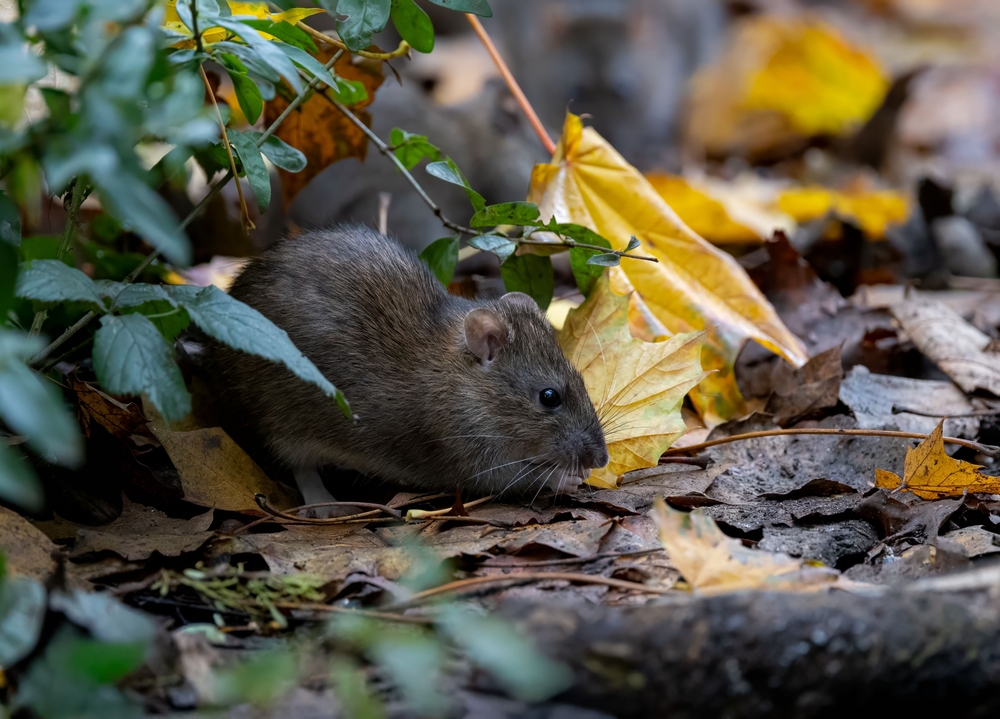
A beautiful backyard garden often feels like a private retreat filled with colorful flowers, fresh vegetables, and buzzing pollinators. Unfortunately, the same space can also become an attractive destination for some very unwelcome guests. Mice, rats, voles, and other rodents constantly search for easy food, shelter, and water sources, and many gardeners accidentally provide all three without realizing it.
The surprising part is that rodent problems often start with a gardening practice that seems completely harmless. Homeowners spend weeks planting, mulching, and maintaining their landscapes, only to discover tunnels in garden beds, chewed vegetables, damaged irrigation lines, or rodents darting across the yard after dark.
Piles of Garden Debris Create the Perfect Rodent Hideout
Many gardeners leave piles of leaves, grass clippings, sticks, or plant trimmings in a corner of the yard because they plan to use them later as mulch or compost material. While that approach may seem practical, rodents view those piles very differently. Dense piles of organic material provide warmth, cover from predators, and safe nesting locations that remain hidden from view. A mouse can build a nest inside a leaf pile long before a homeowner notices any activity. Once rodents establish themselves in one protected area, they often spread throughout the property.
Garden debris also creates easy travel corridors that allow rodents to move around unnoticed. Instead of crossing open spaces where hawks, owls, cats, or other predators might spot them, rodents stay protected beneath layers of leaves and plant material. The problem becomes even worse when food sources sit nearby. Fallen fruit, birdseed, vegetable scraps, and pet food can quickly transform a simple debris pile into a complete rodent community. Regular cleanup dramatically reduces these opportunities and makes the yard much less appealing.
Composting Mistakes Can Turn a Garden Into a Rodent Buffet
Composting remains one of the best gardening practices for improving soil health, but improper compost management often attracts rodents. Tossing kitchen scraps into an open pile without proper balance creates an irresistible food source. Fruit peels, bread, rice, and vegetable scraps release strong odors that rodents can detect from surprising distances. Once they discover an easy meal, they tend to return repeatedly.
A well-managed compost system reduces the risk significantly. Gardeners who use enclosed compost bins, turn piles regularly, and avoid adding certain food items experience far fewer rodent issues. Meat, dairy products, oily foods, and cooked leftovers attract pests much more aggressively than yard waste alone. Even vegetable gardens with healthy compost systems benefit from strategic placement away from structures and frequent monitoring. Compost should feed the soil, not the local rodent population.
Overgrown Garden Beds Offer Safety and Shelter
Lush gardens look fantastic during peak growing season, but excessive overgrowth creates ideal rodent habitat. Thick ground covers, tangled vines, and densely packed ornamental grasses provide excellent concealment. Rodents prefer areas where they can move freely while remaining hidden from predators. The more cover available, the more comfortable they become.
Gardeners often notice rodent activity increasing in neglected corners where plants spread unchecked. A vegetable bed packed tightly with sprawling plants may produce a good harvest, but it can also shelter mice and rats. Strategic pruning, proper plant spacing, and regular maintenance improve airflow while reducing hiding spots. These practices support healthier plants and discourage unwanted visitors at the same time. A tidy garden remains attractive to people while becoming less attractive to pests.
Fallen Fruit and Harvest Delays Send Rodents an Invitation
Fruit trees and vegetable gardens often provide an accidental feast for rodents. Apples, pears, peaches, tomatoes, melons, and other produce that falls to the ground quickly attract wildlife. Even a few pieces of rotting fruit can create a powerful draw. Rodents appreciate easy meals that require little effort to access.
Many homeowners focus on harvesting what remains on the plant while overlooking produce that drops beneath it. That oversight creates a steady food supply that encourages rodents to stay nearby. Frequent harvesting and prompt cleanup reduce the temptation. Gardeners with fruit trees should make a habit of checking the ground regularly during harvest season. Removing damaged or fallen produce keeps the yard cleaner and helps prevent rodent populations from growing.
Excess Mulch Can Become a Rodent Highway
Mulch delivers several benefits, including moisture retention, weed suppression, and soil temperature regulation. Problems arise when gardeners apply mulch too deeply or pile it directly against structures. Thick mulch layers create protected pathways where rodents can travel undetected. They also provide nesting opportunities close to homes, sheds, and garages.
Many landscaping experts recommend keeping mulch at a moderate depth and maintaining a small gap between mulch and building foundations. Rodents often use heavily mulched areas to move between food sources and nesting sites. A garden may look polished with thick mulch everywhere, but moderation produces better results. Careful application protects plants while limiting the shelter rodents seek.
Bird Feeders Often Contribute to the Problem
Bird feeders bring colorful visitors to the backyard, but spilled seed frequently attracts rodents. Mice and rats happily gather beneath feeders each night, taking advantage of the steady food supply. Homeowners may blame the garden when the actual problem originates a few feet away.
The solution does not require removing feeders entirely. Using catch trays, cleaning spilled seed regularly, and selecting feeder designs that reduce waste can help substantially. Positioning feeders away from garden beds also limits the connection between food sources and potential nesting areas. Many gardeners notice a sharp decline in rodent activity after making these simple changes. Small adjustments often deliver surprisingly effective results.
A Smarter Garden Keeps Rodents Looking Elsewhere
Gardens should attract butterflies, bees, and birds—not mice and rats. The most common mistake involves creating food-rich hiding places through debris piles, neglected produce, overgrown plantings, excessive mulch, and poorly managed compost. Rodents look for easy opportunities, and gardens sometimes provide exactly what they need.
The good news is that preventing rodent problems rarely requires harsh measures. Consistent maintenance, prompt cleanup, thoughtful composting, and strategic landscaping can make a backyard far less inviting. A garden that stays tidy, productive, and well-managed supports healthy plants while encouraging rodents to search for shelter somewhere else.
What changes have you made to keep rodents out of your garden, and which methods have worked best in your backyard?
You May Also Like…
11 Things Rodents Use to Sneak Into Your Garden Shed
Which Plant Pairings Naturally Reduce Pests and Improve Yields
This One Winter Gardening Habit Could Be Attracting Rats—Here’s How to Fix It Fast
10 Backyard Bugs You Never Want to Ignore
9 Backyard Bugs That Can Damage Plants Before Summer

Brandon Marcus is a staff writer for FrugalGardening.com at District Media, Inc., where he delivers practical gardening advice with a relatable, no-nonsense style. An avid amateur gardener, he holds a BA degree and with over ten years of professional writing experience, he is also an award-winning published author whose first book, Questions For Deep Thinkers, was released by Adams Media. His work has appeared in major publications including Fandom.com, CHUD.com, TheColdWire.com, and Fansided.com.
Leave a Reply