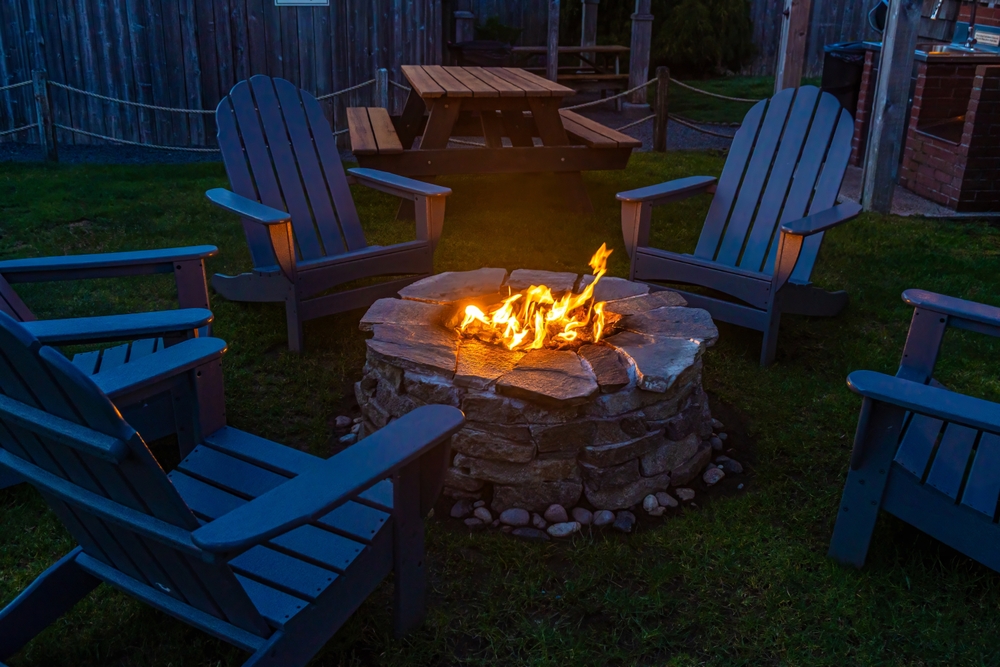
Backyard fire pits have become the centerpiece of outdoor living. They create a cozy gathering spot, extend patio season, and give homeowners a simple way to enjoy evenings outdoors. Social media feeds overflow with beautiful fire pit installations surrounded by comfortable seating, string lights, and perfectly landscaped yards. The trend has exploded as more people invest in creating outdoor spaces that feel like an extension of the home.
Yet not everyone celebrates the growing popularity of backyard fire features. Fire departments, insurance professionals, and landscape experts have raised concerns about how many homeowners install or use fire pits without considering the risks. A fire pit can add warmth and ambiance, but it can also create hazards that many people overlook.
Fire Pits Are Showing Up in More Backyards Than Ever
The popularity of backyard fire pits reflects a larger movement toward outdoor living. Homeowners increasingly view patios, decks, and gardens as valuable living spaces rather than areas used only occasionally. Fire pits naturally fit into this trend because they encourage people to spend more time outside during cooler months. Many homeowners see them as an affordable alternative to larger outdoor renovations. Retailers now offer everything from portable metal fire bowls to elaborate stone installations that rival luxury resort designs.
This rapid growth has also created a wave of first-time fire pit owners. Many buyers purchase inexpensive models online or from home improvement stores and start using them immediately. Unfortunately, some people never read safety instructions or local regulations. Landscape professionals often encounter fire pits placed too close to fences, trees, sheds, or homes. These seemingly small mistakes can create significant risks when flames, sparks, or embers enter the picture.
Small Mistakes Can Lead to Big Problems
Many homeowners assume a fire pit poses little danger because it remains relatively small. Experts warn that this assumption creates one of the biggest safety issues. Even a modest fire can throw sparks several feet through the air, especially during windy conditions. Dry mulch, decorative grasses, leaves, and wooden structures can ignite much faster than people expect. A relaxing evening can quickly become a dangerous situation if conditions change unexpectedly.
Fire departments frequently respond to outdoor fires that started from improperly managed fire pits. In many cases, homeowners leave fires unattended for only a few minutes. Others underestimate how long embers remain hot after flames disappear. Those glowing coals can reignite nearby materials hours later. Safety professionals recommend maintaining a clear zone around fire pits and fully extinguishing every fire before heading indoors for the night.
Landscaping Choices Can Increase the Risk
Beautiful landscaping and fire pits often appear together in backyard designs, but that combination sometimes creates hidden dangers. Ornamental grasses, dried flowers, mulch beds, and evergreen shrubs can all serve as fuel if sparks land nearby. Some homeowners place fire pits directly beside lush plantings because the arrangement looks attractive in photographs. Landscape experts frequently recommend increasing separation distances between fire features and combustible plants.
Certain materials around fire pits also deserve closer attention. Rubber mulch, wood chips, and decorative bark products can ignite under the right conditions. Even furniture cushions and outdoor rugs may contribute to a fire if sparks reach them. A safer design often includes noncombustible materials such as gravel, stone, brick, or concrete in the immediate area surrounding the fire pit. These materials help reduce the chances of a stray ember starting a larger fire.
Smoke Is Becoming a Neighborhood Issue
Safety concerns are not the only reason some experts feel uneasy about the trend. Smoke complaints have increased in many communities as backyard fire pit use becomes more common. While homeowners may enjoy sitting around a crackling fire, neighbors sometimes experience a different reality. Smoke can drift into nearby homes, patios, and open windows, creating frustration and potential health concerns.
People with asthma, allergies, or respiratory conditions often feel the effects most strongly. Even occasional exposure can cause discomfort for sensitive individuals. Some municipalities have responded by introducing stricter rules regarding outdoor burning. Homeowners who ignore local regulations may face fines or complaints from neighbors. Before installing a fire pit, checking local ordinances can help prevent conflicts and ensure responsible use.
Insurance Companies Are Paying Attention
Insurance providers have noticed the rise in backyard fire features as well. While many policies cover fire-related damage, insurers often expect homeowners to follow basic safety standards. Improper installation or negligent use could complicate claims in certain situations. Experts recommend reviewing insurance policies and discussing major backyard upgrades with providers before installing permanent fire features.
The financial consequences of a fire pit accident can extend far beyond replacing the fire pit itself. Property damage, fence repairs, landscaping replacement, and even liability claims can quickly become expensive. Homeowners sometimes focus entirely on the purchase price of a fire pit while overlooking the larger financial risks associated with improper use. Taking safety precautions from the beginning remains far less expensive than dealing with a preventable accident later.
Creating a Safer Backyard Gathering Space
The concerns surrounding fire pits do not mean homeowners need to abandon the idea altogether. Many experts agree that fire pits can remain safe and enjoyable when people follow established guidelines. Proper placement, regular maintenance, and close supervision dramatically reduce risk. Homeowners should keep water, sand, or a fire extinguisher nearby and avoid burning during windy weather conditions.
Choosing the right fuel also matters. Seasoned hardwood typically burns cleaner than many alternatives and produces fewer sparks than some softwoods. Regularly removing ash buildup can improve safety and performance. Homeowners who prioritize safe practices often enjoy years of outdoor gatherings without incidents. The key lies in treating a backyard fire pit with the same respect given to any other open flame.
The Warm Glow Comes With Responsibility
Backyard fire pits continue to transform outdoor spaces across the country, and their popularity shows little sign of slowing down. They create inviting gathering areas, encourage outdoor entertaining, and add charm to gardens and patios. At the same time, experts continue to raise legitimate concerns about safety, smoke, landscaping hazards, and financial risks. A beautiful fire feature can enhance a property, but only when homeowners balance aesthetics with careful planning and responsible use.
What safety precautions do you think every homeowner should take before lighting a backyard fire pit? We want to hear your advice below in the comments section.
You May Also Like…
Local Fire Marshals Are Urging Gardeners to Rethink This Popular Landscaping Habit
The Backyard Gardening Rule That Could Save You Hundreds on Water Bills
10 Cheap Backyard Ideas That Look Surprisingly Expensive
Why Overwatering Is More Dangerous Than Underwatering
The Hidden Dangers of Overwatering in Cooler Months

Brandon Marcus is a staff writer for FrugalGardening.com at District Media, Inc., where he delivers practical gardening advice with a relatable, no-nonsense style. An avid amateur gardener, he holds a BA degree and with over ten years of professional writing experience, he is also an award-winning published author whose first book, Questions For Deep Thinkers, was released by Adams Media. His work has appeared in major publications including Fandom.com, CHUD.com, TheColdWire.com, and Fansided.com.
Leave a Reply