
Holidays are magical. They bring family together, fill your home with delicious aromas, and leave you with an overwhelming amount of leftover scraps. Between turkey bones, pumpkin peels, and mountain-high piles of vegetable trimmings, your kitchen can feel like a mini landfill by the time the last guest leaves.
But here’s the secret: all that waste can become gold for your garden. Composting isn’t just good for the environment—it’s a sneaky way to transform your holiday chaos into a thriving backyard paradise.
1. Turn Vegetable Scraps Into Rich Compost
Carrot tops, celery ends, onion peels—don’t toss them! Chop your leftover vegetables and add them to your compost pile. They break down quickly and provide essential nutrients that plants crave. Make sure to mix them with brown materials like cardboard or dried leaves to balance moisture. In just a few weeks, these scraps will turn into a dark, earthy compost ready to feed your garden.
2. Fruit Peels Are Garden Gold
Banana peels, apple cores, citrus rinds—they’re perfect for composting. Fruit scraps are full of potassium and other nutrients that boost flowering plants and vegetables. Avoid adding large amounts of citrus at once, as acidity can slow down decomposition. Chop or blend them to speed up the process and prevent pests. Soon, your garden will have an all-natural fertilizer straight from your holiday table.
3. Coffee Grounds Can Boost Soil Health
Don’t toss your leftover coffee grounds into the sink. They’re an excellent source of nitrogen for your compost. Sprinkle them over your pile or mix them into the soil directly around plants. Grounds also improve soil structure, helping it retain moisture while enhancing drainage. Your garden will thank you with greener leaves and more robust growth.
4. Eggshells Add Calcium and Strength
Crack those eggshells into your compost bin instead of the trash. They’re a slow-release source of calcium, which strengthens plant cell walls. Crush the shells to speed up decomposition and prevent pests. They’re particularly useful for tomatoes, peppers, and other calcium-loving plants. Over time, your soil becomes stronger, healthier, and more productive.
5. Leftover Herbs Can Enrich Your Soil
Fresh herbs that go unused after holiday meals don’t need to be thrown away. Basil, rosemary, thyme, and parsley can be chopped and added directly to compost. They decompose quickly and release aromatic compounds that may even deter some pests. Mix them with brown materials to maintain proper airflow in your pile. Your garden benefits from the extra nutrients and a fragrant soil boost.
6. Stale Bread and Crackers Are Compostable Too
Those extra slices of bread or holiday crackers can go straight into your compost. Break them into small pieces to help them break down faster. While they’re technically carbon-rich materials, balance them with greens like vegetable scraps. Avoid adding bread that has mold or preservatives in excess, as it can attract unwanted critters. Soon, your compost will be a nutrient-rich, crumbly treasure for your plants.
7. Nut Shells Can Be Added Carefully
Walnuts, almonds, and other nut shells may seem tough, but they can compost over time. Crush them first to speed up decomposition. Keep in mind that some shells, like black walnut, contain juglone, which can inhibit plant growth—use sparingly. Mixed in with softer green materials, nut shells provide structure to your compost. Your pile will slowly break them down into organic matter that strengthens soil texture.
8. Turkey Bones Are Perfect for Long-Term Composting
Leftover turkey or chicken bones might seem intimidating, but they’re full of phosphorus and calcium. Chop them into smaller pieces or simmer them to soften before adding to a hot compost pile. They decompose slowly, making them a great long-term nutrient source. Always bury bones deep to avoid attracting wildlife. Eventually, they break down into mineral-rich compost that benefits fruiting plants.
9. Pumpkin and Squash Scraps Can Be Composted
Pumpkin guts, rind, and squash peels make excellent compost ingredients. They are high in moisture and nitrogen, which accelerates decomposition. Cut them into small chunks to prevent pests and promote faster breakdown. Mix with dry leaves or shredded paper for a balanced compost. In a few months, your pile transforms into rich, velvety soil perfect for next year’s garden.
10. Onion and Garlic Skins Add Powerful Nutrients
Don’t discard onion skins or garlic peels—they’re packed with antioxidants and nutrients. They decompose relatively slowly, so chop them up for faster integration. Add them evenly to your compost to avoid overwhelming the pile. Their natural compounds may even help repel certain garden pests. Your soil gains depth and health, ready to nurture your plants.
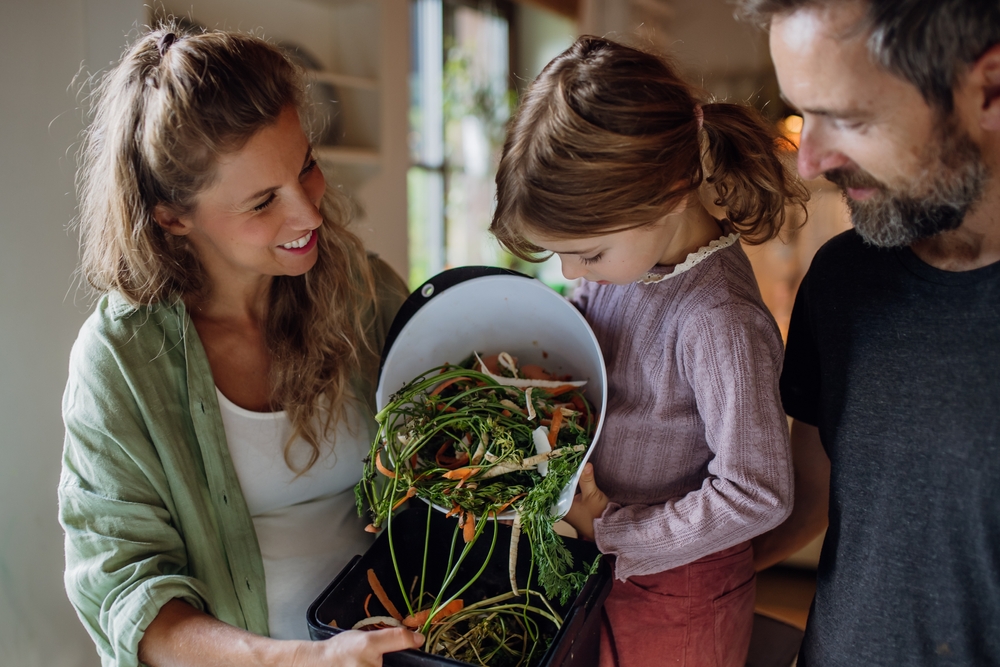
11. Cheese Scraps Can Be Composted Sparingly
Cheese leftovers can go into compost, but moderation is key. Too much dairy can attract rodents and create odor issues. Cut cheese into small pieces and bury them in the center of your compost. Microbes will gradually break down the proteins and fats. When balanced correctly, dairy adds richness that enhances soil fertility.
12. Tea Bags Make Great Organic Material
Used tea bags are a gardener’s secret weapon. They are rich in nutrients and microbial-friendly fibers. Remove any synthetic strings or staples before composting. Tear open the bags to speed decomposition and mix them well with other compost materials. Your garden soil gains organic matter that supports plant growth and water retention.
13. Citrus Zest Can Boost Compost Aroma and Nutrients
Citrus peels are often overlooked, but their zest is gold for compost piles. They provide acidity and essential oils that stimulate microbial activity. Chop peels finely and add sparingly to avoid slowing decomposition. Mix with plenty of brown material to balance moisture. In time, your compost smells earthy and delightful while enriching your garden soil.
Transform Holiday Waste Into Garden Gold
Holiday kitchen waste doesn’t have to end up in a landfill. By using these 13 composting ideas, you can turn scraps into nutrient-rich soil that nourishes your garden. Each peel, shell, or leftover bite contributes to a thriving backyard ecosystem.
Composting is an easy, rewarding, and eco-friendly way to make the most of your holiday leftovers. Tell us your composting triumphs or creative hacks in the comments section below.
You May Also Like…
12 Ways to Build Soil Over Winter Using Leaves, Compost & More
Use These 8 Winter Composting Tips for Gardeners
The Bed-Cleaning Trick That Makes Your Compost Work Twice as Fast
How to Build a Garden Routine That Works While It’s Too Cold to Dig
6 Indoor Herb Gardens Perfect for the Holiday Season

Brandon Marcus is a staff writer for FrugalGardening.com at District Media, Inc., where he delivers practical gardening advice with a relatable, no-nonsense style. An avid amateur gardener, he holds a BA degree and with over ten years of professional writing experience, he is also an award-winning published author whose first book, Questions For Deep Thinkers, was released by Adams Media. His work has appeared in major publications including Fandom.com, CHUD.com, TheColdWire.com, and Fansided.com.
Leave a Reply