Late spring planting opens the door to a garden that doesn’t waste time. Warm soil speeds up germination, longer daylight hours push growth forward, and certain flowers respond with impressive speed. Gardeners who want color without waiting all season often turn to fast-blooming varieties that thrive when planted just a little later than usual.
These flowers don’t just grow quickly; they also bring bold color, pollinator activity, and a sense of instant reward to outdoor spaces. A well-chosen mix can turn even a bare patch of soil into a vibrant display in just a few weeks. The key lies in picking varieties that naturally favor rapid growth cycles and sunny conditions.
1. Zinnias Bring Instant Color Explosion to Any Garden Bed
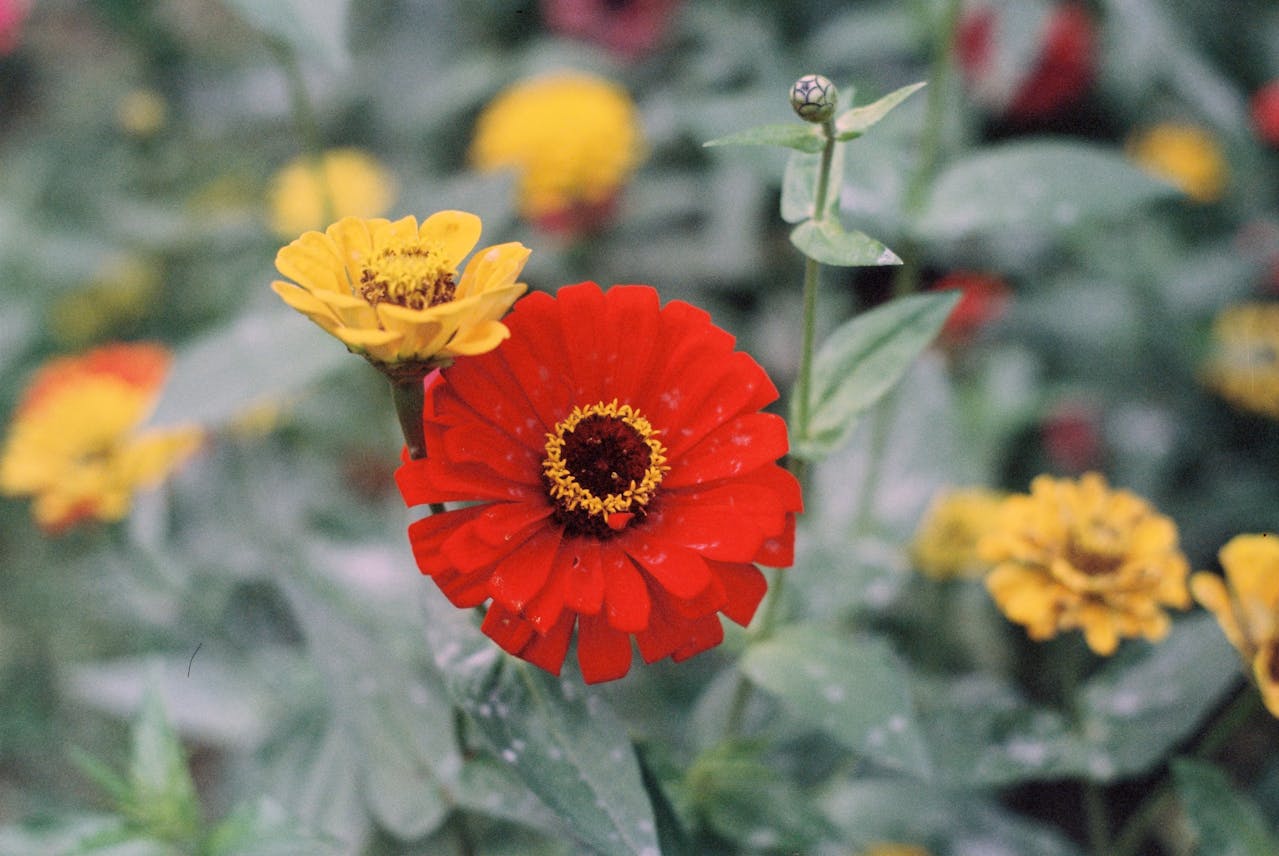
Zinnias deliver some of the fastest and boldest blooms after late spring planting. Their seeds germinate quickly in warm soil and reward gardeners with a rainbow of colors ranging from fiery reds to soft pastels. These flowers thrive in full sun and handle heat like champions, which makes them ideal for summer transitions. Zinnias also attract butterflies, turning any garden into a lively pollinator hub. Their upright growth habit allows them to stand out beautifully in borders or container displays.
Zinnias also offer a practical advantage for low-maintenance gardening. They resist drought once established and continue blooming even when other flowers slow down in heat. Cutting spent blooms encourages even more flower production, which keeps the display fresh for weeks. Gardeners often use zinnias as a “quick fill” plant to patch bare spaces in flower beds. Their reliability makes them a go-to choice for fast garden impact.
2. Marigolds Deliver Reliable Blooms With Minimal Effort
Marigolds grow quickly after planting and typically bloom within 6 to 8 weeks, making them one of the most dependable fast-blooming flowers. Their seeds sprout easily in warm soil, and seedlings establish strong roots without special treatment. Bright orange, yellow, and gold tones bring instant warmth to garden spaces. Many gardeners rely on marigolds for both beauty and pest-repelling benefits. Their strong scent helps deter common garden pests naturally.
Marigolds also thrive in a wide range of soil conditions, which makes them incredibly beginner-friendly. They tolerate heat, resist dry spells, and continue flowering without constant care. Regular deadheading extends their blooming season and keeps plants compact and full. Their versatility allows them to shine in garden beds, borders, and even vegetable patches. Few flowers deliver so much color with so little effort.
3. Cosmos Add Light, Airy Blooms That Appear in Weeks
Cosmos flowers grow rapidly after late spring planting and usually bloom within 8 to 10 weeks. Their delicate, daisy-like petals sway beautifully in the breeze, adding movement to garden designs. These flowers thrive in poor to average soil, which means they often perform better with less intervention. Cosmos also attract bees and butterflies, supporting pollinator health in any garden space. Their tall, airy structure creates a soft, meadow-like effect.
Cosmos require very little maintenance once they start growing. Overwatering can actually reduce blooming, so they perform best with a light touch. They self-seed in many climates, which can lead to natural garden expansion over time. Cutting flowers for arrangements encourages more blooms and extends their display season. Their effortless charm makes them a favorite for relaxed, natural-style gardens.
4. Sunflowers Shoot Up Fast and Command Attention
Sunflowers grow with impressive speed after late spring planting. Their towering stems and large flower heads create an instant focal point in any garden. These plants thrive in full sun and warm soil, which accelerates their already rapid growth cycle. Birds and pollinators flock to sunflowers, adding life and movement to outdoor spaces. Their dramatic presence makes them ideal for visual impact.
Sunflowers also offer practical benefits beyond beauty. Many varieties produce edible seeds that attract wildlife or support home harvesting. Their strong stems handle wind and heat well once fully grown. Gardeners often plant them along fences or back borders to create natural screens. Their combination of speed and stature makes them a standout choice for late spring planting.

5. Nasturtiums Grow Quickly While Adding Edible Beauty
Nasturtiums germinate rapidly in warm soil and often bloom within 6 to 8 weeks after planting. Their trailing or bushy growth habit makes them versatile in garden beds, containers, and hanging baskets. Bright orange, red, and yellow flowers add a cheerful splash of color. Both the leaves and flowers offer edible qualities with a peppery flavor that enhances salads. Their dual-purpose nature makes them both decorative and functional.
Nasturtiums thrive in poorer soil, which encourages more blooms and fewer leaves. Over-fertilizing actually reduces flowering, so minimal care produces the best results. They also help repel certain pests, making them useful companion plants in vegetable gardens. Their fast growth fills empty spaces quickly, preventing weeds from taking hold. Few plants combine speed, beauty, and usefulness so effectively.
6. Calendula Brings Fast Healing Color to Garden Spaces
Calendula, often called pot marigold, blooms quickly after late spring planting, usually within 6 to 8 weeks. Its bright orange and yellow petals bring warmth to garden beds and herb gardens alike. This plant thrives in cooler parts of late spring but adapts well as temperatures rise. Many gardeners value calendula for its traditional herbal uses and skin-soothing properties. Its steady blooming cycle continues through much of the summer with proper care.
Calendula prefers full sun but tolerates partial shade in hotter climates. Regular deadheading keeps flowers coming and prevents early seeding. It also self-seeds easily, which allows it to return in future seasons. The plant works well in both ornamental and practical garden designs. Its combination of beauty and usefulness makes it a smart addition to any quick-bloom garden plan.
A Garden That Blooms Fast and Stays Vibrant All Season
Fast-blooming flowers transform late spring planting into an opportunity rather than a delay. Zinnias, marigolds, cosmos, sunflowers, nasturtiums, and calendula each bring their own strengths, from bold color to edible benefits and pollinator support. These plants thrive in warm soil and respond quickly to sunlight, creating visible progress in just weeks. Gardeners who choose these varieties enjoy a longer, more colorful season without complicated care routines. Thoughtful selection turns even a late start into a thriving outdoor space filled with life and movement.
What flower would you add first to a late spring garden for instant color impact? Give us your ideas and opinions in our comments.
You May Also Like…
The Neighborhood Seed Library: How Your Neighbors are Funding Your Garden
Microgreens: The High-Nutrition Superfood You Can Grow in a Takeout Container
How to Boost Pollinators Without Adding Flowers
6 Flowers That Self-Seed and Return Without Effort
9 Flowers That Thrive With Less Fertilizer Than You Think

Brandon Marcus is a staff writer for FrugalGardening.com at District Media, Inc., where he delivers practical gardening advice with a relatable, no-nonsense style. An avid amateur gardener, he holds a BA degree and with over ten years of professional writing experience, he is also an award-winning published author whose first book, Questions For Deep Thinkers, was released by Adams Media. His work has appeared in major publications including Fandom.com, CHUD.com, TheColdWire.com, and Fansided.com.
Leave a Reply