There is no reason to spend a dime on fancy fertilizers when a powerful, plant-loving solution already sits in the backyard. Compost tea doesn’t whisper its benefits—it delivers them loudly, feeding soil, boosting growth, and turning ordinary gardens into thriving ecosystems without draining a wallet. While glossy bottles promise miracles, this simple brew quietly outperforms many store-bought options with nothing more than scraps, water, and a little patience. The idea feels almost rebellious in a world obsessed with buying more, yet it works beautifully and consistently.
Gardeners chasing lush greens and bigger harvests often overlook the simplest tools right under their noses. Compost tea flips the script by turning everyday waste into a liquid gold that plants actually recognize and use. It doesn’t rely on synthetic additives or complicated formulas, and it doesn’t require expert-level knowledge to get right. Instead, it leans on nature’s own system, which has fueled plant life for millions of years without a single trip to the garden center.
The Brew That Turns Scraps Into Garden Gold
Compost tea sounds fancy, but the process stays refreshingly simple and approachable for any skill level. This liquid fertilizer forms by steeping finished compost in water, allowing beneficial microorganisms and nutrients to infuse into the liquid. Those microorganisms include bacteria and fungi that help break down organic matter and make nutrients more available to plants. When poured into soil or sprayed onto leaves, the tea acts like a booster shot for plant health. It strengthens root systems, improves nutrient absorption, and even supports plants in fighting off certain diseases. That combination makes it far more than just watered-down compost—it becomes a living, active solution.
The beauty of compost tea lies in its flexibility and forgiving nature. A basic version only needs compost, water, and time, yet more advanced gardeners sometimes add ingredients like molasses to feed microbial growth. Even without extras, the tea delivers impressive results when brewed correctly. Oxygen plays a key role, especially in aerated versions, because beneficial microbes thrive in oxygen-rich environments. A simple bucket stirred occasionally still produces a solid batch, though a bubbler can elevate the mix for those who want to take things further. Regardless of the setup, the goal stays the same: extract the life from compost and deliver it directly to plants in a form they can immediately use.
How to Make Compost Tea Without Overthinking It
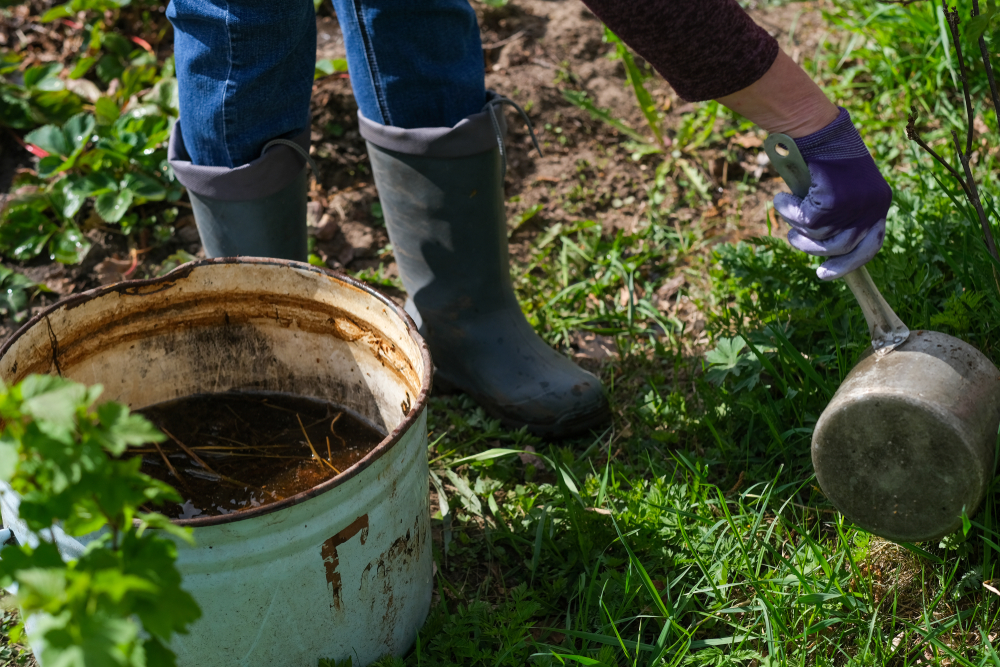
Creating compost tea doesn’t require a chemistry degree or specialized tools, and that simplicity keeps it appealing for beginners and seasoned gardeners alike. Start with a bucket of water, preferably non-chlorinated, since chlorine can harm beneficial microbes. Add a generous scoop of finished compost, placing it directly into the water or inside a breathable bag like an old cloth sack. Let the mixture steep for 24 to 48 hours, stirring occasionally to keep things moving and oxygen circulating. During that time, the water transforms into a nutrient-rich liquid packed with microscopic life.
The process rewards patience, but it doesn’t demand perfection, which makes it easy to experiment and adjust. A darker color and earthy smell signal a successful brew, while unpleasant odors suggest the need for more oxygen or fresher compost. Once ready, strain the liquid if necessary and apply it directly to soil or as a foliar spray. Use it immediately for the best results, since the microbial activity peaks right after brewing. That immediacy adds a fresh, dynamic element to gardening that pre-packaged products simply cannot replicate. With each batch, gardeners gain a better feel for the process, turning what started as an experiment into a reliable routine.
Why Plants Absolutely Love This Stuff
Plants don’t just tolerate compost tea—they thrive on it in ways that often surprise even experienced gardeners. The tea delivers nutrients in a form that plants can absorb quickly, which leads to noticeable improvements in growth and vitality. Leaves often appear greener, stems grow stronger, and overall resilience improves when compost tea becomes part of a regular routine. The microbial life in the tea plays a major role, forming symbiotic relationships with plant roots that enhance nutrient uptake. That interaction creates a healthier soil ecosystem, which supports plants long after the tea itself disappears.
Beyond growth, compost tea can help protect plants from certain diseases by introducing beneficial microbes that compete with harmful pathogens. This natural defense system reduces the need for chemical treatments and keeps gardens more balanced overall. Soil structure also improves over time, allowing better water retention and root penetration. These changes don’t happen overnight, but consistent use builds a foundation that pays off season after season. That long-term impact makes compost tea one of the smartest zero-cost tools available to anyone serious about growing healthier plants.
Common Mistakes That Can Ruin a Good Brew
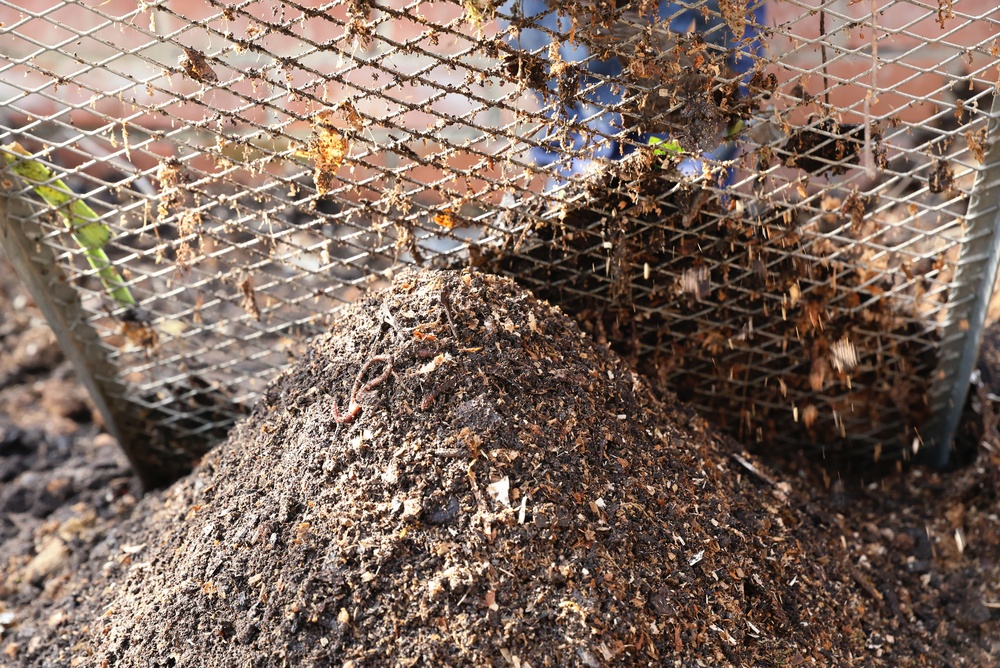
Compost tea may feel simple, but a few missteps can turn a promising batch into something less effective or even harmful. Using unfinished compost ranks as one of the most common mistakes, since it can introduce harmful pathogens instead of beneficial microbes. Always choose fully decomposed compost that smells earthy and looks dark and crumbly. Another issue comes from neglecting oxygen, especially in non-aerated setups where stagnant water can encourage unwanted bacteria. Regular stirring or adding an aeration device keeps the brew lively and beneficial.
Timing also plays a critical role in success, as leaving the tea too long can cause microbial populations to decline or shift in the wrong direction. Stick to that 24 to 48-hour window for the best results and use the tea soon after brewing. Applying it under harsh sunlight can reduce its effectiveness, so early morning or late afternoon works best. Overuse can also backfire, since plants benefit more from consistent, moderate applications than from occasional heavy doses. Paying attention to these details keeps the process smooth and ensures every batch delivers the benefits it promises.
Smart Ways to Use Compost Tea for Maximum Impact
Applying compost tea strategically can make a noticeable difference in how plants respond and grow. Soil drenching works well for strengthening root systems, especially during planting or early growth stages. Pouring the tea directly around the base of plants allows nutrients and microbes to reach the root zone quickly. Foliar spraying offers another powerful option, coating leaves with beneficial organisms that can help protect against certain diseases. A simple spray bottle or garden sprayer does the trick, making the process quick and efficient.
Consistency matters more than intensity when it comes to compost tea, so regular applications every couple of weeks can yield impressive results. Pairing it with good gardening practices, such as proper watering and mulching, amplifies its benefits even further. Gardeners growing vegetables often notice improved yields and flavor, while ornamental plants display more vibrant blooms and foliage. Even struggling plants can bounce back with steady use, showing renewed growth and strength over time. That versatility makes compost tea a go-to solution for nearly any type of garden.
The Zero-Dollar Secret That Changes Everything
Compost tea proves that effective gardening doesn’t require expensive inputs or complicated systems. This simple brew transforms everyday waste into a powerful resource that supports healthier plants and richer soil. It delivers real, measurable benefits without relying on synthetic chemicals or costly products. That combination makes it one of the most accessible and rewarding techniques available today. Anyone willing to try it can see the difference with just a little effort and curiosity.
What kind of results could show up after a few weeks of using compost tea, and what twists or additions might take it even further? We want to hear your thoughts, ideas, or go-to garden tricks in the comments.
You May Also Like…
How to Make Compost Tea to Improve Soil Health
5 Warning Signs Your Compost Is Too Wet and Losing Nutrients
Why Your Compost Isn’t Heating Up and How to Fix It Fast
13 Composting Ideas to Use Holiday Kitchen Waste in Your Garden
The Cheapest Way to Build a Compost Bin

Brandon Marcus is a staff writer for FrugalGardening.com at District Media, Inc., where he delivers practical gardening advice with a relatable, no-nonsense style. An avid amateur gardener, he holds a BA degree and with over ten years of professional writing experience, he is also an award-winning published author whose first book, Questions For Deep Thinkers, was released by Adams Media. His work has appeared in major publications including Fandom.com, CHUD.com, TheColdWire.com, and Fansided.com.
Leave a Reply