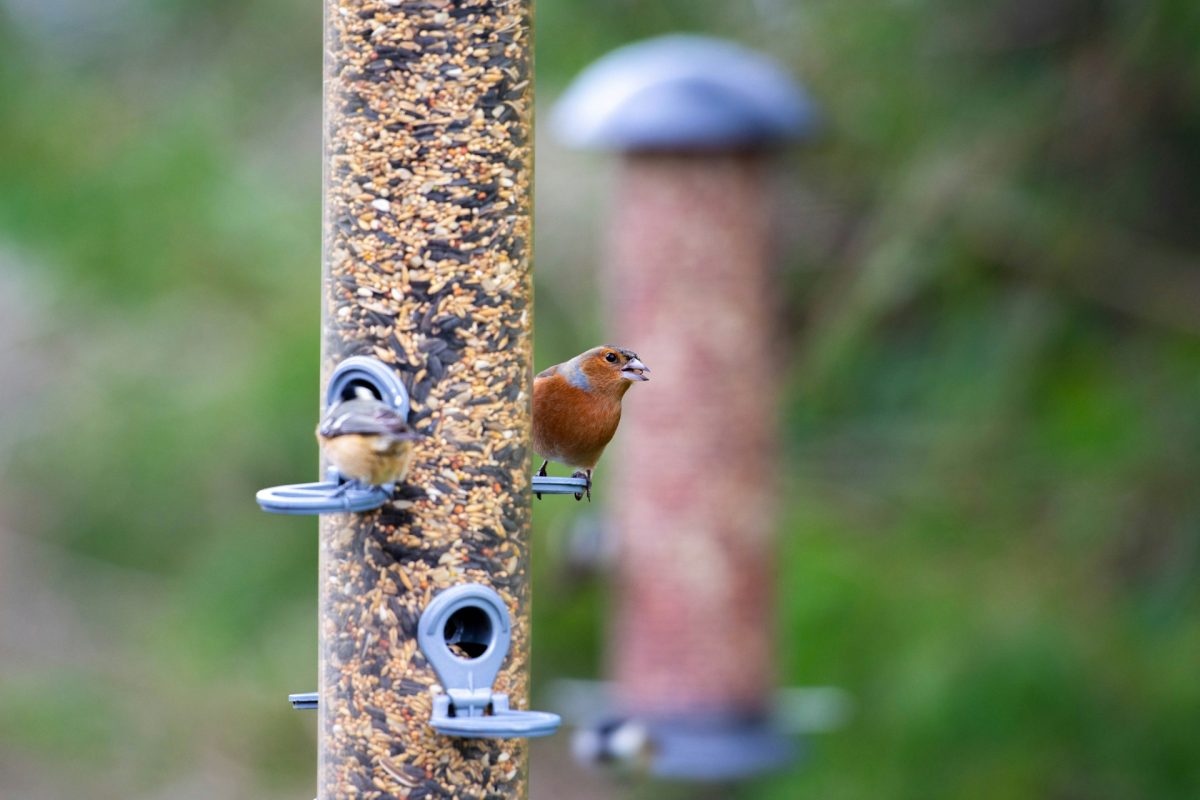
A backyard bird feeder should never become a disease hotspot, yet wildlife officials across several states have raised urgent concerns about salmonella linked to contaminated birdseed and certain additives. What seems like a harmless boost to attract more colorful visitors can quickly turn into a health risk for birds and humans alike. The issue does not stem from bird feeding itself but from improper seed handling, low-quality additives, and poor feeder hygiene that create ideal conditions for bacteria to spread.
Salmonella bacteria can infect wild birds, especially species that gather in large numbers at feeders such as finches, siskins, and sparrows. When birds crowd together on shared feeding platforms, they leave droppings behind. If contaminated seed or additives mix with that waste, bacteria multiply quickly.
The Additive Problem: When Enhancements Go Wrong
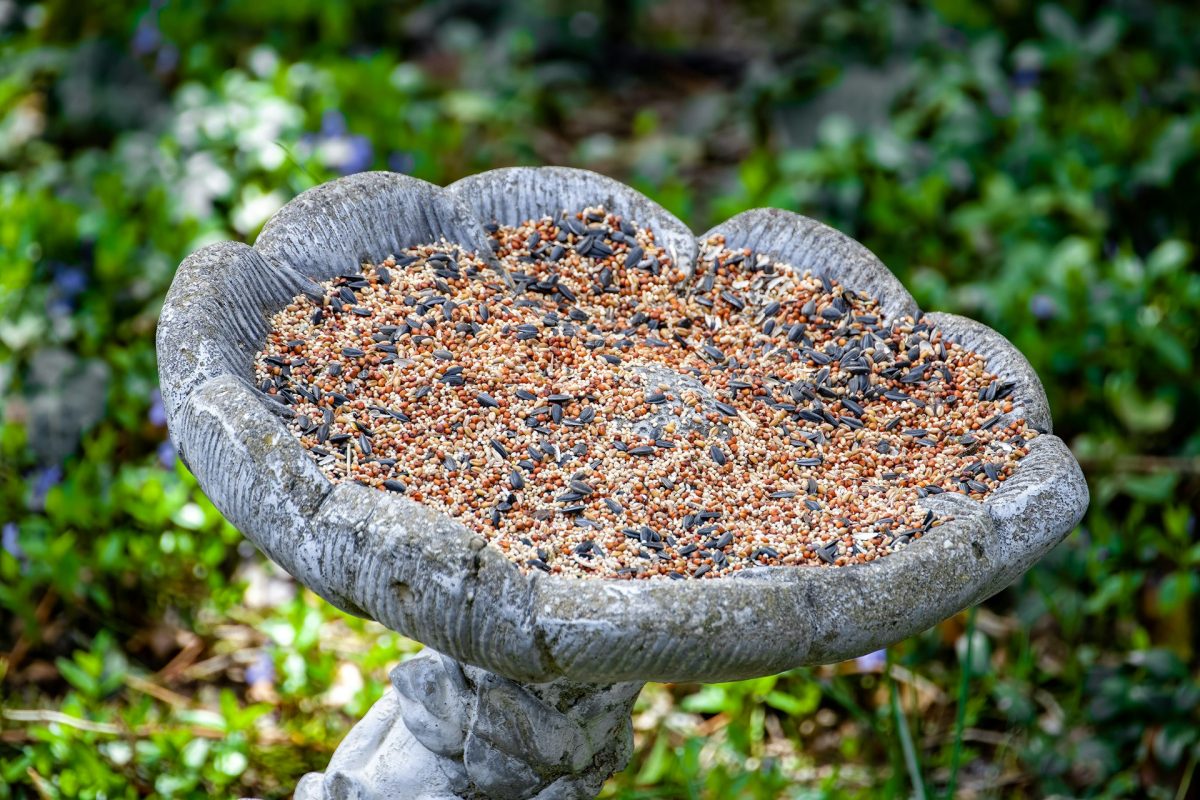
Birdseed manufacturers often include additives such as cracked corn fillers, flavor enhancers, or suet blends designed to attract more birds. While many products meet safety standards, improperly processed or stored seed can harbor salmonella bacteria. Contamination can occur during harvesting, packaging, or storage if moisture and heat allow bacteria to thrive.
Some cheaper mixes contain higher amounts of filler grains that spoil more easily when exposed to humidity. Once mold or bacterial growth begins, the seed may look dusty, clumped, or damp. Birds that consume contaminated seed can develop lethargy, diarrhea, and fluffed feathers, which signal illness. In severe cases, salmonella infection can prove fatal for small songbirds.
Wildlife officials emphasize that no single ingredient automatically causes salmonella, but poorly handled additives increase risk. Seed that sits in warm, damp conditions provides an ideal breeding ground for bacteria. Choosing high-quality seed and storing it correctly dramatically lowers the odds of contamination.
How Salmonella Spreads at Feeders
Salmonella spreads primarily through fecal contamination. An infected bird sheds bacteria in its droppings, which then contaminate feeder surfaces and nearby seed. Other birds ingest the bacteria while feeding, and the cycle continues.
Crowded feeding stations accelerate transmission. During colder months or migration periods, birds gather in large numbers, which increases contact and stress. Stress weakens immune systems, making birds more susceptible to infection. When feeders remain uncleaned for extended periods, layers of droppings and damp seed create a concentrated source of bacteria.
Humans can also contract salmonella by handling contaminated feeders or seed and then touching their mouths or food without washing their hands. While serious illness remains uncommon with proper hygiene, health officials consistently recommend handwashing after any contact with bird feeding equipment.
Warning Signs in the Backyard
Sick birds often appear sluggish and unresponsive. They may sit for long periods with puffed-up feathers and closed eyes. Some show visible diarrhea or struggle to fly away when approached. If multiple birds display these symptoms around a feeder, immediate action becomes critical. Wildlife agencies frequently advise temporarily removing feeders for one to two weeks to disperse birds and interrupt disease transmission. This pause allows contaminated surfaces to dry and reduces crowding, which limits further spread.
Dead birds near feeding stations also warrant attention. Local wildlife authorities typically request reports of unusual die-offs so they can monitor outbreaks. Quick reporting helps experts track patterns and issue timely guidance to communities.
Smart Feeding Habits That Protect Birds
Bird feeding can remain safe and beneficial with the right approach. Start by selecting high-quality seed from reputable suppliers who store products in dry, temperature-controlled conditions. Avoid purchasing large quantities that will sit unused for months, especially in humid climates.
Store seed in sealed containers that block moisture and pests. Metal bins with tight-fitting lids work well and prevent rodents from contaminating the seed. Keep containers in cool, dry areas away from direct sunlight. Clean feeders at least once every two weeks, and increase frequency during wet weather or heavy bird activity. Scrub feeders with hot, soapy water, then disinfect with a solution of one part bleach to nine parts water. Rinse thoroughly and allow feeders to dry completely before refilling. This routine removes droppings and kills lingering bacteria.
When to Take a Break From Feeding
Wildlife officials sometimes recommend suspending feeding during active salmonella outbreaks in a region. Although many people feel reluctant to remove feeders, birds can find natural food sources in most environments. Temporary removal reduces crowding and allows sick individuals to disperse.
After a break, resume feeding with freshly cleaned equipment and new seed. Avoid mixing old seed with new batches, even if it appears dry. Discard any seed that smells musty or shows visible mold.
Bird baths also require attention. Replace water daily and scrub basins regularly to prevent bacterial growth. Fresh, clean water supports bird health and reduces reliance on crowded feeders.
A Balanced Approach to Backyard Bird Care
Feeding wild birds offers joy, education, and a deeper connection to nature. However, that privilege carries responsibility. Salmonella outbreaks remind everyone that good intentions must align with sound practices.
High-quality seed, proper storage, and consistent cleaning form the backbone of safe bird feeding. Additives and blends should come from trusted sources with clear labeling and proper handling standards. Cutting corners to save a few dollars can cost far more in bird health and potential human illness.
Wildlife officials continue to monitor salmonella trends and issue guidance as conditions change. Staying informed through local extension offices or state wildlife agencies ensures that backyard practices align with current recommendations.
Protecting the Flock Starts at Home
A vibrant backyard filled with chirping finches and cardinals should signal life and vitality, not disease. Salmonella thrives in neglect, moisture, and overcrowding, but it struggles against cleanliness and thoughtful care. Simple habits such as washing hands, disinfecting feeders, and storing seed correctly can break the chain of infection.
Bird feeding does not need to stop, but it does demand attention and responsibility. With smart choices and regular maintenance, a feeder can remain a safe haven rather than a hazard.
What steps will shape your bird feeding routine this season to keep feathered visitors healthy and thriving? Tell us your plans in our comments below.
You May Also Like…
8 Backyard Birds You Can Attract Without Creating a Pest Problem
How to Make Your Yard a Haven for Birds and Pollinators This Winter
The Case for Leaving Seed Heads: Beauty, Birds, and Free Food
Plant These Berries for a Winter Feast for Birds
A Decorative Garden Fence Could Violate Local Wildlife Protection Laws

Brandon Marcus is a staff writer for FrugalGardening.com at District Media, Inc., where he delivers practical gardening advice with a relatable, no-nonsense style. An avid amateur gardener, he holds a BA degree and with over ten years of professional writing experience, he is also an award-winning published author whose first book, Questions For Deep Thinkers, was released by Adams Media. His work has appeared in major publications including Fandom.com, CHUD.com, TheColdWire.com, and Fansided.com.
Leave a Reply