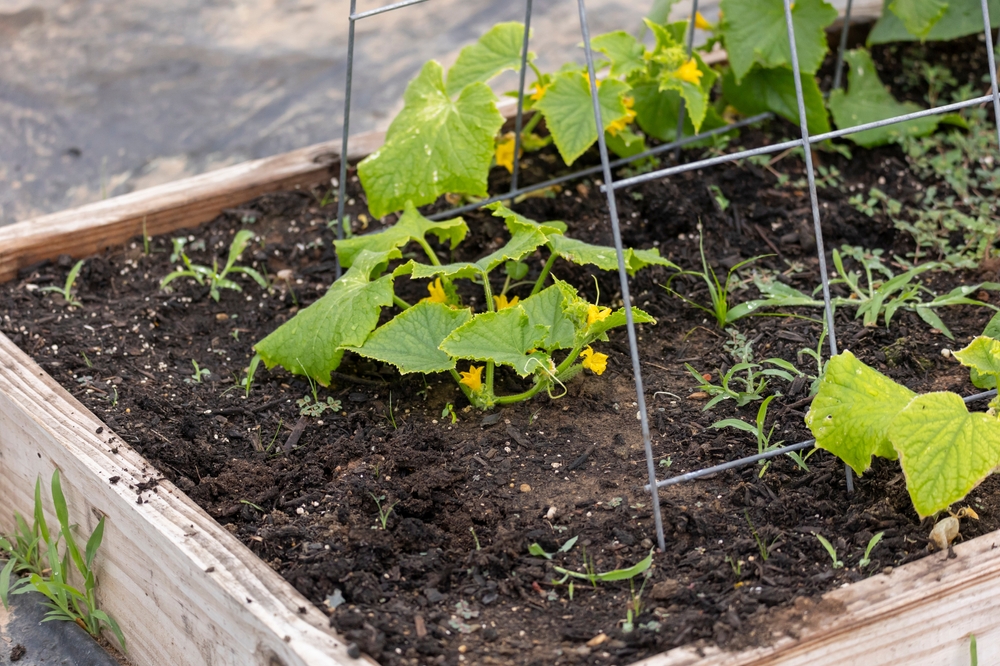
Rain pounds down, boots squelch, and your once-proud raised beds now resemble a vegetable-flavored swamp. Seeds vanish, roots gasp, and everything smells vaguely like regret. Soggy soil isn’t just annoying—it chokes plants, invites disease, and can ruin an entire growing season in a few storms.
The fix isn’t luck or wishful thinking; it’s smart structure, better materials, and a few proven garden tricks. Let’s turn those muddy disasters into raised beds that drain like champs and grow like legends.
1. Start With A Drainage-First Foundation
Raised beds fail fast when they’re placed on poorly draining ground, even if the soil mix inside is perfect. Before building or refilling a bed, remove sod and loosen the native soil underneath so water has somewhere to go. A compacted base acts like a bathtub, trapping moisture and turning everything above it into sludge. Adding a few inches of coarse gravel or crushed stone beneath the bed can dramatically improve water movement. This layer doesn’t replace good soil, but it gives excess water a clear exit path. Think of it as installing plumbing before decorating the bathroom.
2. Use A Soil Mix That Refuses To Compact
Heavy garden soil is the fastest route to soup, especially when rain hits hard. Raised beds thrive with a light, fluffy mix that balances drainage and moisture retention. A classic blend includes compost, topsoil, and a generous portion of coarse material like perlite, pumice, or sharp sand. These ingredients create air pockets that keep roots breathing even during wet spells. Avoid filling beds with straight compost, which can collapse and compact over time. The goal is soil that springs back when squeezed, not soil that oozes between your fingers.
3. Raise The Bed Higher Than You Think You Need
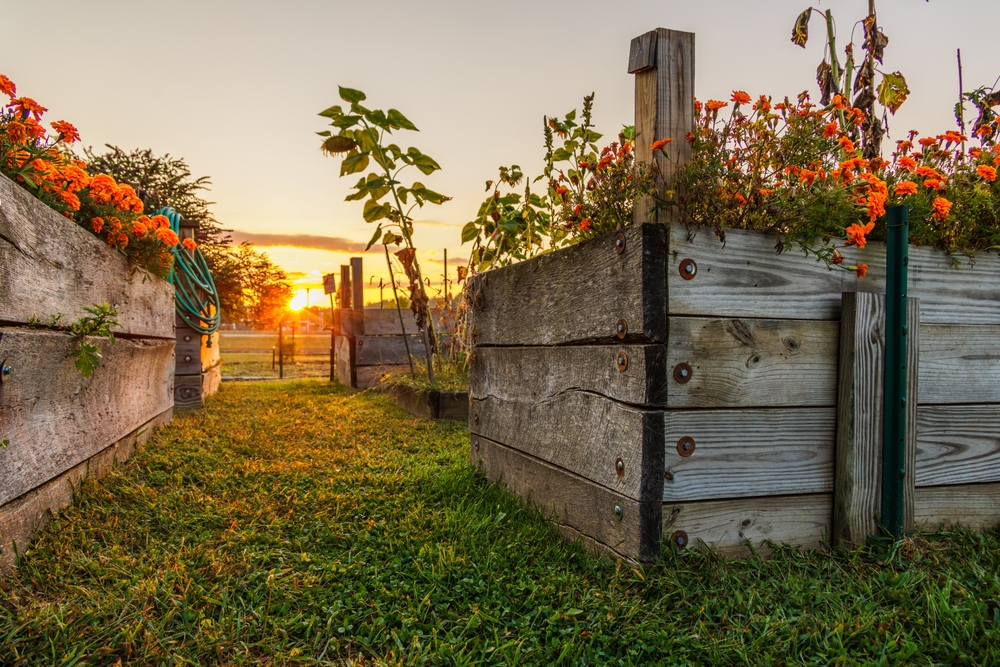
Short raised beds look tidy, but they’re more vulnerable to waterlogging. Taller beds increase the vertical distance water must travel, which naturally improves drainage. Even an extra six inches can make a noticeable difference during prolonged rain. Deeper beds also encourage stronger root systems, which helps plants recover faster after wet conditions. If your area sees frequent downpours, aim for beds at least 12 to 18 inches tall. Height isn’t just aesthetic—it’s functional insurance against soggy soil.
4. Skip The Landscape Fabric Trap
Lining the bottom of raised beds with landscape fabric sounds smart, but it often backfires. Over time, fine soil particles clog the fabric, turning it into a waterproof barrier. Water stops draining, roots struggle, and your bed becomes a slow-motion swamp. Instead, use hardware cloth if you need to block burrowing pests, or leave the base open to the soil below. Natural soil layers work better together than artificial separators. Drainage loves freedom, not filters.
5. Add Organic Matter The Right Way
Organic matter improves soil structure, but dumping it in carelessly can cause problems. Large chunks of uncomposted material can break down unevenly and create dense, soggy zones. Well-finished compost, mixed thoroughly throughout the bed, improves aggregation and water flow. Leaf mold and aged bark fines are also excellent additions for drainage-friendly structure. These materials help soil hold moisture without drowning roots. Balance is everything, and consistency beats quantity every time.
6. Shape The Soil Surface For Water Control
Flat soil surfaces invite puddles, especially during heavy rain. Gently mounding soil in the center of the bed encourages water to move toward the edges instead of pooling around plant stems. This subtle slope can dramatically reduce rot and fungal issues. It also keeps seeds from washing away during storms. Think of your bed like a tiny landscape, not a flat tabletop. Shape guides water, and guided water behaves.
7. Install Side Drainage For Problem Areas
In especially wet climates or clay-heavy yards, side drainage can be a game changer. Small weep holes near the base of wooden beds allow excess water to escape laterally. These openings prevent water from building pressure inside the bed after long rains. If using metal or composite beds, placing them on a slight slope achieves a similar effect. Water always follows gravity, so give it a path that doesn’t involve drowning your tomatoes.
8. Mulch With Materials That Breathe
Mulch protects soil, but the wrong mulch can seal it off. Thick layers of fine wood chips or soggy straw can trap moisture and slow evaporation. Instead, use coarse mulch like shredded bark, pine needles, or chopped leaves. These materials allow air movement while still reducing erosion and splash-back. A two- to three-inch layer is plenty for most beds. Mulch should regulate moisture, not lock it in permanently.
9. Plant Strategically For Wet Conditions
Some plants tolerate damp soil better than others, and smart placement reduces losses. Reserve the wettest sections of a bed for crops that handle moisture well, like chard or certain herbs. Keep sensitive plants on higher ground or closer to bed edges where drainage is strongest. Spacing also matters; overcrowded plants slow airflow and drying. Thoughtful planting turns drainage challenges into manageable quirks. Sometimes the fix is botanical, not structural.
From Swampy Beds To Soil Success
Soggy raised beds don’t mean you’re a bad gardener—they mean your setup needs a tune-up. With better foundations, smarter soil choices, and a few strategic adjustments, water stops being the enemy and starts behaving like a helpful guest. Every garden has its quirks, and solving them is part of the fun of growing.
If you’ve battled muddy beds or found a clever solution that worked wonders, drop your thoughts or stories in the comments below. Your experience might be exactly what another gardener needs to read today.
You May Also Like…
8 Ways to Prepare Garden Beds Without Buying New Soil
11 Sneaky Weeds That Look Innocent Until They Destroy Your Beds
6 Flowers That Bloom Reliably Even in Poor Soil
6 Annuals That Don’t Need Expensive Soil Mixes
8 Ways to Prepare Garden Beds Without Buying New Soil

Brandon Marcus is a staff writer for FrugalGardening.com at District Media, Inc., where he delivers practical gardening advice with a relatable, no-nonsense style. An avid amateur gardener, he holds a BA degree and with over ten years of professional writing experience, he is also an award-winning published author whose first book, Questions For Deep Thinkers, was released by Adams Media. His work has appeared in major publications including Fandom.com, CHUD.com, TheColdWire.com, and Fansided.com.
Leave a Reply