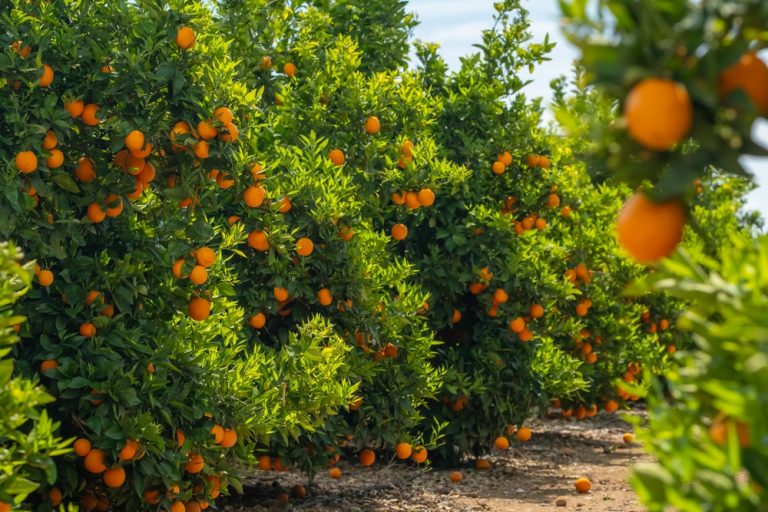
The first frost of November can feel like a sneak attack. One moment your citrus trees are soaking up the last golden touches of fall sunshine, and the next they’re shivering under a layer of icy white. Citrus trees may look tough, vibrant, and sun-loving, but when temperatures dip, they suddenly become the horticultural equivalent…
weather for gardening
How Autumn Pollinators Choose Their Flowers
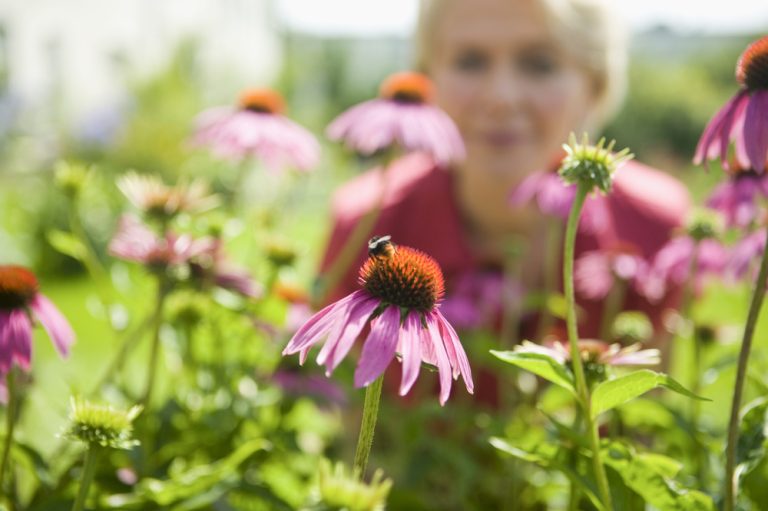
Autumn is often seen as the season when nature starts winding down, getting ready for the quiet of winter. But while leaves are falling and mornings turn crisp, something remarkable is happening in gardens, meadows, and even roadside ditches. Pollinators—bees, butterflies, moths, beetles, and even hummingbirds—are in a race against time. They’re searching for the…
How Fungi Network Stronger in Autumn Soils
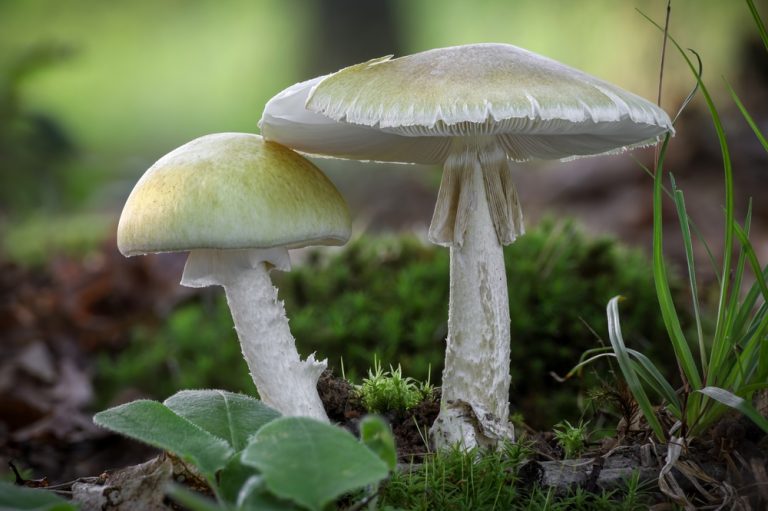
Step into a forest in autumn, and you’re walking on the internet—nature’s oldest, most intricate version of it, woven not with cables and Wi-Fi, but with threads of fungi humming beneath your boots. As the leaves turn gold and the air sharpens, something spectacular happens underground: fungi start supercha rging their networks. These hidden ecosystems…
6 Wildflowers to Scatter Before the Snow Comes
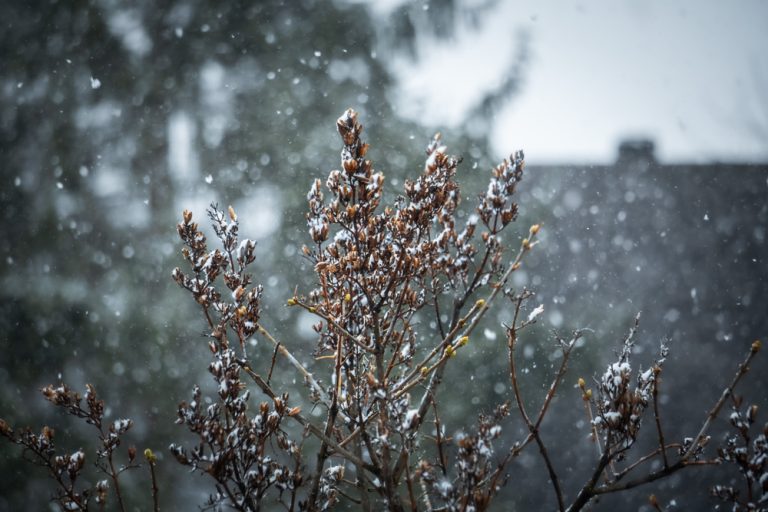
There’s something beautifully rebellious about sowing wildflowers just before winter arrives. While most people are hauling in their patio furniture and winterizing their gardens, you’re out there, hands in the cool soil, planning for next spring’s explosion of color. Scattering wildflower seeds before the snow hits isn’t just poetic—it’s strategic. The cold helps prepare the…
How Morning Frost Helps Some Crops Ripen

There’s something oddly magical about those crisp autumn mornings when your breath fogs up the air and the grass glitters like it’s been dusted with diamonds. To most people, frost is a sign of danger—a farmer’s worst nightmare, a garden’s silent killer. But here’s the twist: for some crops, that shimmering chill is not an…
10 Shade-Tolerant Crops for Shorter Fall Days
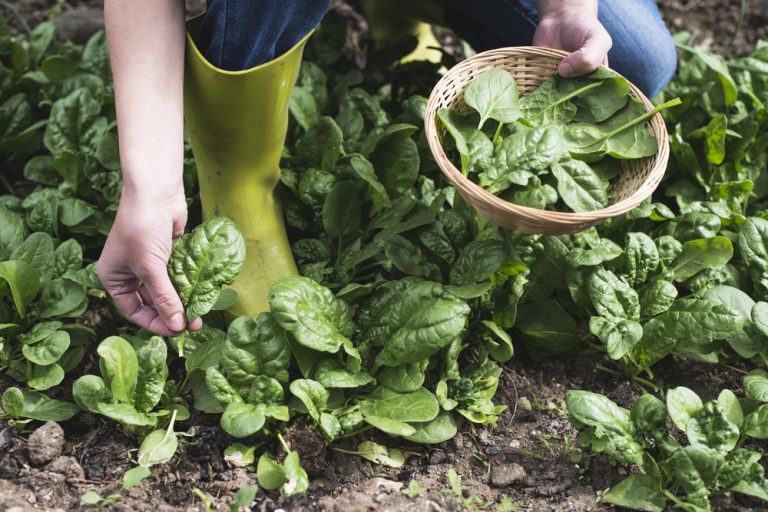
As the days grow shorter and the golden light of autumn begins to fade, gardeners everywhere start to feel the crunch of time. The sun hangs lower, the air turns crisp, and suddenly those once-sunny garden beds are draped in afternoon shadows. But don’t pack up your gloves and trowel just yet—there’s still plenty of…
How Soil Microbes Shift With Cooler Weather
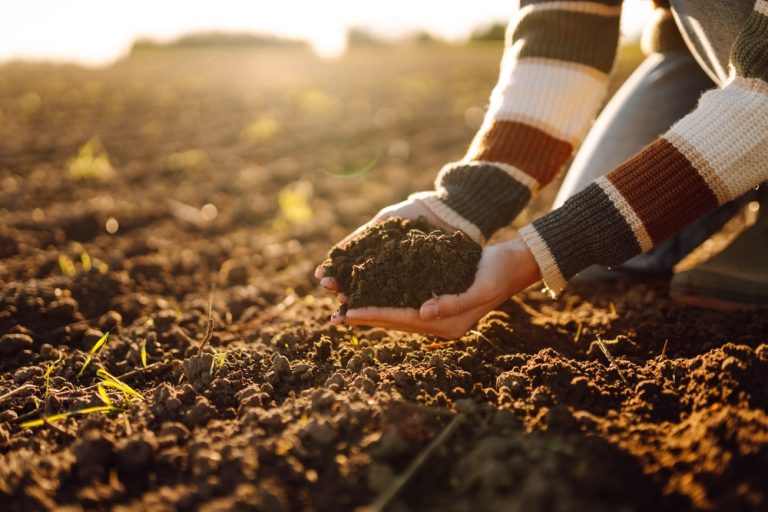
If you think fall is only about sweaters, pumpkin spice, and cozy evenings, think again—because underground, an invisible drama is unfolding. Beneath our feet, billions of microscopic organisms are preparing for the seasonal shift, adjusting their rhythms like a tiny, unseen orchestra. As the air cools and the soil starts to chill, the microbial world…
Why Frost Dates Matter More Than You Think
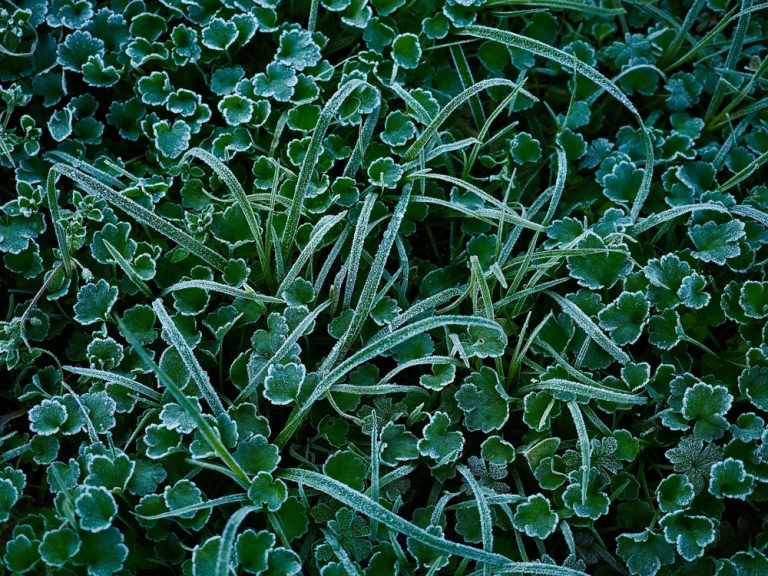
You’ve planned your garden. You’ve picked your seeds. You’ve envisioned lush tomatoes, towering sunflowers, and herbs so fragrant they make your neighbors jealous. But then—bam!—a surprise frost hits, and suddenly your green dream turns into a crispy, wilted nightmare. If you’ve ever underestimated frost dates, you’re not alone, but here’s the truth: those seemingly boring…
5 Soil Amendments That Work Best in Fall Rains
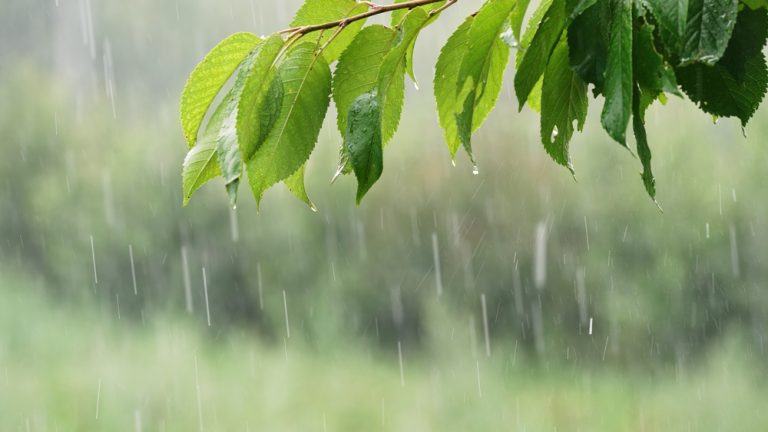
The first autumn rain hits, and suddenly your garden smells alive again. The dry summer earth softens, the worms start wriggling, and you can practically hear your soil sigh in relief. Fall is that sweet, overlooked season when the ground is still warm, the rain is gentle, and plants are hungry for nutrients before winter’s…
Why Straw Mulch Protects Roots in Cold Weather
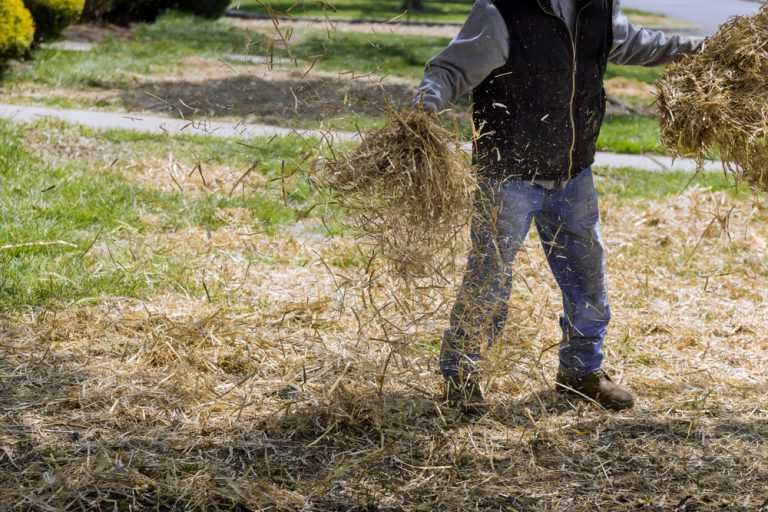
When winter rolls in and the garden starts to fade, most people grab a blanket and head indoors—but your plants need one too. Beneath that layer of soil, roots are quietly doing their best to survive the icy months ahead. The problem? Frost, wind, and sudden temperature swings can spell disaster for them. Enter the…