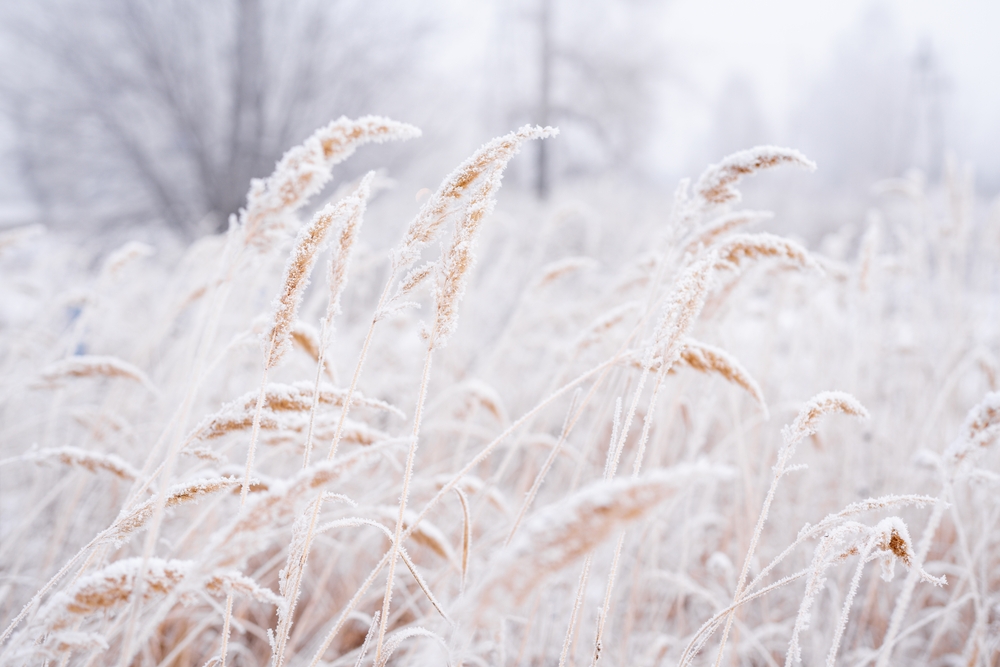
There’s something oddly magical about those crisp autumn mornings when your breath fogs up the air and the grass glitters like it’s been dusted with diamonds. To most people, frost is a sign of danger—a farmer’s worst nightmare, a garden’s silent killer. But here’s the twist: for some crops, that shimmering chill is not an enemy at all—it’s a secret ally.
Morning frost can actually help certain fruits and vegetables reach their peak flavor, sweetness, and ripeness. It’s nature’s unexpected finishing touch, a cold kiss that transforms ordinary produce into something extraordinary.
The Science of Frost’s Sweet Touch
When temperatures drop and a light frost settles, something fascinating happens inside plants. The cold acts as a stressor, triggering a natural defense mechanism that converts stored starches into sugars. This shift helps plants protect themselves from freezing damage, but it also makes them taste better. The result? Sweeter beets, carrots, kale, and even grapes that seem to suddenly come alive with flavor. What might look like an icy threat from the outside is, on a microscopic level, a biological masterstroke.
Why Frost Doesn’t Kill Everything in Sight
Not all crops are doomed when frost hits. Some are built tough designed by nature to bend, not break, under chilly conditions. These cold-hardy plants have cell structures that resist bursting when ice forms on their surfaces, allowing them to survive mild freezes. Instead of shriveling up, they adapt by producing more sugars and altering their internal chemistry. So, while tender crops like tomatoes and peppers wave a white flag at the first sign of frost, others like kale, cabbage, and carrots practically cheer it on.
Frost-Kissed Produce: The Hidden Flavor Upgrade
You’ve probably seen “frost-kissed” labels at farmers’ markets or grocery stores—but that’s not just clever marketing. When frost hits crops like Brussels sprouts, collard greens, or parsnips, it softens their fibers and boosts their natural sweetness. The result is richer flavor, smoother texture, and less bitterness. In fact, many farmers purposely wait for a few frosty mornings before harvesting these crops because the taste transformation is so dramatic. It’s like nature’s way of saying, “Patience, and I’ll make it worth your while.”
Grapes, Frost, and the Magic of Ice Wine
Some of the world’s most luxurious wines actually owe their existence to frost. Ice wine—also known as Eiswein in Germany and Austria—is made from grapes that are left on the vine until they freeze. The freezing concentrates the sugars and flavors, creating an intensely sweet, golden nectar. It’s labor-intensive and risky, but the result is an exquisite dessert wine with flavors of honey, apricot, and pure indulgence. Without frost, this unique style of winemaking wouldn’t even exist—it’s the cold that unlocks the sweetness.
Root Vegetables Love the Chill
Root vegetables are like the stoics of the plant world—they thrive when things get tough. When frost arrives, it tells them that winter is coming, and their survival instinct kicks in. They start converting starches to sugars, which acts like antifreeze inside their cells. This biochemical magic not only helps them resist damage but also gives them a surprisingly pleasant sweetness. That’s why late-season carrots and parsnips often taste richer and more candy-like than their early-harvested cousins.
Frost as a Signal for Ripeness
Believe it or not, frost can act like a natural alarm clock for some crops, signaling that it’s time to reach maturity. Plants sense the shortening days and falling temperatures, which trigger internal changes that finalize their ripening process. It’s a built-in seasonal cue that ensures seeds and roots are fully developed before winter sets in. This phenomenon is especially visible in crops like pumpkins and apples, which develop deeper color and more complex flavors after a few cold nights. Frost doesn’t rush nature—it refines it.

Farmers Who Wait for the Cold
Seasoned farmers know that sometimes, the best flavor can’t be rushed. They’ll often delay their harvest, waiting for just the right number of frosty mornings to work their quiet magic. This approach isn’t just romantic—it’s strategic. By timing their harvest after a light frost, they ensure their crops have reached their absolute flavor potential. The result is produce that tastes homegrown, hearty, and just a bit sweeter than what’s harvested too soon.
The Risky Balance Between Blessing and Burn
Of course, there’s a fine line between helpful frost and destructive freeze. A gentle frost can be a friend, but a deep freeze can be devastating. If temperatures drop too low for too long, even hardy crops can suffer cell damage and spoil. That’s why farmers and gardeners keep such a close eye on the thermometer, ready to cover or protect plants if needed. The sweet spot lies in those cool, fleeting mornings where the frost sparkles, melts, and leaves a little extra flavor behind.
How Frost Shapes Local Flavor Traditions
In many regions, frost isn’t just part of farming—it’s part of culture. From Canada’s ice wines to the Midwest’s frost-sweetened carrots and Europe’s winter greens, cold-weather agriculture shapes local cuisine in delicious ways. People have learned to embrace the rhythm of the seasons and the transformations that frost brings. These foods remind us that nature’s quirks can produce some of the most memorable flavors on earth. A little chill, it turns out, is one of the world’s most underrated chefs.
Nature’s Coolest Secret Ingredient
Morning frost might look delicate, but it wields surprising power in the world of agriculture. It can sweeten, ripen, and refine crops in ways that sunshine alone never could. For farmers and gardeners, it’s a reminder that even the coldest mornings carry the promise of something delicious. So the next time you taste a perfectly sweet carrot or an ice wine that seems to sparkle on your tongue, remember—it might just owe its flavor to a quiet, frosty dawn.
Have you ever noticed how frost changes the taste of your garden or local produce? Share your thoughts, stories, or frosty harvest experiences in the comments below.
You May Also Like…
Why Frost Dates Matter More Than You Think
10 Shade-Tolerant Crops for Shorter Fall Days
12 Crops That Need Extra Watering Before Frost
How to Harden Off Plants Before the First Frost
How Storing Root Crops Extends Winter Food Supplies

Brandon Marcus is a staff writer for FrugalGardening.com at District Media, Inc., where he delivers practical gardening advice with a relatable, no-nonsense style. An avid amateur gardener, he holds a BA degree and with over ten years of professional writing experience, he is also an award-winning published author whose first book, Questions For Deep Thinkers, was released by Adams Media. His work has appeared in major publications including Fandom.com, CHUD.com, TheColdWire.com, and Fansided.com.
Leave a Reply