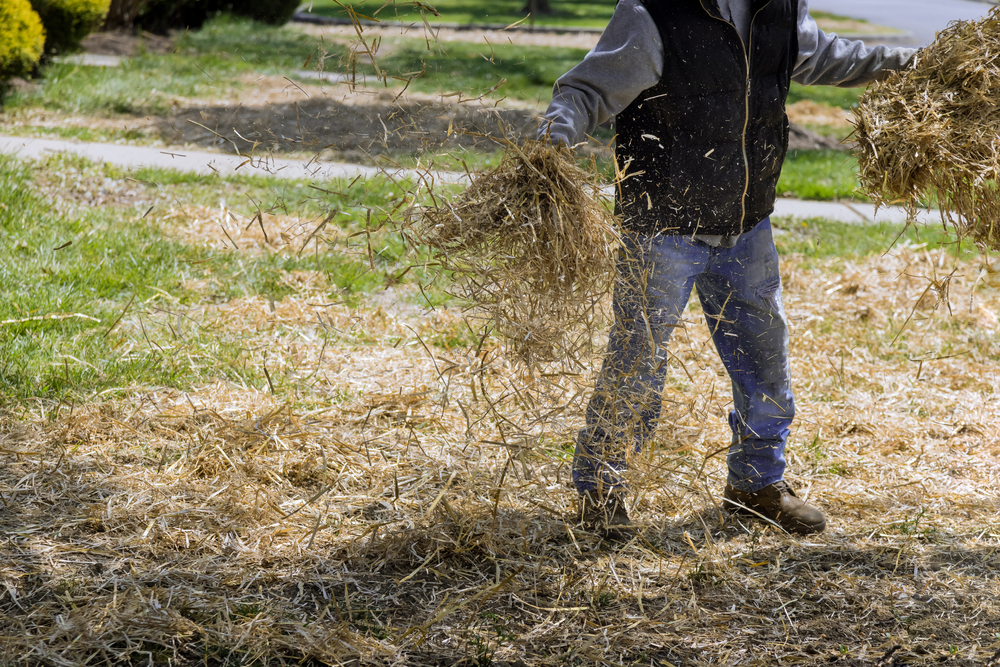
When winter rolls in and the garden starts to fade, most people grab a blanket and head indoors—but your plants need one too. Beneath that layer of soil, roots are quietly doing their best to survive the icy months ahead. The problem? Frost, wind, and sudden temperature swings can spell disaster for them. Enter the unsung hero of winter gardening: straw mulch.
This simple, golden blanket might look humble, but it’s a game-changer for keeping roots alive, happy, and ready to bounce back when spring returns.
Straw Mulch: Nature’s Cozy Insulator
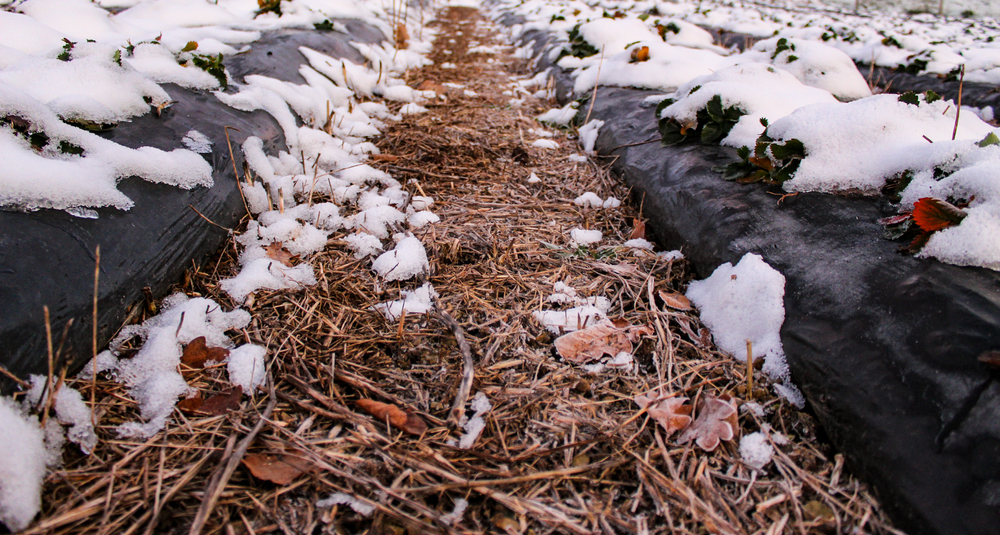
Think of straw mulch as a thick, natural comforter for your garden. It works by trapping air between its dry, hollow stems, creating an insulating layer that keeps soil temperatures more stable. When the temperature drops below freezing, that layer prevents frost from seeping too deeply into the ground and damaging delicate root systems. It also keeps the soil warmer during the day and cooler on unexpectedly warm winter afternoons—helping roots avoid the shock of rapid temperature swings. Essentially, straw mulch doesn’t just sit there—it’s constantly balancing and buffering your plants against the chaos of winter weather.
It Keeps Soil Moisture Just Right
Winter may not feel like a season of dehydration, but cold air and icy winds can actually dry out the soil faster than you’d expect. Without protection, roots can lose vital moisture even when the top layer looks damp. Straw mulch acts like a moisture regulator, locking in hydration by slowing evaporation and shielding the soil from harsh winds. It also helps snow melt gradually, allowing water to soak into the soil instead of running off. That means less stress for your roots and fewer surprise wilted plants when spring finally makes an appearance.
The Ultimate Frost Shield
One of straw mulch’s superpowers is its ability to reduce the formation of hard frost around plant roots. Without protection, the freeze-thaw cycle can cause soil to expand and contract, literally pushing tender roots upward in a process called “frost heaving.” That movement exposes roots to freezing air and can kill even the hardiest perennials.
A layer of straw breaks that cycle by buffering the temperature between the air and soil, keeping the freeze line closer to the surface where it belongs. It’s like putting a barrier between your plants and the worst of winter’s tantrums—quietly effective and remarkably simple.
It’s Not Just Warmth—It’s Protection from Erosion
When winter storms bring heavy rain, snow, and wind, unprotected soil can erode faster than you think. Straw mulch provides a protective armor that keeps soil particles in place and prevents nutrient-rich topsoil from washing away. This is especially important on slopes or raised beds, where runoff tends to be stronger. Instead of finding your precious soil scattered across the driveway come spring, you’ll discover that the straw helped hold everything together. The result? Stronger, healthier soil and roots that stay exactly where they’re supposed to be.
A Refuge for Microorganisms
While mulch protects roots, it also creates a safe haven for the tiny creatures that make your soil come alive. Microorganisms, beneficial fungi, and earthworms all thrive under the slightly warmer, moister environment that straw provides. These invisible helpers break down organic matter and release nutrients that feed your plants year-round. When you remove the mulch in spring, you’ll often find that the soil underneath is rich, crumbly, and full of life—proof that the ecosystem kept humming all winter long. So, while your plants were sleeping, the underground world was hard at work, thanks to a simple layer of straw.
It Prevents Temperature Whiplash
Winter weather loves to play tricks: one day it’s balmy, the next it’s freezing. These sudden changes wreak havoc on root systems, especially for plants that haven’t gone fully dormant. Straw mulch creates a stable microclimate that protects roots from the shock of fluctuating temperatures. It absorbs and releases heat slowly, keeping the soil temperature consistent even when the air above it isn’t. That stability gives your plants a better chance to make it through winter strong—and saves you the heartbreak of discovering frostbitten roots in the spring thaw.
Easy to Apply and Easy to Love
Part of straw mulch’s appeal is its simplicity. There’s no complicated system or fancy setup—just grab a bale, fluff it up, and spread it evenly over the soil. A layer about three to six inches thick is usually enough to protect most perennials and garden beds. It’s lightweight, easy to move, and breaks down naturally over time, enriching the soil as it decomposes. The best part? When spring arrives, you can simply rake it back or work it in, giving your garden a head start on the growing season.
It Looks Rustic—And That’s a Good Thing
Beyond function, straw mulch adds an undeniably charming look to your winter garden. It gives off a cozy, farm-style vibe that makes even the sleepiest patch of earth look cared for. The soft golden color brightens up the dull grays and browns of late fall, bringing a little warmth and texture to your outdoor space. It also deters some pests who prefer bare soil, creating a visual and practical win-win. So while your garden hibernates, it still looks intentionally tended—thanks to that layer of rustic charm.
The Secret to Year-Round Benefits
Even though straw mulch shines in winter, its benefits extend far beyond the cold season. As it breaks down, it adds organic matter to the soil, improving structure and fertility for the months ahead. By spring, what’s left of the straw becomes a built-in soil conditioner that boosts nutrient levels and supports stronger root growth. That means less fertilizer, fewer weeds, and healthier plants all season long. In short, the effort you put in before winter pays off tenfold once the growing season kicks in again.
A Simple Step That Saves Your Garden
Straw mulch might not look like much, but it’s one of the most powerful tools a gardener can use to protect roots during cold weather. It insulates, hydrates, stabilizes, and even beautifies—all while quietly supporting the hidden life beneath the surface. Whether you’re caring for delicate flowers, sturdy perennials, or a backyard vegetable patch, this simple golden blanket can mean the difference between thriving roots and frozen disappointment. So this winter, don’t just pack away your garden tools—spread a little straw and give your plants the protection they deserve.
Have you used straw mulch in your garden? Share your experiences, stories, or winter gardening tips in the comments below.
You May Also Like…
- How to Use Pine Needles as Mulch Without Harming Soil
- 5 Natural Mulches That Protect Roots From Frost
- Why Mulching Too Early Can Damage Perennials
- 7 Garden Diseases That Spread Faster in Cool, Damp Weather
- 7 Cold Frames That Keep Lettuce Growing Longer

Brandon Marcus is a staff writer for FrugalGardening.com at District Media, Inc., where he delivers practical gardening advice with a relatable, no-nonsense style. An avid amateur gardener, he holds a BA degree and with over ten years of professional writing experience, he is also an award-winning published author whose first book, Questions For Deep Thinkers, was released by Adams Media. His work has appeared in major publications including Fandom.com, CHUD.com, TheColdWire.com, and Fansided.com.
Leave a Reply