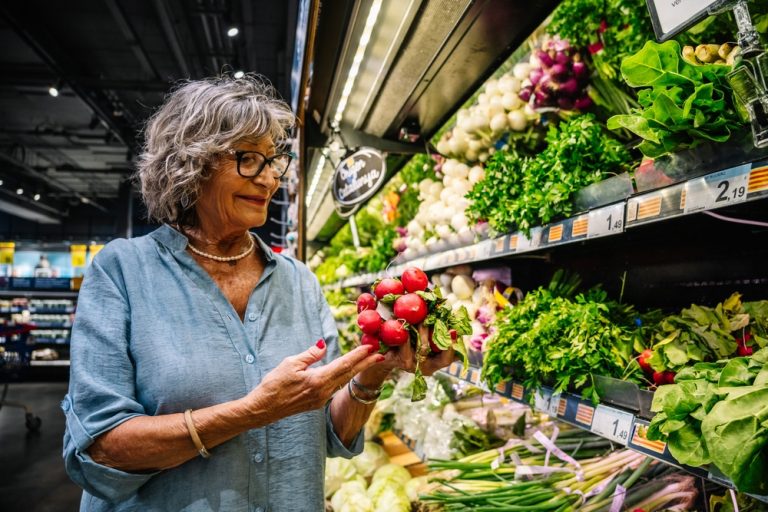
A vegetable garden can put fresh food within arm’s reach, but that does not automatically make every crop a bargain. Some vegetables demand lots of space, water, supports, containers, or a surprisingly long stretch of attention before they produce enough food to make a dent in the grocery bill. That does not make these crops…
vegetable gardening
10 Vegetables You Can Grow From Seed for Far Less Than Store-Bought Produce
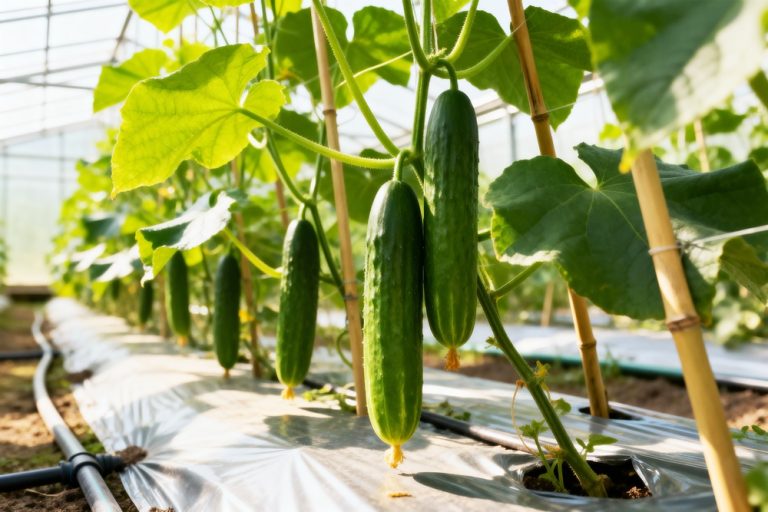
A packet of vegetable seeds can look almost comically small next to a grocery-store bag of produce, but those tiny seeds can turn into a surprisingly generous harvest. For gardeners watching their grocery budget, growing vegetables from seed often costs far less than buying the same produce week after week, especially when a single planting…
7 Fall Crops You Can Grow in Containers Instead of Buying Raised Beds
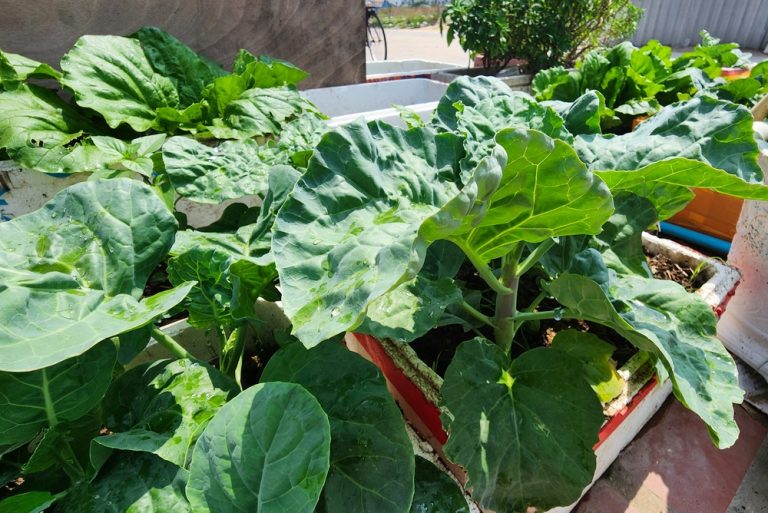
Raised beds look fantastic in a garden, but they also come with lumber, brackets, soil, measuring, digging, and the small matter of actually assembling the thing. For a fall garden, containers offer a much simpler route, especially for gardeners who want fresh vegetables without committing to another permanent garden project. A few large pots, buckets,…
9 Vegetables That Give You the Most Food for the Least Garden Space
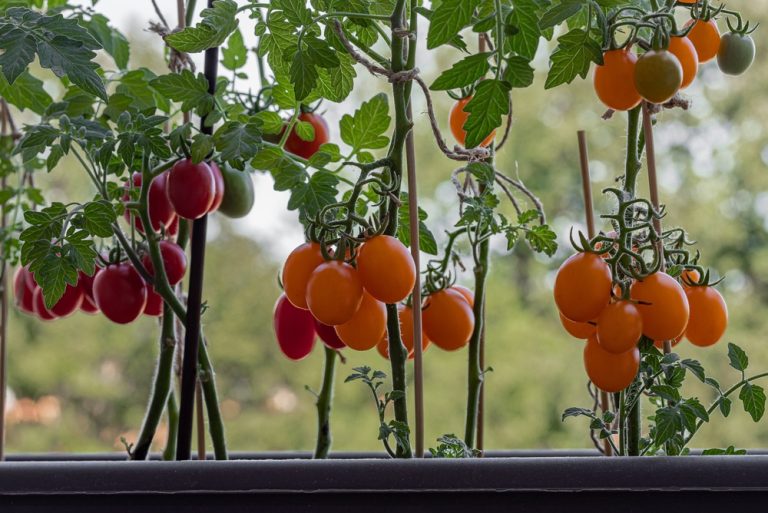
A small garden does not have to produce a small harvest. You just have to choose vegetables that keep producing, grow upward instead of outward, or deliver plenty of edible food from a relatively compact patch of soil. A few smart choices can turn one raised bed, patio container collection, or tiny backyard plot into…
7 Fall Vegetables That Can Handle Cooler Nights Better Than You Think
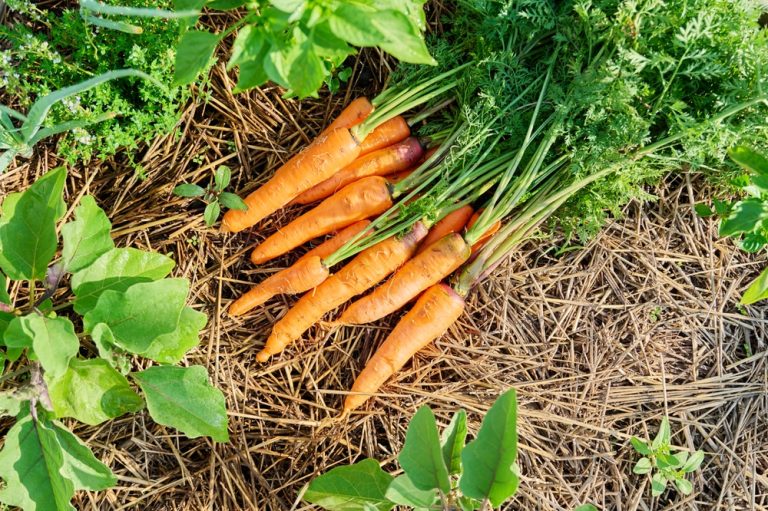
Summer gets all the vegetable-garden glory, but fall quietly has a few tricks of its own. As nights get colder, kale, carrots, spinach, broccoli, cabbage, beets, and radishes can keep producing when heat-loving tomatoes, peppers, and beans start calling it quits. The secret lies in choosing crops that actually like cool weather instead of trying…
You Don’t Need a Big Backyard to Grow a Meaningful Amount of Food
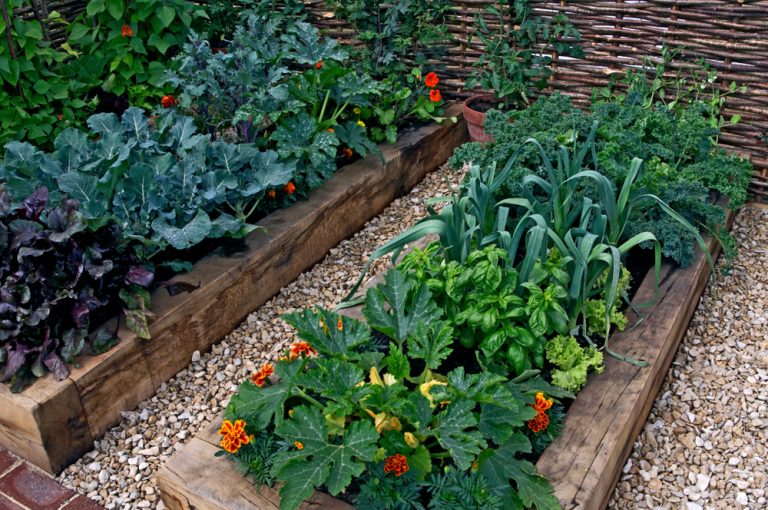
A small backyard can produce a meaningful amount of food, even when it looks more like a postage stamp than a farm. The trick comes down to choosing productive crops, using vertical space, and giving prime growing areas to plants that actually earn their keep. That last part matters more than garden size. A sprawling…
8 Ways to Keep Your Garden Producing After Summer Vegetables Quit
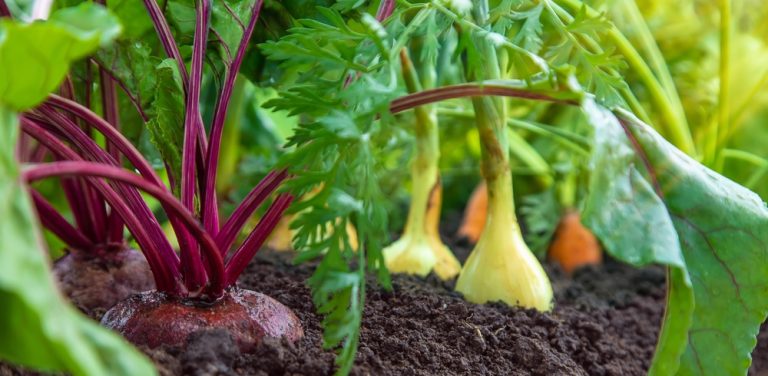
Summer vegetables can make a garden feel like a produce factory with a very short attention span. One week, tomatoes, cucumbers, beans and zucchini seem determined to bury the kitchen counter, and then suddenly the plants slow down, look exhausted and start offering little more than yellow leaves and one lonely cucumber hiding under the…
9 Garden Supplies Worth Buying When Stores Start Clearing Summer Inventory
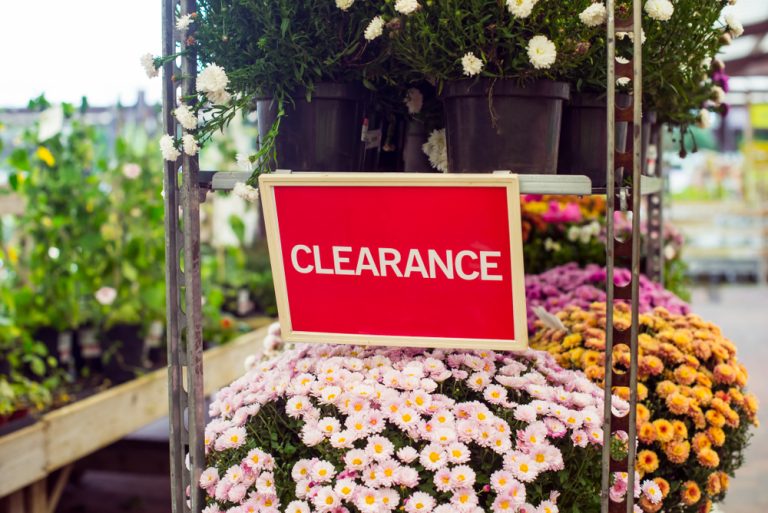
Garden center clearance season can feel like the gardening equivalent of finding a forgotten twenty-dollar bill in an old jacket. The big summer rush has passed, shelves start looking a little picked over, and suddenly useful garden supplies can become much easier to justify. The trick is knowing which bargains deserve space in the garage…
Should You Pull That Summer Vegetable Plant Yet? The Answer Isn’t Always Yes
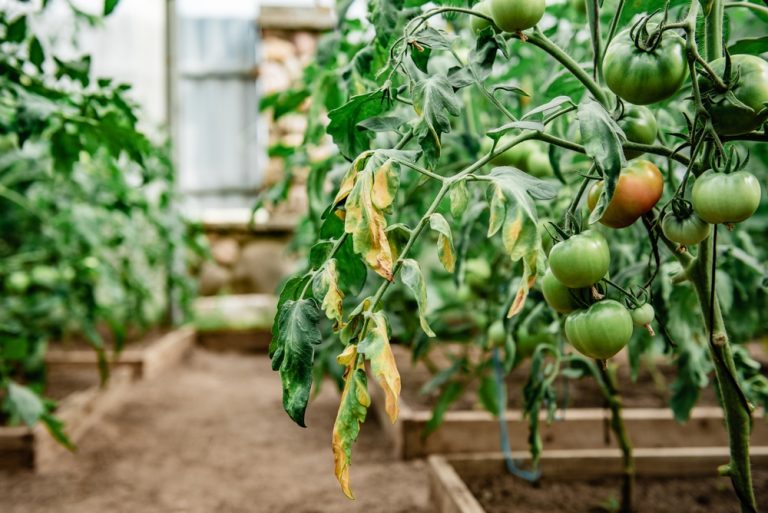
A summer vegetable plant can look downright exhausted by late season and still have a few good harvests hiding up its sleeves. Yellowing leaves, bare stems, sprawling vines, and the occasional suspicious-looking tomato can make the garden seem ready for a cleanup crew, but appearance alone does not tell the whole story. The better question…
Your Grocery Bill May Help Decide What Belongs in Your Fall Garden
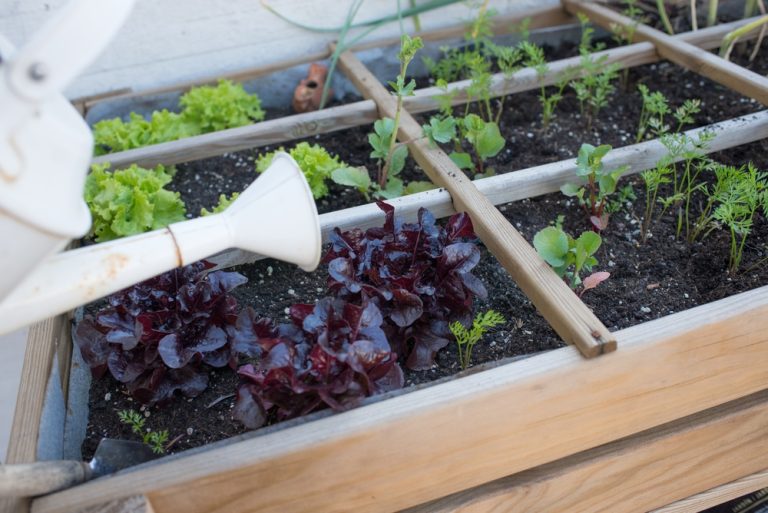
A grocery bill can reveal something surprisingly useful about a garden: which vegetables deserve precious planting space. If a bag of salad greens disappears from the refrigerator every few days, growing those greens in a fall garden may make far more sense than filling a bed with something that rarely reaches the dinner table. Fall…