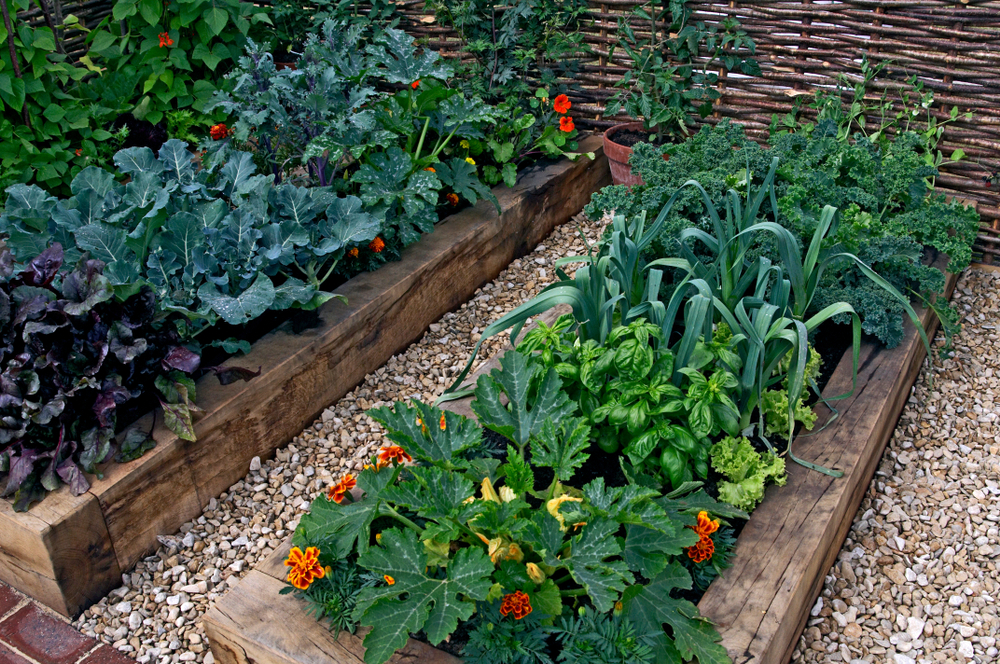
A small backyard can produce a meaningful amount of food, even when it looks more like a postage stamp than a farm. The trick comes down to choosing productive crops, using vertical space, and giving prime growing areas to plants that actually earn their keep.
That last part matters more than garden size. A sprawling pumpkin plant can gobble up precious ground space while producing a handful of fruit, whereas a compact planting of lettuce, herbs, radishes, green onions, or bush beans can keep the kitchen supplied much more efficiently. A small garden does not need to imitate a giant garden, and trying to squeeze everything into it usually creates more frustration than food.
Give the Best Space to the Best Crops
When space gets tight, every planting decision counts, so crops that produce repeatedly deserve a prime spot. Cherry tomatoes can keep producing fruit over a long season, while herbs such as basil, parsley, chives, and thyme provide useful harvests from relatively little ground. Leaf lettuce also makes a smart choice because gardeners can harvest outer leaves while the plant continues producing more foliage. Bush beans offer another strong option because they stay more compact than climbing varieties and can provide several meals from a small planting.
A small garden also benefits from crops that mature quickly, because one patch can serve more than one purpose during the season. Radishes can leave the garden early enough for another crop, and spring peas can give way to summer vegetables in many climates. Green onions take little room and work beautifully around the edges of beds or containers, where larger plants cannot easily fit. The goal is not to grow a little of everything, but to grow more of the foods that actually make it into the kitchen.
Look Up, Not Just Out
Gardeners often measure space by looking at the ground, but plants do not follow that rule. A trellis can turn vertical space into productive growing room for cucumbers, pole beans, peas, and certain small-fruited squash varieties, provided the structure can support the plant and the location receives enough sunlight. Vertical growing also keeps vines and foliage more organized, which makes harvesting easier and can improve air circulation around the plants. It does not magically create more sunlight, though, so a tall crop still needs careful placement to prevent it from shading shorter vegetables.
Containers can extend that strategy onto patios, balconies, steps, and other sunny spots that contain no garden bed at all. A large container can support a tomato, pepper, cucumber, or compact eggplant, while smaller pots can handle herbs and salad greens. Container gardening does require more attention to watering because pots dry out faster than garden soil, particularly during hot or windy weather. Good drainage also matters, since constantly soggy roots can cause serious problems.
Harvest More Than Once From the Same Patch
One of the smartest ways to increase food production involves harvesting a crop repeatedly instead of waiting for one giant harvest. Leaf lettuce, kale, Swiss chard, herbs, and some green onions can provide useful harvests over an extended period when gardeners pick selectively rather than clearing the entire planting. Cut-and-come-again greens make especially good use of limited space because the same patch can contribute to several meals. Regular harvesting can also encourage continued production in crops such as beans and some herbs.
Succession planting takes the idea a step further by filling the space again after an early crop finishes. A row that produces radishes in spring might later hold beans, greens, or another suitable crop once the first harvest ends. Even containers can follow this rhythm, with cool-season greens giving way to warm-season herbs or vegetables when temperatures rise. A little planning turns a small garden from a collection of plants into a rotating food-production system.
Stop Wasting Prime Garden Real Estate
Not every plant deserves the best sunny corner simply because it looks attractive in a seed catalog. Large crops such as sprawling winter squash, pumpkins, and melons can consume substantial ground space, although gardeners with room for vines to spill beyond beds can still make them worthwhile. Corn presents another challenge for tiny gardens because it needs a reasonably sized block for reliable pollination and offers only one main harvest. That does not make these crops bad choices, but it does make them harder to justify when every square foot needs to contribute.
Flowers can still belong in a productive garden, especially when they attract pollinators and beneficial insects, but edible plants should get the space needed for the household’s actual priorities. A few favorite herbs may provide more practical value than an oversized planting of a vegetable that rarely gets eaten. Gardeners can also tuck herbs and compact flowers into gaps around vegetables instead of automatically giving them separate beds. The best small garden often looks less like a traditional vegetable patch and more like an edible puzzle where every piece has a purpose.
Small Garden, Real Harvest
A productive small garden does not require heroic amounts of labor or a backyard the size of a football field. It requires sensible crop choices, careful use of vertical space, containers where they make sense, and a willingness to replace finished crops instead of letting empty soil sit idle. Watering, sunlight, soil quality, and plant spacing still matter, because cramped plants cannot overcome poor growing conditions simply because the garden has a clever layout. Starting with a few highly productive favorites usually works better than packing every available inch with seedlings.
The most satisfying harvest from a small garden may not fill a wheelbarrow, and it does not need to. A steady supply of basil for pasta, beans for dinner, lettuce for lunch, cherry tomatoes for snacking, and fresh herbs for the kitchen adds up surprisingly quickly over a season. That kind of garden earns its space because it produces food that gets used rather than merely creating an impressive-looking jungle of plants.
What vegetables or herbs have earned a permanent spot in your own garden because they produce far more food than the space they occupy?
You May Also Like…
How to Prepare Raised Beds for Fall on a Small Budget
Best Cover Crops for Small Gardens After Summer Harvest
6 Ways to Stretch a Small Garden Budget Into Fall
8 Fall Garden Purchases That Are Usually Cheaper at the End of Summer
5 Ways to Turn an Unused Corner Into a Perennial Food Patch

Brandon Marcus is a staff writer for FrugalGardening.com at District Media, Inc., where he delivers practical gardening advice with a relatable, no-nonsense style. An avid amateur gardener, he holds a BA degree and with over ten years of professional writing experience, he is also an award-winning published author whose first book, Questions For Deep Thinkers, was released by Adams Media. His work has appeared in major publications including Fandom.com, CHUD.com, TheColdWire.com, and Fansided.com.
Leave a Reply