A grocery bill can reveal something surprisingly useful about a garden: which vegetables deserve precious planting space. If a bag of salad greens disappears from the refrigerator every few days, growing those greens in a fall garden may make far more sense than filling a bed with something that rarely reaches the dinner table.
Fall also gives gardeners a different menu of possibilities than summer. Cool temperatures suit crops such as lettuce, spinach, kale, radishes, carrots, turnips, and many members of the cabbage family, making the season an excellent time to grow vegetables that can go directly from garden to kitchen. The smartest fall garden may not look like a traditional vegetable patch at all. It can look more like a grocery list with roots.
Let the Shopping Cart Pick the Winners
The easiest place to start involves paying attention to what regularly lands in the grocery cart. A household that buys spinach, salad greens, radishes, broccoli, carrots, or fresh herbs every week already has a handy planting guide sitting in the kitchen. Expensive produce deserves extra consideration, but frequency matters just as much because a crop that gets eaten repeatedly provides more value from the same patch of soil. There is little point dedicating half a raised bed to a vegetable that sounds exciting in a seed catalog but routinely gets ignored at dinner. A garden should grow food that actually earns a spot on the plate.
That does not mean every grocery-store vegetable makes a good fall crop. Tomatoes, peppers, cucumbers, and many summer squash varieties prefer warmer conditions, so a September planting usually cannot replace the summer growing season for those crops. Cool-season vegetables offer a much better match once temperatures begin dropping, especially leafy greens and root crops that tolerate chilly weather.
Gardeners should also check the expected days to maturity and count backward from the first expected hard freeze for crops that need more time. The goal involves matching the grocery list with the growing conditions, not forcing a favorite summer vegetable into an autumn job it cannot handle.
Greens Can Earn Their Garden Space
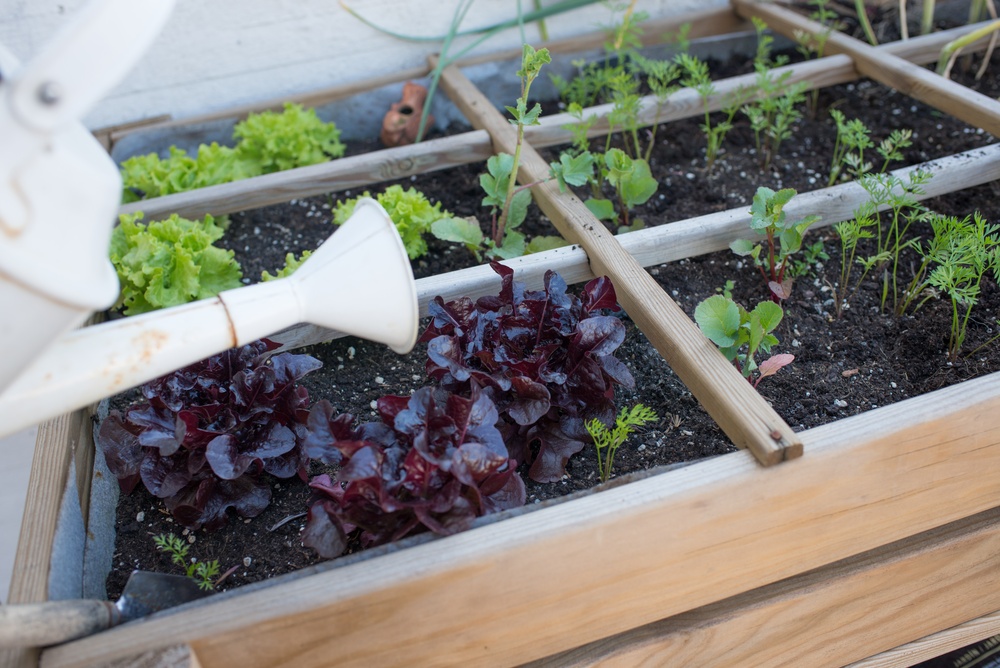
Leafy greens deserve serious consideration because fall weather often suits them beautifully. Lettuce, spinach, kale, mustard greens, Swiss chard, and other cool-weather choices can provide repeated harvests while occupying relatively modest amounts of space. Many greens also grow quickly enough to make them practical choices when summer crops finish and empty beds suddenly appear. A gardener can sow another round of lettuce or spinach rather than leaving perfectly good soil vacant until spring. That little bit of garden real estate can keep producing food when the summer garden has already called it quits.
Greens also offer an advantage at the grocery store because freshness matters, particularly with delicate salad crops. Harvesting leaves as needed can turn a garden bed into a convenient source of ingredients for sandwiches, salads, soups, and sautés. Spinach can handle cool conditions, while kale generally tolerates even colder weather once established, although extreme cold still calls for appropriate protection. Lettuce prefers cool weather but can struggle when temperatures plunge, so row cover can extend the harvest in many gardens. A simple fleece-like cover can also protect plants from light frosts without turning the garden into a complicated engineering project.
Root Crops Make Empty Soil Work Harder
Root vegetables can make another strong case when the grocery list regularly includes carrots, radishes, beets, or turnips. Radishes offer one of the quickest routes from seed to harvest, while carrots and beets need more patience but can reward gardeners with food that stores reasonably well under suitable conditions. Loose, stone-free soil helps roots develop properly, especially for carrots that dislike obstacles in their growing path. Raised beds can work particularly well when gardeners improve the soil before planting, but a traditional garden bed can produce excellent roots too. The important part involves giving underground crops enough loose soil to expand without fighting a miniature obstacle course.
Fall can also improve the quality of some root crops because cooler weather slows growth and can produce crisp, flavorful harvests. Gardeners should resist the temptation to pack seeds together simply because the rows look sparse at first, since crowded roots compete for space and often produce disappointing shapes. Thinning seedlings feels slightly cruel, but those tiny plants need room if they will eventually become respectable carrots or beets. Radishes provide a useful lesson here because overcrowding can turn a promising patch into a collection of undersized roots. When the grocery bill regularly includes root vegetables, careful spacing can turn a small planting into a genuinely useful harvest.
Do Not Ignore the Crops That Save Trips
A fall garden can provide value even when a crop does not carry a particularly high price at the store. Fresh herbs offer a good example because gardeners can snip exactly what a recipe needs instead of buying a larger package that may languish in the refrigerator. Parsley, cilantro, chives, and other herbs can fit into small spaces, containers, or gaps between larger crops, depending on the variety and local growing conditions. Their compact footprint makes them especially useful for gardeners who cannot spare an entire bed for vegetables. A few well-placed plants can add convenience without demanding a major redesign of the garden.
The same logic applies to vegetables that routinely trigger an extra grocery trip. A handful of scallions, a few radishes, or fresh salad greens may seem like minor purchases, but growing them at home can eliminate the need to buy them every time a recipe calls for a small amount. Garden planning works best when it solves actual household problems rather than chasing an imaginary picture of garden perfection. Before planting, look through the refrigerator, pantry, and recent grocery receipts for clues about what gets used most often. The best fall garden may simply be the one that makes the next grocery trip a little shorter.
Build the Fall Garden Around What Gets Eaten
A productive fall garden starts with a simple question: which vegetables disappear fastest after they come home from the store? Once that answer becomes clear, gardeners can choose cool-season crops that fit both the menu and the local growing calendar. Lettuce, spinach, kale, radishes, carrots, beets, turnips, broccoli, and herbs can all deserve consideration, but each crop needs appropriate timing and growing conditions. Seed packets provide useful information about maturity, while local frost dates help gardeners determine whether a late planting has enough time to produce a harvest. Good planning beats planting everything at once and hoping the weather cooperates.
What vegetables are on the grocery list often enough that they deserve a spot in the fall garden?
You May Also Like…
The Seed Packet Strategy That Can Stretch a Grocery Budget for Months
Why Are More Gardeners Designing Fire-Smart Borders?
9 Things Gardeners Should Never Throw Away at the End of Summer
Why Are More Gardeners Designing Around Evening Use?
5 Budget Vegetable Patch Designs for Small Yards

Brandon Marcus is a staff writer for FrugalGardening.com at District Media, Inc., where he delivers practical gardening advice with a relatable, no-nonsense style. An avid amateur gardener, he holds a BA degree and with over ten years of professional writing experience, he is also an award-winning published author whose first book, Questions For Deep Thinkers, was released by Adams Media. His work has appeared in major publications including Fandom.com, CHUD.com, TheColdWire.com, and Fansided.com.
Leave a Reply