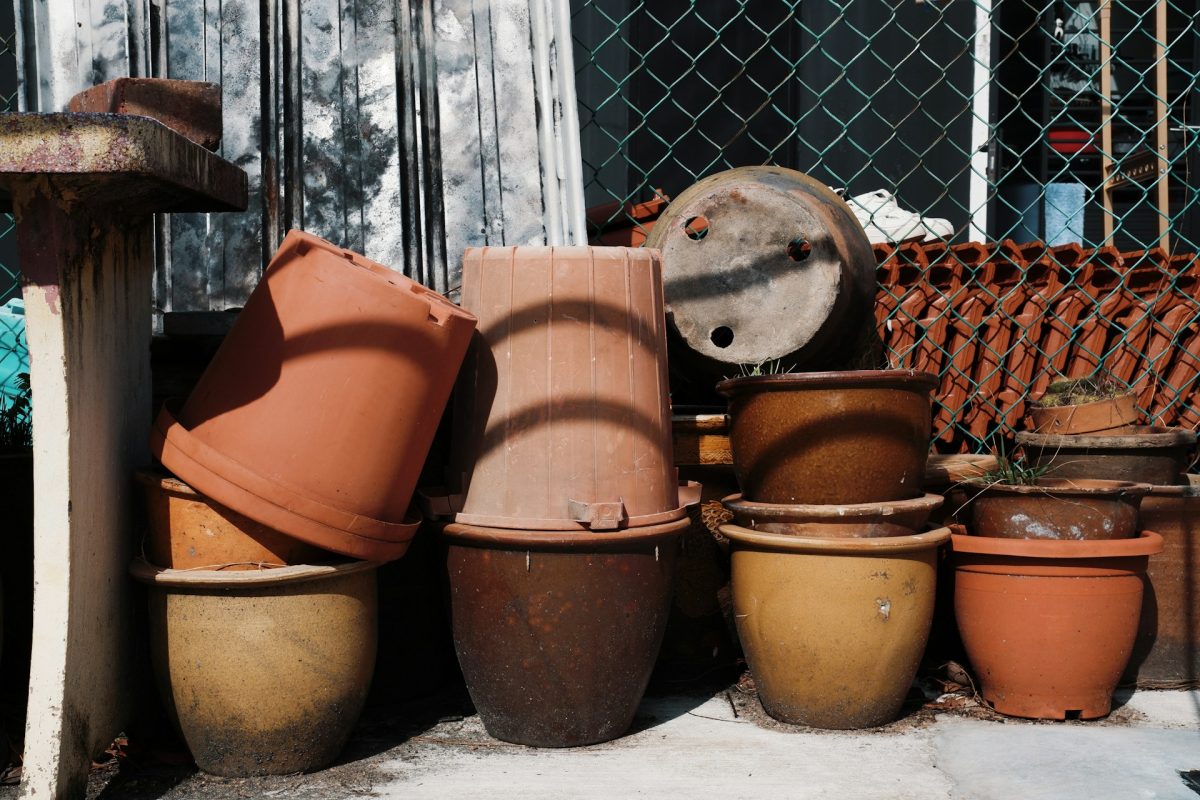
Nursery pots might look harmless once a plant moves into the garden or a bigger container, but they carry invisible threats that hit both your plants and your budget. Every time soil clings to old pots, it brings more than dirt with it. Tiny fungi, bacteria, and other plant pathogens hide in those crevices, waiting for the next crop to arrive. Ignoring this reality can turn a simple reuse project into a costly lesson, as plants struggle or die before they even get a chance to thrive. A few minutes of preparation can protect an entire season of gardening investments.
The problem isn’t limited to ornamental flowers either. Vegetables, herbs, and fruit-bearing plants are all susceptible to the pathogens lurking in used containers. Once disease establishes, it spreads quickly from one pot to the next, taking down seedlings and mature plants alike. Skipping this one cleaning step invites chaos into the garden, creating more work and more expense than any gardener wants.
A Close-Up on Pathogens: What’s Lurking in Those Pots
Soil left in nursery pots carries a host of invisible invaders that can devastate plants. Fungal diseases thrive in damp potting mix, quietly attacking roots. Bacteria cause root rot and leaf spots, weakening plants and reducing yields. Viruses, though less common, can also cling to contaminated pots, spreading infections across your collection.
It isn’t enough to just scrape out the soil or rinse pots with water. Pathogens cling to plastic, terracotta, and even biodegradable materials. Terracotta pots, for example, are porous, giving fungi and bacteria more surface to colonize. Plastic containers might feel smooth, but microscopic grooves hold onto the life forms you can’t see. Without proper sanitation, these pots act as Trojan horses, sneaking disease into new plants and sabotaging growth from the very start.
Cleaning pots isn’t a theoretical precaution. It’s a battle against the silent forces that reduce harvests, stunt growth, and drive up costs. Gardeners who understand this step save themselves headaches, money, and time while giving plants a fair shot at flourishing.
The Step Everyone Overlooks: Cleaning and Disinfecting
Reusing nursery pots without a thorough cleaning is like wearing muddy shoes in a white carpeted room—you’re inviting trouble. The secret lies in two main steps: cleaning and disinfecting. First, scrub pots with hot water and a brush to remove all soil, algae, and organic matter. This step physically removes the bulk of pathogens and debris, making the next phase far more effective.
Disinfecting is the crucial second stage. A simple solution of household bleach diluted in water—typically one part bleach to nine parts water—kills lingering fungi and bacteria. Plastic pots soak for at least 10 minutes, while terracotta may require a longer soak because of its porous nature. After soaking, rinse thoroughly and allow pots to dry completely in sunlight if possible. Sunlight works as an additional natural sanitizer, helping destroy any residual spores.
Skipping this step leaves pots looking clean on the surface but teeming with disease underneath. Gardeners who skip disinfection risk the same pathogens returning season after season, quietly undermining plants and steadily draining the wallet.
Money Matters: How Neglecting Pots Impacts the Bottom Line
At first glance, reusing pots seems like a smart way to save money. After all, new containers aren’t cheap, and planting season brings endless expenses. However, failing to clean and disinfect pots quickly turns a small saving into a big cost. Seedlings may die, crops may underperform, and time spent troubleshooting plant problems translates into lost productivity.
Consider this: replacing a single batch of vegetable seedlings in multiple pots can cost $50–$100 depending on the plants. Now, multiply that by several varieties and multiple growing seasons. Suddenly, the “cheap” option of skipping disinfection costs hundreds of dollars. Beyond money, the emotional toll of watching plants fail despite effort is significant. A few minutes spent cleaning can prevent weeks of frustration, missed harvests, and repeated purchases.
Investing in proper sanitation isn’t just about keeping plants alive. It’s about creating a sustainable, efficient system where pots serve multiple seasons without spreading disease. The effort pays off both financially and in the joy of watching a healthy garden thrive.
Extra Tips to Maximize Pot Lifespan
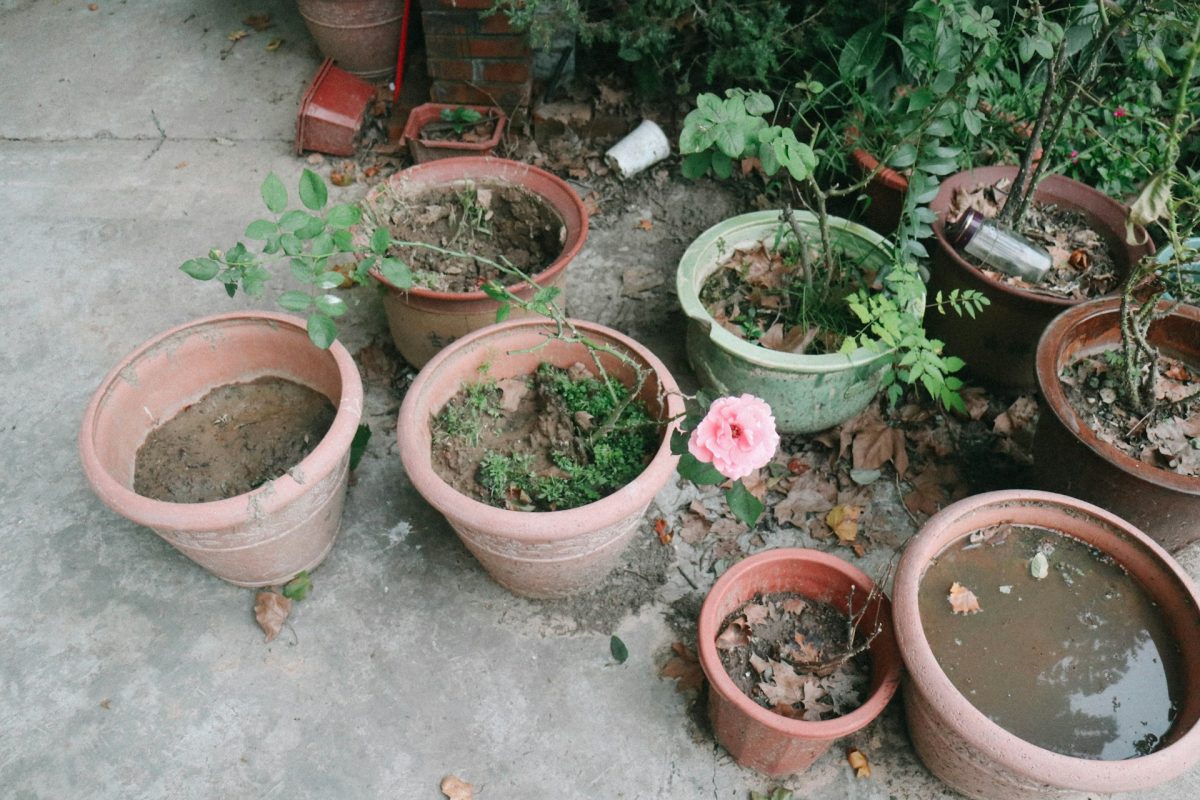
Not all nursery pots are created equal. Plastic pots generally last many seasons if cared for properly, while clay and terracotta may break down faster. Handling pots gently, storing them in a dry, shaded area, and cleaning them immediately after use prevents long-term damage and reduces pathogen buildup. Using dedicated brushes or scrubbers for garden cleaning keeps cross-contamination low, and labeling pots by season or plant type can help track their history.
For gardeners who love sustainability, combining proper cleaning with recycling old pots reduces waste while keeping costs manageable. Pots that cannot be saved can often be repurposed in creative ways—mini compost bins, plant supports, or even craft projects. The key is never to assume a used container is ready for a new plant without a careful, thorough cleaning process.
Healthy Pots, Thriving Plants, Happy Wallets
Reusing nursery pots without proper cleaning is a gamble no gardener should take. Dirt and residue carry disease that can kill plants, slow growth, and drain money faster than it takes to buy new seedlings. Scrubbing and disinfecting pots requires time and effort, but it protects plants, prevents disease, and extends the life of your containers. Healthy pots lead to healthy plants, and healthy plants make every gardening dollar count.
Could the next plant you put in a reused pot survive and thrive simply because you made time to clean it? We want to talk about replanting and repurposing in the comments.
You May Also Like…
DIY Potting Mixes Are Spreading Mold — Experts Warn of Common Mistakes
10 Ways to Keep Outdoor Pots From Cracking in a Hard Freeze
This DIY Cold Frame Design Is Collapsing Under Snow — And Causing Injuries
10 Backyard “Warm Spots” Where Plants Survive the Coldest Nights
Why Your Garden Shed Could Be Harboring Toxic Mold This Winter

Brandon Marcus is a staff writer for FrugalGardening.com at District Media, Inc., where he delivers practical gardening advice with a relatable, no-nonsense style. An avid amateur gardener, he holds a BA degree and with over ten years of professional writing experience, he is also an award-winning published author whose first book, Questions For Deep Thinkers, was released by Adams Media. His work has appeared in major publications including Fandom.com, CHUD.com, TheColdWire.com, and Fansided.com.
Leave a Reply