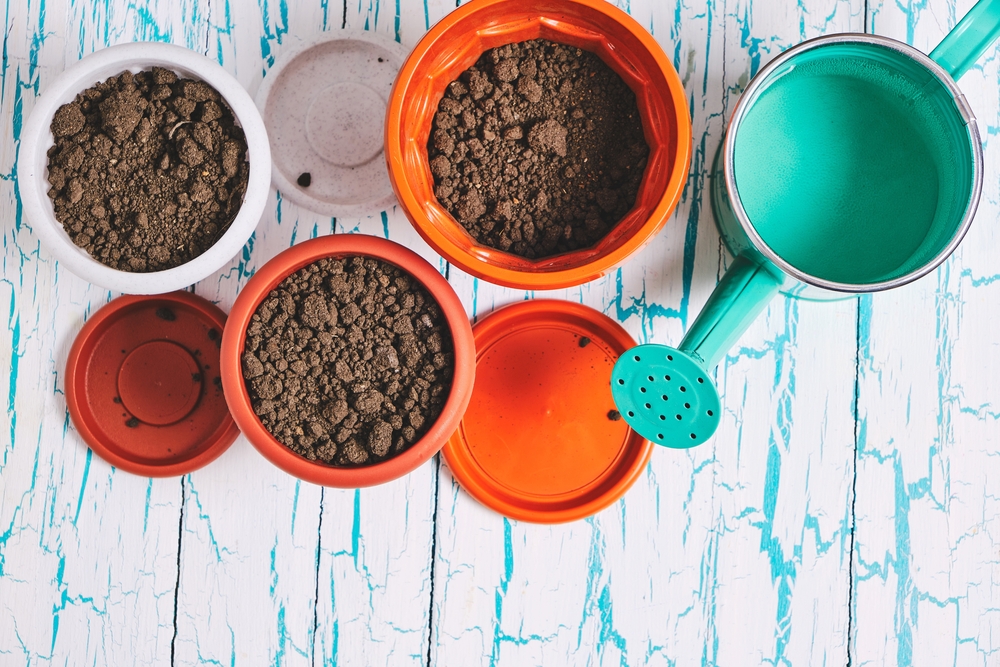
Winter sneaks in like that one neighbor who never knocks—suddenly, urgently, and usually right when your favorite garden pots are full of thriving plants. Then the temperature drops, ice forms, and suddenly your once-beautiful terracotta containers look like they lost a fight with a brick. It’s painful, dramatic, and completely avoidable. The cold doesn’t have to win. With some smart, low-cost tricks, you can protect your pots and keep your plants happy without turning your patio into a home improvement spending saga.
Understand Why Pots Crack At All
Before solving the problem, it helps to know what’s actually happening during those cold snaps. Most outdoor pots, especially terracotta, ceramic, stone, and concrete types, are porous, meaning they absorb moisture. When temperatures drop below freezing, the water trapped inside the tiny pores expands as it turns to ice. That expansion creates pressure, and once the stress becomes too much, your pot splits or flakes apart. Understanding this one simple chain reaction is the key to preventing it.
Choose Pots That Stand A Better Chance
Not all pots are equally fragile when it comes to winter. Glazed ceramic pots tend to have fewer pores and therefore absorb less moisture, making them naturally more cold-resistant. Meanwhile, thick terracotta and unglazed clay, though charming, act like sponges and need a little extra care. Plastic pots may not be glamorous, but they can handle winter like champs because they don’t absorb water or expand with freezing temperatures. If you already have pots that are cold-sensitive, don’t worry—you don’t need to replace them, just treat them differently.
Raise Your Pots Off The Ground
The ground absorbs and holds cold, so when your pot sits directly on concrete, brick, or soil, it’s exposed to even more freezing conditions. Simply raising your pots off the ground can reduce that stress dramatically. You can use bricks, old pieces of wood, leftover tile, or even upside-down saucers to lift your pots slightly. Elevation helps water drain instead of pooling under the pot, which also reduces cracking risk. Just an inch or two of lift can make your beautiful planters last several winters longer.
Improve Drainage To Stop Freeze Pressure
Because water expansion is the real villain here, keeping excess moisture out of your pot walls is crucial. First, always make sure every pot has a drainage hole—if not, you’ll need to add one (carefully!) or use the pot as a decorative cover for a drainable pot inside. Second, add a layer of gravel, pebbles, or broken pottery pieces at the bottom to prevent soggy soil. Third, choose a well-draining potting mix rather than using heavy garden soil, which traps more water. When water flows freely, ice pressure has no chance to build.
Bring Pots Closer To Your Home Or Walls
Your home radiates warmth—even a few degrees can make a difference in whether your pots survive. By moving your pots closer to the house, a shed, or even a fence, you provide a small temperature buffer. This micro-warmth zone reduces the severity of freezing and thawing cycles that cause cracking. The key here is proximity—just a foot or two closer to shelter can matter. This trick works especially well on covered patios, entryways, and balcony corners.
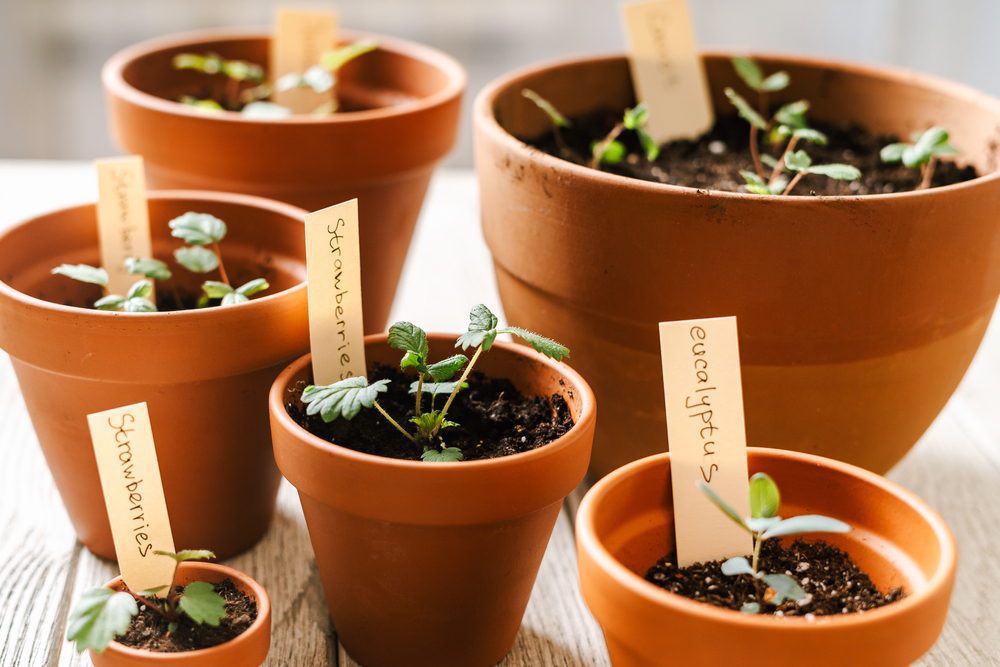
Wrap Pots Like You’re Tucking Them In
If your pots are too heavy or awkward to move, wrapping them for insulation works beautifully. You can use burlap, bubble wrap, old blankets, frost cloths, or leftover packing foam to create a protective layer. The goal is to slow down the rate at which the pot absorbs cold, allowing expansion to occur more gradually and reducing stress on the structure. Just wrap the pot sides—not the soil surface—so your plant still receives light and air. Think of it like giving the pot a warm winter jacket: functional, not fashionable.
Use The Double-Pot Technique
This method is brilliant, simple, and requires no new purchases. All you do is place your main plant pot inside a slightly larger one and stuff the gap between them with mulch, straw, packing peanuts, or newspaper. This creates a barrier of trapped air—the same principle behind insulated mugs and warm winter coats. The outer pot takes the brunt of the cold while the inner pot stays safe and stable. It’s a sneaky trick, but your pots will quietly thank you for it all winter long.
Store Empty Pots Smartly During Winter
If you have pots that aren’t currently in use, don’t leave them sitting outside exposed to the elements. Empty pots still absorb moisture and can still crack even without soil inside. Instead, stack and store them in a garage, shed, basement corner, or even under a sturdy patio table. If stacking, cushion each layer with cardboard or cloth to prevent scratches and pressure cracks. Even small protective measures make a huge difference when temperatures yo-yo wildly.
Keep Your Pots Strong And Your Plants Happy
Saving your pots from winter cracking doesn’t require buying new planters or investing in expensive materials. All it takes is awareness, simple insulation, better drainage, and a little strategic repositioning. The more you understand how pots react to cold, the easier it becomes to protect them year after year. Your pots are capable of lasting many winters with just a bit of care.
Have your pots ever cracked in the cold, or do you have your own tried-and-true method to save them? Share your experience, tips, or questions in the comments section below.
You May Also Like…
- How to Keep Your Citrus Trees Alive When November Frost Hits Hard
- Your Raised Beds Need This One Winter Trick Before the Ground Freezes
- 9 Shrubs With Berries Birds Rely on in Winter
- 10 Cold-Hardy Veggies That Thrive When Everyone Else Gives Up
- 7 DIY Cold-Weather Garden Covers That Actually Work

Brandon Marcus is a staff writer for FrugalGardening.com at District Media, Inc., where he delivers practical gardening advice with a relatable, no-nonsense style. An avid amateur gardener, he holds a BA degree and with over ten years of professional writing experience, he is also an award-winning published author whose first book, Questions For Deep Thinkers, was released by Adams Media. His work has appeared in major publications including Fandom.com, CHUD.com, TheColdWire.com, and Fansided.com.
Leave a Reply