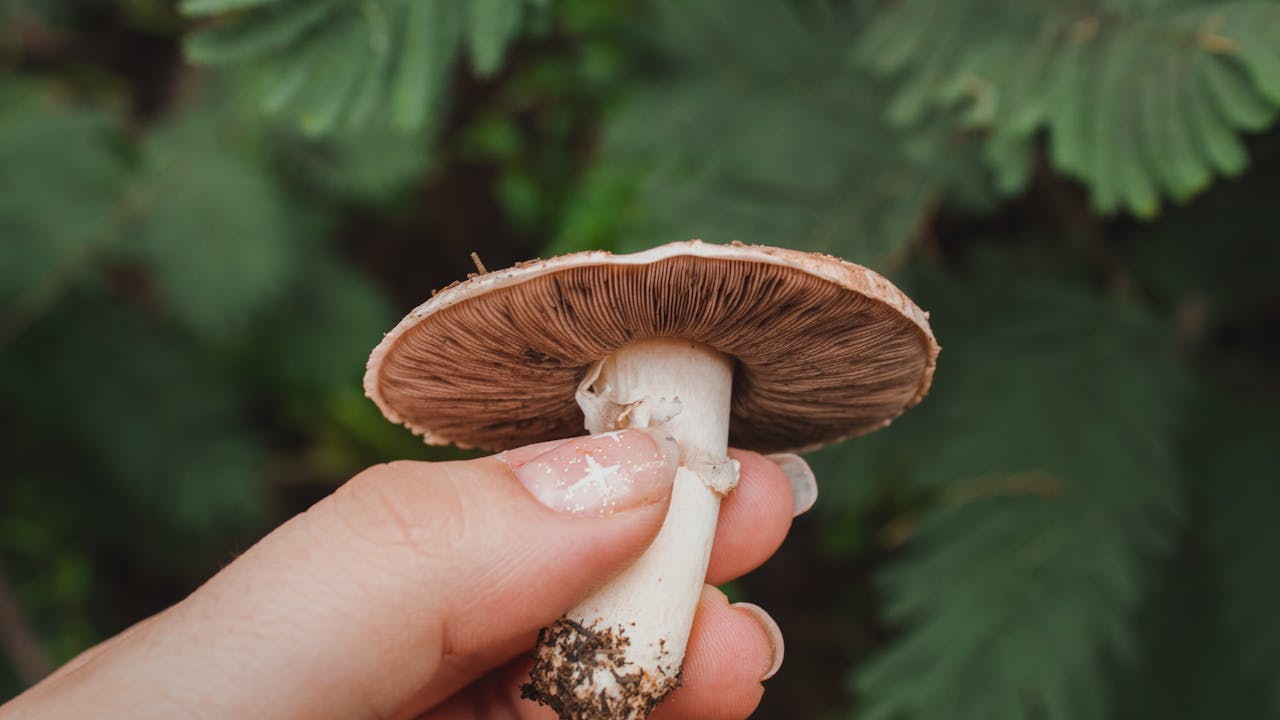
Mushrooms might look like simple little forest snacks, but growing them at home turns into a surprisingly strategic money decision. A countertop mushroom kit versus DIY setup quickly reveals two very different paths, one built for convenience and the other built for experimentation. Grocery store mushrooms keep creeping up in price, especially specialty varieties like oyster or shiitake, which makes home growing more appealing than ever. Many gardeners jump into mushroom growing expecting a fun hobby, only to discover that costs, timing, and yield vary wildly depending on the method.
The appeal of fresh mushrooms growing right in the kitchen sounds almost magical, but real numbers matter just as much as excitement. A pre-packaged kit promises simplicity, while a DIY setup promises control and lower long-term costs. Both paths can produce delicious harvests, but they differ in startup investment, failure risk, and ongoing effort.
Cost Breakdown: Kits Look Expensive Until DIY Starts Adding Up
The countertop mushroom kit versus DIY mushrooms question starts with upfront cost, and the difference often surprises beginners. A typical mushroom kit costs between $25 and $60, depending on the strain and brand. DIY setups can start as low as $30 but quickly climb once substrates, spores, sterilization tools, and containers enter the picture. Many first-time growers underestimate how quickly small purchases stack up when building a system from scratch. The countertop mushroom kit vs DIY mushrooms debate becomes less about sticker price and more about total startup reality.
DIY setups also demand trial and error, which often translates into wasted materials during early attempts. Kits remove guesswork by providing a fully colonized block ready to fruit almost immediately. That convenience carries a price, but it also eliminates the hidden losses that beginners often face. The battle between countertop mushroom kits and DIY mushrooms shows that kits win on predictability, while DIY wins only when experience builds. Over time, repeat DIY growers may lower costs, but beginners rarely hit that efficiency right away.
Time Investment and Yield Reality Changes the Financial Equation
The countertop mushroom kit versus DIY mushrooms conversation shifts dramatically when time enters the equation. Kits typically produce harvests within 7 to 14 days after setup, making them ideal for quick gratification. DIY grows can take weeks or even months before the first successful flush appears, depending on technique and conditions. That delay impacts perceived value because time also carries an indirect cost in effort and attention. The countertop mushroom kit vs DIY mushrooms decision often hinges on whether patience or convenience matters more.
Yield also plays a major role in long-term savings and return on investment. Kits usually produce one to three flushes before exhaustion, while DIY setups can potentially produce more cycles if managed correctly. However, inconsistency often reduces DIY yield for beginners, especially when contamination enters the equation. The countertop mushroom kit vs DIY mushrooms debate reveals that kits offer stability while DIY offers potential upside. That trade-off shapes whether the goal focuses on learning or saving money quickly.
Flavor, Risk, and Hidden Failures That Quietly Drain Value
The countertop mushroom kit versus DIY mushrooms comparison does not end with cost and time because quality and risk shift the equation further. Kits provide controlled conditions that reduce contamination risk and ensure edible, safe mushrooms. DIY setups expose growers to environmental variables that can lead to mold, bacteria, or failed colonization. That risk translates into lost materials, lost time, and sometimes a complete restart.
Flavor differences also enter the discussion, especially for growers chasing gourmet results. DIY setups allow more experimentation with substrate blends, which can enhance texture and taste when done correctly. Kits, however, deliver consistent flavor profiles that match commercial standards. The countertop mushroom kit vs DIY mushrooms debate shows that consistency often beats creativity for beginners. More advanced growers eventually shift toward DIY once they master environmental control.
The Hidden Costs Most People Don’t Calculate at First
The countertop mushroom kit vs DIY mushrooms comparison gets more complicated when hidden costs enter the picture. Electricity for humidity control, spray bottles, sterilization equipment, and replacement spores all add incremental expenses. Kits bundle most of these needs into one upfront purchase, which simplifies budgeting significantly. DIY growers often underestimate how many small tools become necessary over time. The countertop mushroom kit vs DIY mushrooms decision becomes clearer once those extras appear on the receipt.
Another overlooked factor involves learning curves, which often cost more than money in the early stages. Failed batches require troubleshooting, research, and sometimes complete resets of the growing environment. Kits reduce that learning curve by offering a guided, repeatable process. The countertop mushroom kit versus DIY mushrooms debate highlights that simplicity itself carries value. Many growers eventually realize that frustration has a price tag too.
Which Method Actually Saves More Money in the Long Run
Kits usually save more money for beginners because they reduce waste, failures, and setup costs. DIY becomes more cost-efficient only after repeated cycles and improved skill levels. The countertop mushroom kit vs DIY mushrooms comparison shows that long-term savings favor DIY, but short-term savings favor kits. That balance shifts as growers gain confidence and refine their systems.
Which method would you choose for a first harvest—quick kit success or full DIY control? Let’s chat about it in our comments!
You May Also Like…
Why Mushrooms Suddenly Appear in Lawns
The Indoor Herb Hack: Growing Fresh Flavor in a Dark Kitchen for Pennies
How to Start Seeds Indoors on a Tight Budget Without Wasting Money
Experts Say These Indoor Greenhouses Are Failing Seedlings in Cold Snaps
The Window Sill Secret: Why You Don’t Need a Yard to Be a Farmer

Brandon Marcus is a staff writer for FrugalGardening.com at District Media, Inc., where he delivers practical gardening advice with a relatable, no-nonsense style. An avid amateur gardener, he holds a BA degree and with over ten years of professional writing experience, he is also an award-winning published author whose first book, Questions For Deep Thinkers, was released by Adams Media. His work has appeared in major publications including Fandom.com, CHUD.com, TheColdWire.com, and Fansided.com.
Leave a Reply