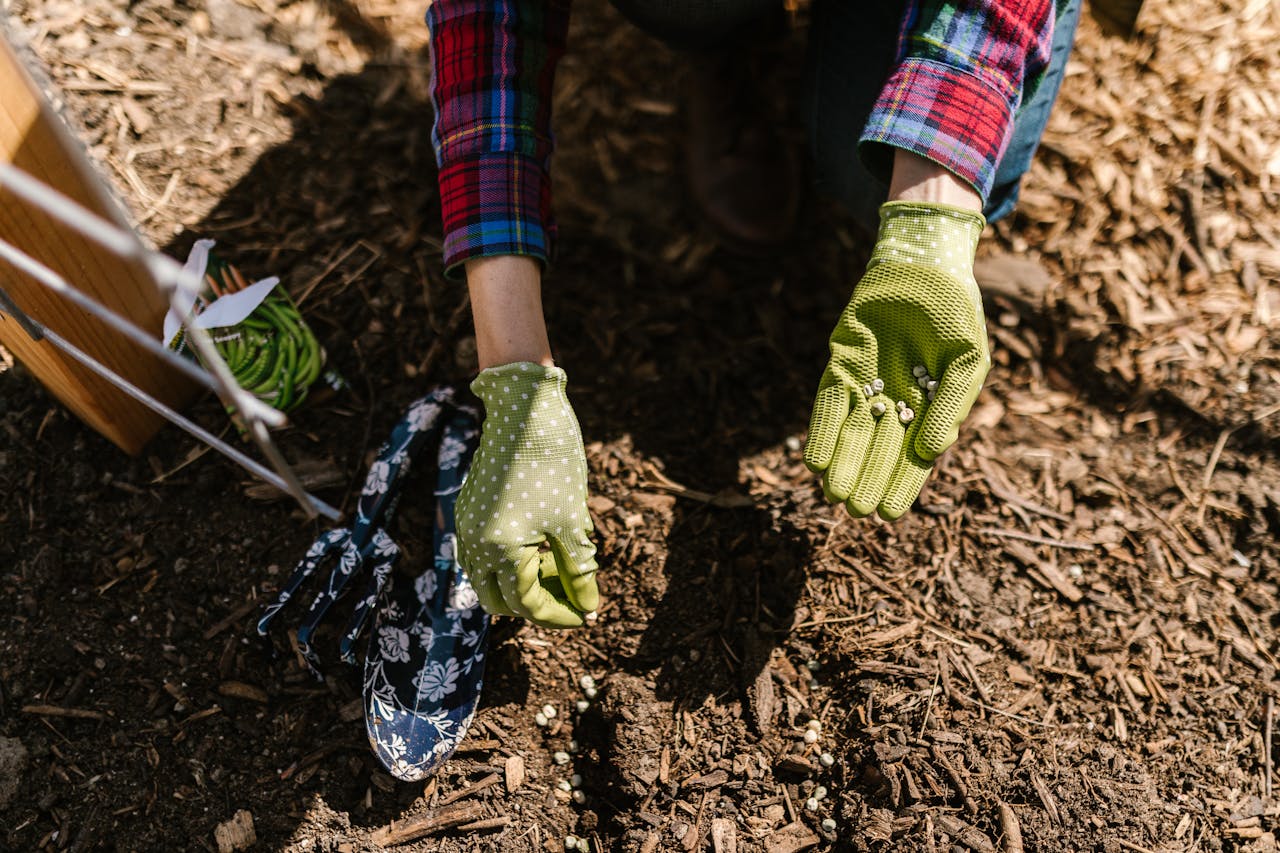
Gardening has a secret advantage hiding in plain sight, and it is not found in expensive seed catalogs or big-box garden centers. It grows quietly inside community spaces where neighbors share something far more valuable than coupons or discounts: seeds with stories attached. A neighborhood seed library turns everyday gardeners into contributors, creating a cycle where planting today fuels abundance tomorrow. This system reshapes how gardens grow by reducing costs, increasing variety, and building local resilience. Instead of paying full price for every seed packet, gardeners tap into a living network of shared resources that keeps expanding each season.
This idea feels almost too simple, yet it carries real financial impact for anyone trying to stretch a gardening budget. Seed libraries often live inside public libraries, community centers, or even repurposed mailbox-style stands along neighborhood paths.
What a Neighborhood Seed Library Actually Is and Why It Works
A neighborhood seed library functions like a free exchange system where seeds move between gardeners instead of sitting on retail shelves. Participants “check out” seeds in small packets and return new seeds after harvest, much like a book lending system. Libraries often organize seeds by category such as vegetables, herbs, and flowers to keep the system easy to navigate. Volunteers usually maintain inventory, label packets, and track what grows well in the local climate. This structure keeps the system organized while still feeling relaxed and community-driven.
The real strength of a seed library comes from local adaptation over time, which improves gardening success rates dramatically. Seeds saved from thriving plants in one neighborhood often perform better than commercial varieties shipped from far away. Gardeners notice stronger germination, better pest resistance, and improved yields as generations of seeds adapt to local conditions. This process creates a natural feedback loop where success builds on success each season. That is why many gardeners see seed libraries as both a financial tool and a long-term sustainability strategy.
How Neighbors Quietly Fund Each Other’s Gardens Without Cash
A seed library creates a hidden form of value exchange that replaces money with shared abundance and trust. One gardener’s surplus becomes another gardener’s starting point, which reduces the need for repeated purchases at garden centers. Over time, this system can cut seed costs significantly, especially for families who grow multiple crops each year. Communities effectively “fund” each other’s gardens by circulating resources that would otherwise go to waste. That cycle builds financial relief into the structure of the garden itself.
This system also reduces risk for beginners who often hesitate to invest heavily in gardening supplies. Instead of buying expensive seed packets that may or may not succeed, new gardeners can experiment with shared seeds. If a crop fails, no major financial loss occurs, which encourages learning through experience. That safety net builds confidence and encourages more people to participate in growing food. The entire neighborhood benefits as more gardeners contribute back into the system over time.
The Smartest Seeds to Borrow, Grow, and Return for Maximum Success
Not all seeds perform equally well in a shared system, so selection matters more than most gardeners realize. Reliable options include beans, lettuce, tomatoes, peppers, and herbs because they grow easily and produce abundant seeds for return. These crops also adapt quickly to local soil and weather conditions, which strengthens future harvests. Choosing hardy, open-pollinated varieties ensures that saved seeds remain viable for future seasons. That strategy keeps the library strong and productive year after year.
Gardeners also benefit from focusing on plants that produce high seed yields without complicated harvesting techniques. Flowers like marigolds and sunflowers add beauty while generating plenty of seeds for redistribution. Vegetables such as squash and peas offer similarly generous returns when grown in healthy soil. Careful selection helps prevent shortages in the seed library and keeps the exchange system balanced. Thoughtful participation ensures that everyone benefits, not just the most experienced growers.
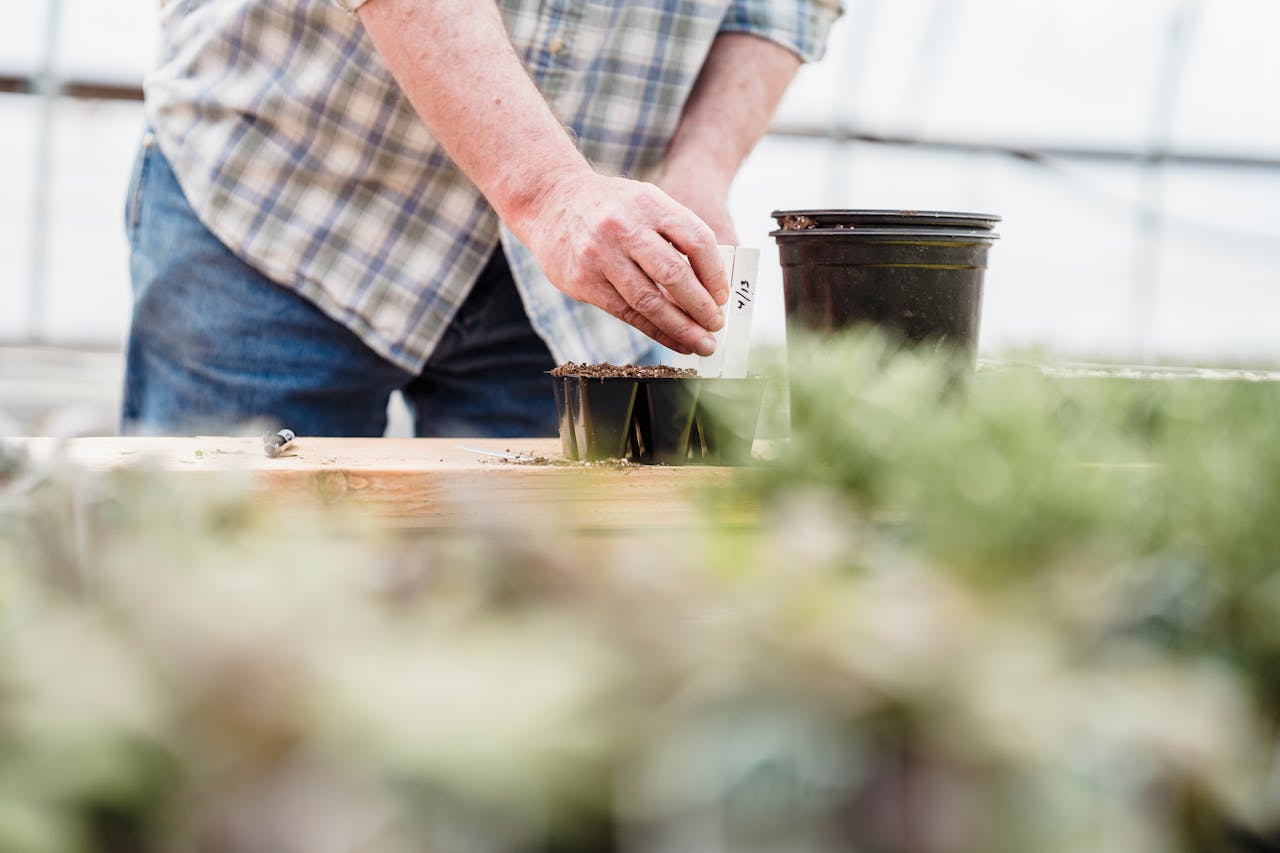
How to Find or Start a Seed Library That Actually Thrives
Finding a seed library often starts with checking local public libraries or community gardening groups that already support sustainability programs. Many libraries now dedicate small sections to seed sharing because of growing interest in food independence. If none exist nearby, starting one can begin with a simple donation box and a basic labeling system. Clear guidelines help participants understand how many seeds to take and how to return them. Structure keeps the system fair while still welcoming newcomers.
Successful seed libraries rely on consistent participation and clear communication rather than complex infrastructure. Regular workshops or seasonal events help educate gardeners about seed saving techniques and plant care. Local volunteers often play a key role in maintaining organization and encouraging participation. Over time, even small programs can grow into essential community resources. That growth transforms gardening from an individual hobby into a shared neighborhood asset.
The Real Harvest: Stronger Gardens, Stronger Communities, Lower Costs
A neighborhood seed library does more than supply seeds because it reshapes how communities think about growing food and sharing resources. It lowers gardening costs, improves plant resilience, and strengthens local food systems through cooperation instead of competition. Every seed exchanged carries both economic value and community connection, which builds something far more powerful than a simple savings plan. That combination turns ordinary gardening into a long-term investment in neighborhood stability. The true harvest comes from the relationships and resilience built along the way.
What would you grow first if your neighborhood handed out free seeds for your garden? Do you have any experience with neighborhood seed gardens? If so, we want to hear from you in our comments section below.
You May Also Like…
Why Cheap Seeds Can Sometimes Cost You More in the Long Run
Buying “Last Year’s” Seeds: Does It Actually Matter for Your Harvest?
5 DIY Bird Deterrents That Protect Seeds and Seedlings
The Local Library Secret: How to Get Your Seeds for Free This Year
The Milk Jug Greenhouse: The Easiest Way to Protect Your Seedlings for Free

Brandon Marcus is a staff writer for FrugalGardening.com at District Media, Inc., where he delivers practical gardening advice with a relatable, no-nonsense style. An avid amateur gardener, he holds a BA degree and with over ten years of professional writing experience, he is also an award-winning published author whose first book, Questions For Deep Thinkers, was released by Adams Media. His work has appeared in major publications including Fandom.com, CHUD.com, TheColdWire.com, and Fansided.com.
Leave a Reply