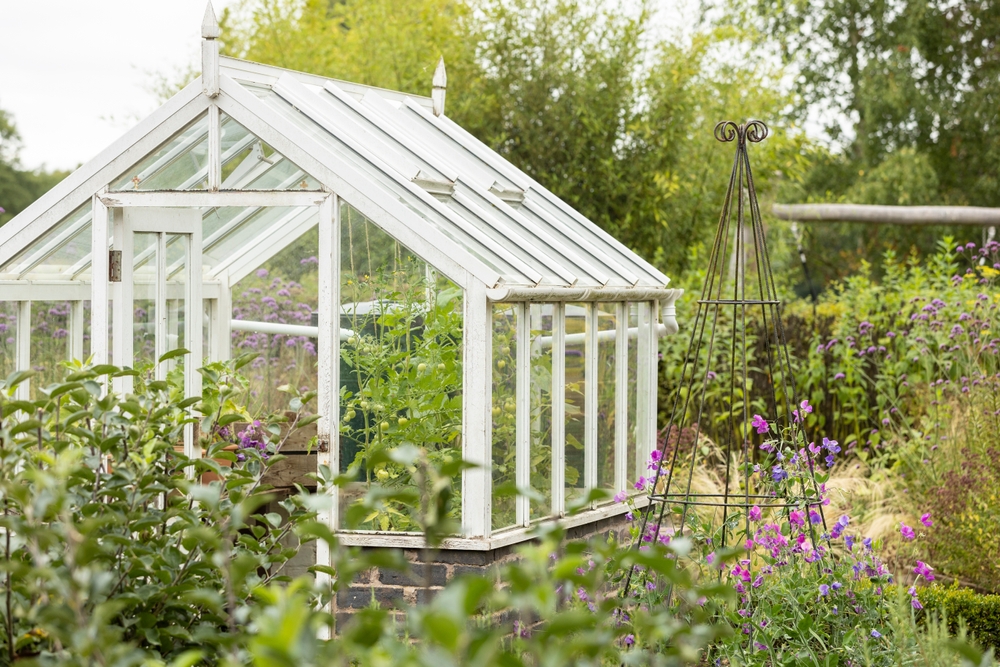
A greenhouse feels like the ultimate gardening power move. It’s warm, bright, protected from the elements, and full of life, which makes it incredibly tempting to treat it like a magical all-purpose storage zone.
But a greenhouse isn’t just a structure, it’s a carefully balanced ecosystem. Temperature, humidity, airflow, light, and cleanliness all matter, and the wrong item in the wrong corner can quietly wreck that balance. If you want thriving plants, healthy soil, and a space that actually works with you instead of against you, there are some things that simply don’t belong in there. Experts agree: certain items can attract pests, spread disease, damage plants, or even create safety risks.
1. Household Chemicals and Cleaning Products
A greenhouse is not a garage, a basement, or a utility closet, even if it sometimes feels like a convenient place to stash things. Household cleaners, solvents, paint, fuel, and chemical sprays can release fumes when heated, and greenhouses get hot. Those vapors don’t just smell unpleasant—they can damage sensitive plants, contaminate soil, and interfere with healthy growth.
Many plants absorb airborne toxins more easily than people realize, especially in enclosed spaces with limited ventilation. On top of that, spills in a greenhouse environment can quickly become a contamination nightmare, soaking into soil beds and surfaces where food plants grow. Experts consistently warn that chemical storage and food-growing spaces should never overlap, no matter how well-sealed the containers seem.
2. Non-Garden Tools and Random Household Storage
It’s easy to look at open greenhouse floor space and think, “Perfect place for this extra chair, bike, box of books, or storage bin.” That’s how clutter happens. Non-garden items block airflow, reduce light penetration, and make it harder to control temperature and humidity. They also create cozy hiding spots for pests like rodents and insects, which love quiet, undisturbed corners.
A greenhouse should function like a working system, not a spare room, and every object inside it should serve plant health in some way. Experts emphasize that good greenhouse management is about simplicity and intention, not storage convenience. If it doesn’t help plants grow, it probably doesn’t belong there.
3. Food, Animal Feed, and Pet Supplies
Storing food in a greenhouse might seem harmless, especially if it’s sealed, but it’s basically an open invitation for pests. Rodents, ants, beetles, raccoons, and even birds are incredibly good at finding food, and a greenhouse offers warmth, shelter, and easy access. Once pests move in, they don’t just go after stored food—they go after seedlings, roots, leaves, and soil.
Animal feed and pet supplies are especially problematic because they’re designed to be nutrient-dense, making them extremely attractive to wildlife. Experts warn that food storage and plant-growing spaces should always be separate to avoid infestations and contamination. A greenhouse should feel alive and clean, not like a snack bar for every creature in the area.
4. Diseased Plants and Infected Soil
This one surprises a lot of people, but a greenhouse is actually the worst place to store sick plants or contaminated soil. The warm, humid environment that helps healthy plants thrive is also perfect for spreading fungal spores, bacteria, and plant viruses. One infected pot can turn into a full greenhouse outbreak faster than most gardeners expect.
Experts strongly advise isolating diseased plants completely and disposing of infected soil properly instead of trying to “store it for later.” Keeping sick plants in a greenhouse is like putting one bad apple in a fruit bowl and hoping for the best. Prevention is always easier than trying to fix a full-blown plant health crisis.
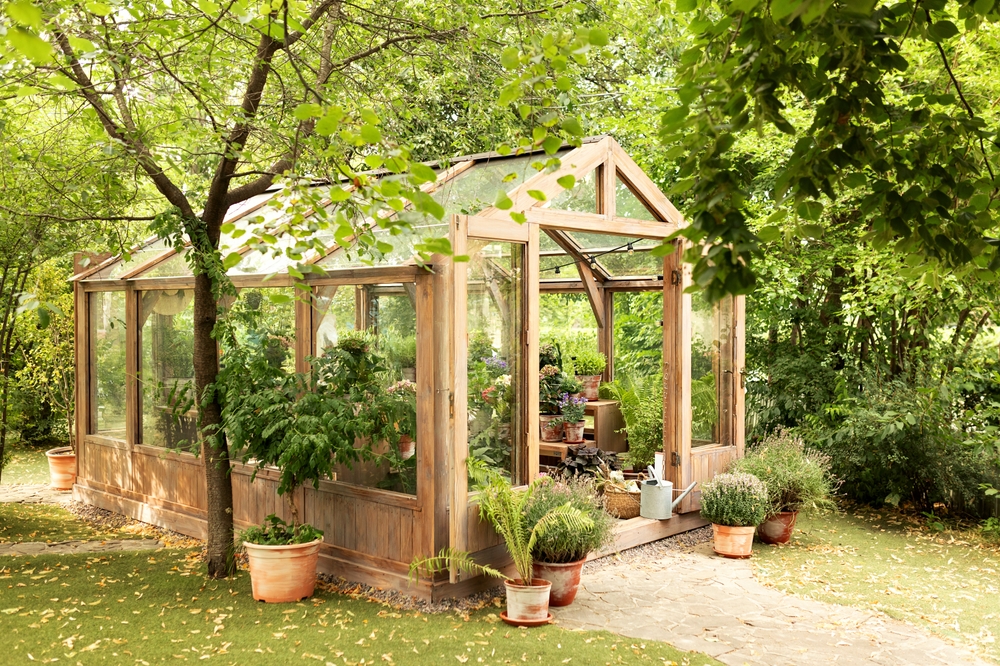
5. Plastic Containers and Cheap Storage Bins
Not all plastic is greenhouse-safe. Low-quality plastic bins, containers, and storage totes can warp, crack, and release chemicals when exposed to high heat and UV light. Over time, they break down and create microplastic debris that can mix into soil and water. Some plastics also trap moisture, creating mold and mildew problems in enclosed spaces.
Experts recommend using greenhouse-rated storage materials like metal shelving, treated wood, or high-quality UV-stable containers if storage is truly necessary. A greenhouse should be built for durability, not slow deterioration. Cheap storage solutions often become expensive problems later.
6. Fertilizers and Garden Chemicals in Bulk Storage
Even garden-approved products can become a problem if they’re stored incorrectly. Fertilizers, pesticides, herbicides, and soil treatments can degrade in heat, lose effectiveness, or become unstable. In extreme temperatures, some products can even become hazardous. Greenhouses often experience temperature swings that make them unreliable for chemical stability.
Experts recommend storing these products in cool, dry, well-ventilated areas away from living plants. It’s safer for your plants, safer for you, and better for the longevity of the products themselves. A greenhouse should nourish life, not quietly stockpile risks.
A Greenhouse Should Be a Sanctuary, Not a Storage Unit
A greenhouse works best when it’s treated like a living space, not a convenience closet. Every object inside it affects temperature, humidity, airflow, and plant health in ways that aren’t always obvious at first glance. Keeping it clean, intentional, and plant-focused creates a healthier environment and a more enjoyable gardening experience.
What’s the strangest thing you’ve ever seen stored in a greenhouse—or accidentally stored there yourself? Let’s talk about our greenhouse stories in the comments below.
You May Also Like…
Experts Say These Indoor Greenhouses Are Failing Seedlings in Cold Snaps
10 Terrariums Indoor Greenhouses You Can Set Up This Winter
When Should You Start Building Your Greenhouse for Next Season?
Studies Find Dangerous Bacteria in DIY Compost — Experts Urge Caution
How to Keep Your Greenhouse Warm Without Skyrocketing Energy Bills

Brandon Marcus is a staff writer for FrugalGardening.com at District Media, Inc., where he delivers practical gardening advice with a relatable, no-nonsense style. An avid amateur gardener, he holds a BA degree and with over ten years of professional writing experience, he is also an award-winning published author whose first book, Questions For Deep Thinkers, was released by Adams Media. His work has appeared in major publications including Fandom.com, CHUD.com, TheColdWire.com, and Fansided.com.
Leave a Reply