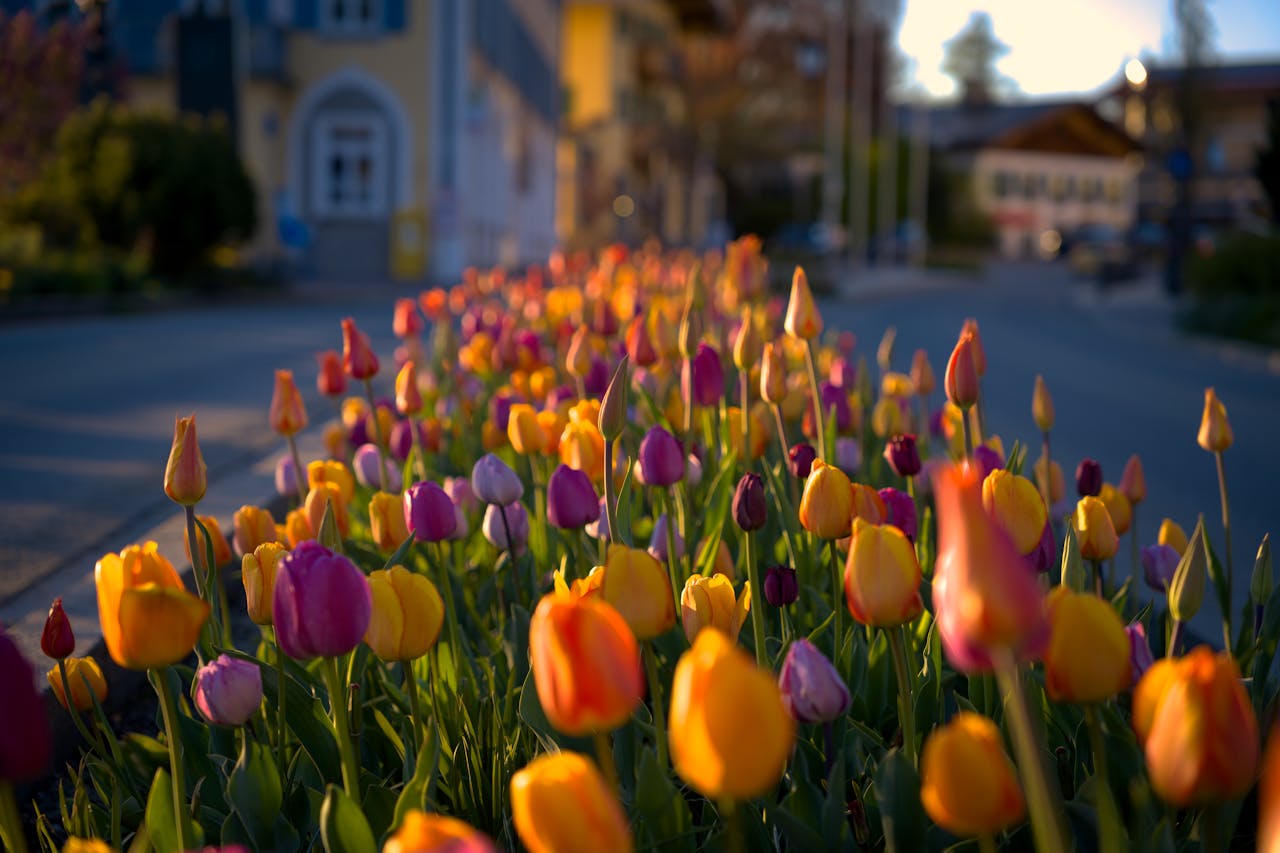
A dull street can drain energy from an otherwise great neighborhood, but a few clever gardening moves can flip that script fast. Guerrilla gardening turns overlooked patches of dirt into vibrant pockets of color without requiring a big budget or formal permission. This approach blends creativity, strategy, and a little boldness to create visible impact where it matters most. Sidewalk edges, neglected medians, and forgotten corners suddenly become opportunities instead of eyesores. The best part involves transforming shared spaces without spending much more than time and intention.
This style of gardening thrives on resourcefulness and smart planning rather than expensive materials. Seeds, cuttings, and rescued plants can go a long way when paired with the right timing and placement. A well-executed guerrilla gardening project doesn’t just improve aesthetics—it can increase neighborhood pride and even boost nearby property appeal.
Why Guerrilla Gardening Works Better Than You Think
Guerrilla gardening delivers immediate visual impact because it targets spaces that most people ignore every day. A bare patch of soil or a cracked curb strip stands out even more once greenery fills the gap. Plants naturally soften harsh urban lines, making streets feel calmer and more inviting. Studies in urban design consistently show that greenery reduces stress and improves overall mood. That means even small planting efforts can shift how people experience an entire block.
This approach also works because it builds momentum quickly and visibly. One small planted area often inspires neighbors to take better care of their own spaces. People tend to respect and protect areas that look cared for, which reduces litter and neglect over time. Guerrilla gardening can quietly spark a chain reaction of improvement without formal organization. That ripple effect turns a single effort into a broader neighborhood upgrade.
Choosing the Right Spots for Maximum Impact
Not every patch of land offers the same potential, so smart placement makes all the difference. High-visibility areas like sidewalk edges, traffic islands, and tree bases create the strongest visual return. These spots attract daily foot traffic, which means more people notice the transformation. Focus on locations that already receive some sunlight and basic drainage to give plants a fighting chance. Avoid areas that face constant disturbance, such as construction zones or heavy footpaths.
Timing is important for success, especially when working without formal irrigation systems. Early spring and fall provide ideal conditions for plant establishment in most climates. Choosing the right moment reduces the need for ongoing maintenance and watering. A well-timed planting session can allow nature to handle much of the heavy lifting. That strategy keeps the project sustainable and truly low-cost.
Picking Plants That Thrive Without Fuss
Low-maintenance plants act as the backbone of any successful guerrilla gardening effort. Hardy perennials, native species, and drought-tolerant flowers can survive with minimal care once established. Plants like lavender, daylilies, black-eyed Susans, and ornamental grasses offer both durability and visual appeal. Native plants, in particular, adapt well to local conditions and often require less water and attention. That combination makes them ideal for spaces that won’t receive regular upkeep.
Mixing textures and colors can elevate even a small planting area into something eye-catching. Tall grasses add movement, while flowering plants bring bursts of color throughout the season. Ground covers can fill gaps quickly and prevent weeds from taking over. A thoughtful combination creates a layered, intentional look rather than something random. This approach ensures that the space looks designed, not accidental.
Sourcing Materials Without Spending a Dime
A true guerrilla gardener knows how to find resources without opening a wallet. Plant swaps, community groups, and online marketplaces often offer free cuttings or leftover plants. Garden centers sometimes discard slightly damaged plants that can bounce back with care. Even seed packets from previous seasons can provide plenty of material for new growth. Resourcefulness turns what others overlook into valuable planting stock.
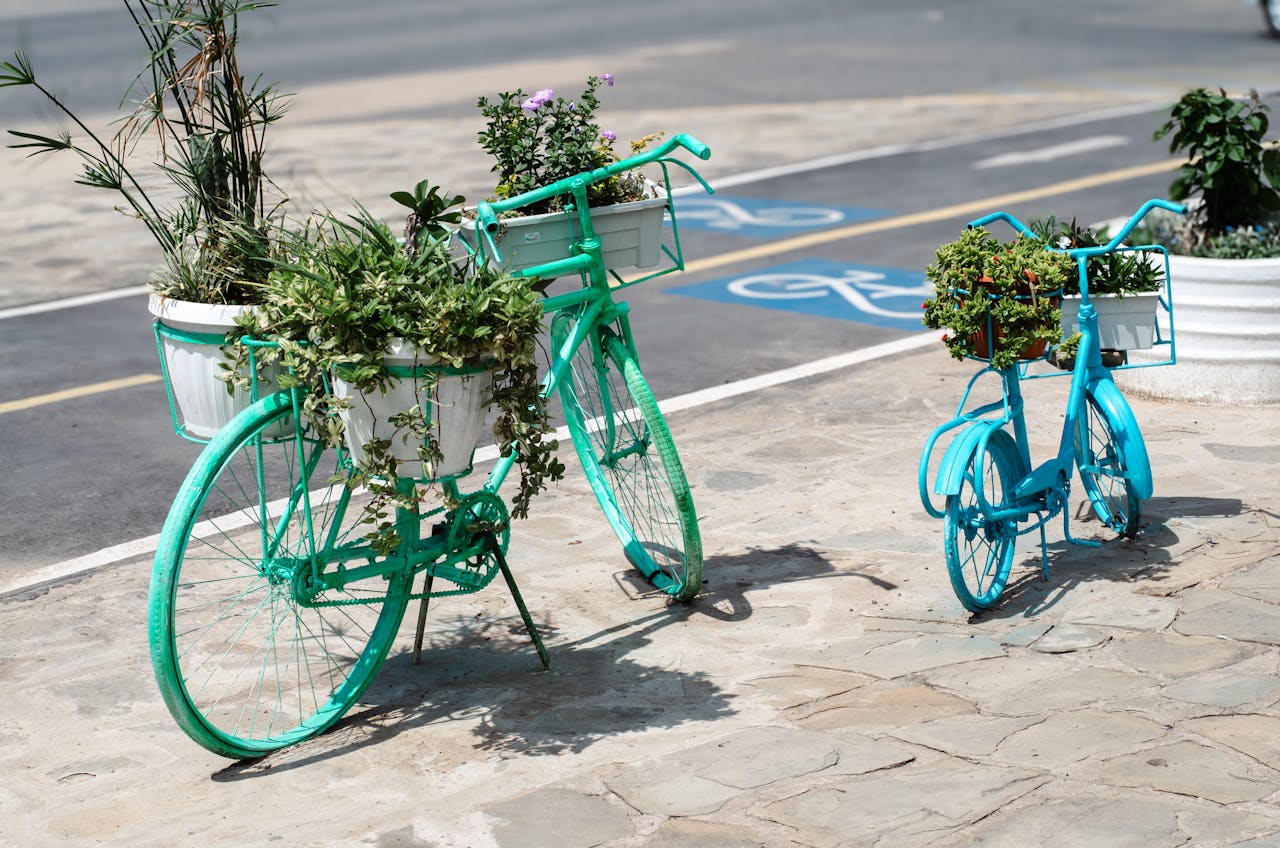
Repurposing materials adds another layer of creativity to the process. Old containers, broken pots, or even salvaged wood can define planting areas or protect young plants. Compost from kitchen scraps can enrich soil without costing anything. These small efforts build a foundation for healthier plant growth over time. Smart sourcing keeps the project accessible and sustainable for anyone willing to put in the effort.
Navigating Risks and Keeping It Responsible
Guerrilla gardening walks a fine line, so awareness and responsibility matter. Some areas may have regulations about planting on public land, so it helps to stay discreet and respectful. Choosing non-invasive plants prevents unintended environmental damage. Avoid blocking pathways, visibility, or access points to ensure safety for everyone. Thoughtful planning keeps the project beneficial rather than disruptive.
Maintenance also plays a key role in long-term success. Even low-maintenance plants need occasional attention during extreme weather or early growth stages. Checking in periodically helps ensure that the space stays healthy and attractive. A neglected planting can quickly lose its appeal and impact. Consistent care protects the effort and keeps the transformation looking intentional.
Small Actions That Quietly Transform Entire Streets
Guerrilla gardening proves that meaningful change doesn’t require big budgets or official programs. A handful of well-placed plants can reshape how a street feels and functions. These small interventions build beauty, encourage community pride, and create a more welcoming environment. Strategic choices around placement, plant selection, and timing can maximize results with minimal cost. The outcome often feels far bigger than the effort involved.
Neighborhoods evolve through small, consistent actions rather than sweeping changes. Guerrilla gardening taps into that idea by turning overlooked spaces into opportunities for improvement. With the right approach, even a modest effort can inspire others to join in. That shared sense of care can redefine an entire block over time. A little greenery can go a long way when placed with intention.
What spot on your street could use a little guerrilla gardening magic? We want to hear your thoughts and plans.
You May Also Like…
Vertical PVC Gardening: Building a Space-Saving Food Tower for $15
The Yard Waste Secret: How Your Neighbors are Giving Away Free Garden Gold
15 Low-Cost Garden Ideas That Will Wow Your Neighbors
The EPSOM Salt Myth: The Cheap Drugstore Staple That Actually Works
The Community Garden Loophole: How to Get a Plot for Less Than a Pizza

Brandon Marcus is a staff writer for FrugalGardening.com at District Media, Inc., where he delivers practical gardening advice with a relatable, no-nonsense style. An avid amateur gardener, he holds a BA degree and with over ten years of professional writing experience, he is also an award-winning published author whose first book, Questions For Deep Thinkers, was released by Adams Media. His work has appeared in major publications including Fandom.com, CHUD.com, TheColdWire.com, and Fansided.com.
Leave a Reply