A garden that grows itself sounds like a dream, but it exists in plain sight. The secret doesn’t sit in expensive landscaping plans or rare plant collections. It lives in tough, reliable plants that come back stronger, spread wider, and quietly turn a small investment into a full, thriving garden.
Skip the one-season wonders that drain the wallet and demand constant replacement. Focus instead on plants that multiply, divide, reseed, and return with confidence every single year. These garden workhorses don’t just survive; they expand, and they reward even a little effort with a lot of green payoff.
1. The Power Players: Perennials That Refuse to Quit
Perennials bring serious value to any garden because they return year after year without needing replanting. That simple trait already saves money, but some varieties take it even further by spreading naturally through roots or seeds. Plants like daylilies, hostas, and black-eyed Susans don’t stay in one neat clump for long. They grow outward, fill empty spaces, and create a fuller garden with almost no extra cost.
Daylilies thrive in a wide range of conditions and tolerate heat, poor soil, and irregular watering without much complaint. Gardeners can divide them every few years, which means one plant quickly turns into several. Hostas offer a similar advantage in shaded spaces, where many other plants struggle to perform. Their large leaves create visual impact while their root systems steadily expand beneath the soil. Black-eyed Susans bring bright color and a natural reseeding habit that helps them pop up in new spots each season.
Planting these types of perennials creates a foundation that grows stronger over time instead of fading out. A garden filled with spreading perennials starts to look more established each year, and that transformation happens without constant spending. Choosing hardy, adaptable plants ensures consistent growth and reduces the need for replacements. The goal isn’t just survival; it’s expansion, and these plants understand that assignment perfectly.
2. Self-Seeding Stars That Keep the Show Going
Some plants take a more independent route by reseeding themselves at the end of each growing season. These self-seeding varieties drop seeds that germinate the following year, often without any intervention. That natural cycle keeps the garden full and dynamic, and it introduces new growth in slightly different spots each season. Plants like cosmos, calendula, and columbine excel in this category and deliver consistent results.
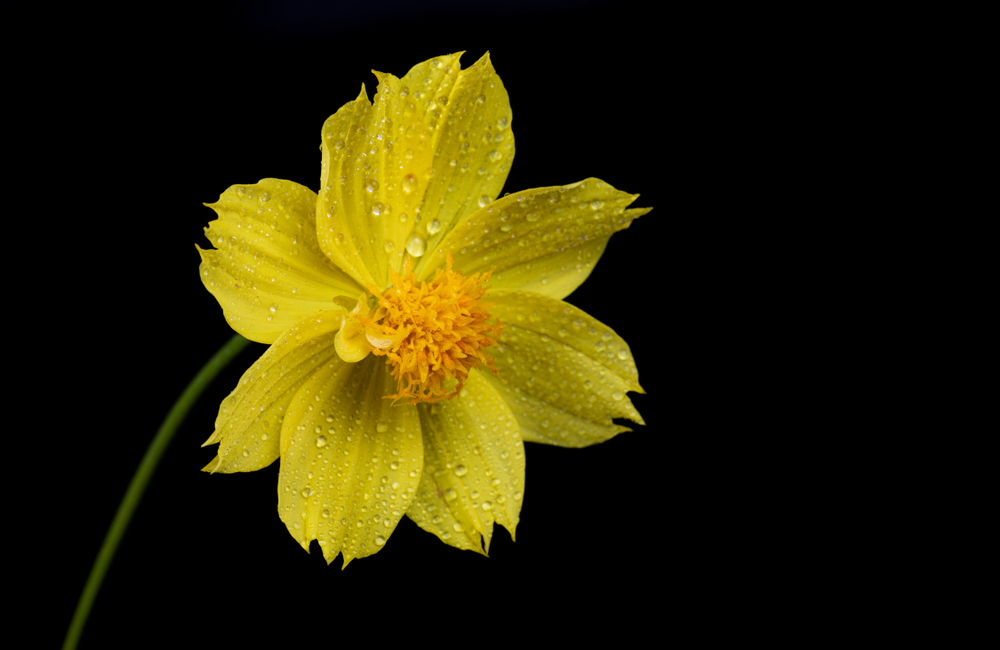
Cosmos produce light, feathery foliage and colorful blooms that attract pollinators while also scattering seeds freely. Calendula offers bright, cheerful flowers that not only reseed but also tolerate cooler temperatures, extending the growing season. Columbine brings a more delicate look with unique blooms, and it adapts well to different conditions while quietly reseeding itself in nearby areas. These plants don’t demand constant attention, but they reward patience with steady expansion.
Allowing some flowers to go to seed makes a big difference. Cutting every bloom for appearance stops the reseeding process, so leaving a few plants untouched encourages natural growth. That balance keeps the garden looking tidy while still supporting future plants. Over time, these self-seeders create a relaxed, slightly wild look that feels alive and ever-changing.
3. Divide and Conquer: Plants That Multiply Underground
Some of the most reliable multipliers grow beneath the surface, quietly expanding through roots, rhizomes, or tubers. Plants like irises, mint, and ornamental grasses spread underground and create new shoots that emerge as separate plants. This growth pattern allows gardeners to dig up sections and replant them elsewhere, instantly creating more greenery without buying anything new.
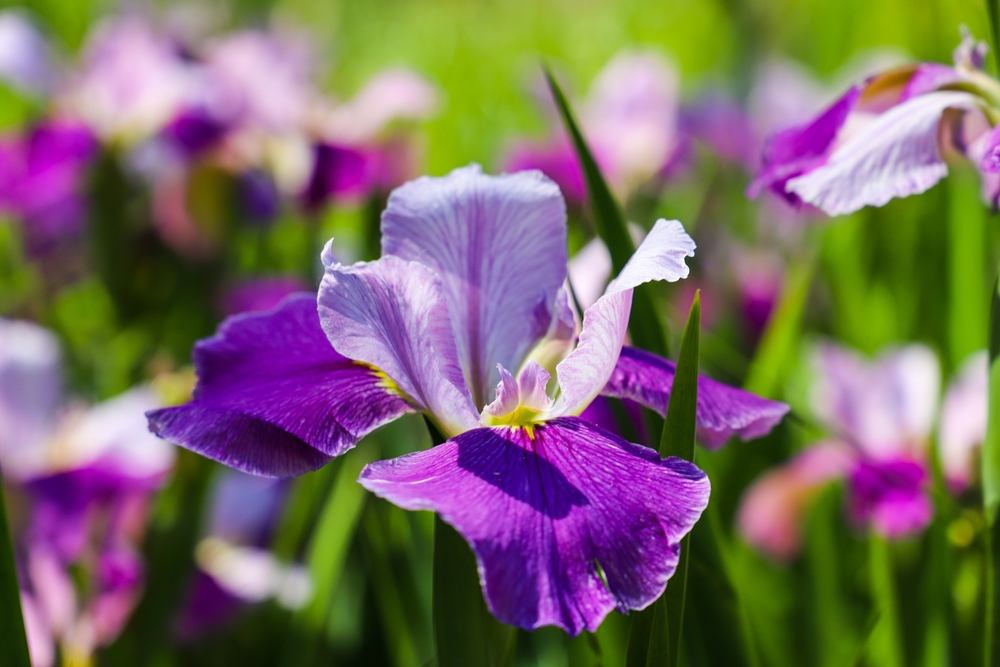
Irises offer striking blooms and a strong spreading habit through rhizomes. Dividing them every few years keeps them healthy and encourages better flowering. Mint grows aggressively and spreads quickly, which makes it perfect for filling space but also requires control. Keeping mint in containers or designated areas prevents it from taking over the entire garden. Ornamental grasses add texture and movement while steadily expanding their footprint each season.
Timing matters when dividing plants. Early spring or fall usually works best because cooler temperatures reduce stress on the plants. Carefully digging up a clump and separating it into smaller sections allows each piece to grow independently. Replanting those sections in prepared soil ensures a strong start and encourages rapid establishment.
4. Ground Covers That Spread Like a Living Carpet
Ground cover plants bring a different kind of power by spreading horizontally and filling empty spaces quickly. These plants reduce weeds, retain soil moisture, and create a polished look that ties the garden together. Varieties like creeping thyme, ajuga, and sedum excel at covering ground while multiplying steadily over time.
Creeping thyme releases a pleasant scent when stepped on and produces small flowers that attract pollinators. Ajuga forms dense mats of foliage and sends out runners that root easily, creating new plants as it spreads. Sedum thrives in dry conditions and expands with minimal care, making it ideal for low-maintenance gardens. These plants don’t just sit still; they move outward and claim space efficiently.
Planting ground covers in strategic areas makes a big difference. They work well along pathways, between stepping stones, or in areas where grass struggles to grow. Once established, they require little attention and continue to spread on their own. That steady expansion reduces the need for additional plants and cuts down on maintenance.
5. Smart Planting Moves That Maximize Growth
Choosing the right plants sets the stage, but smart planting strategies take things to the next level. Grouping plants with similar needs improves their performance and reduces stress. Sun-loving plants thrive together, while shade-tolerant varieties create a separate zone that supports their growth. This approach keeps maintenance simple and ensures that each plant gets the conditions it needs to multiply.
Spacing also plays a crucial role. Giving plants enough room to grow allows them to spread naturally without competition. Crowded plants struggle to expand, while properly spaced ones develop strong root systems and healthier growth patterns. Planning for future size instead of current appearance helps avoid the need for constant adjustments.
Watering deeply but less frequently encourages roots to grow stronger and reach further into the soil. Strong roots support better spreading and help plants survive challenging conditions. Adding organic matter to the soil improves drainage and nutrient availability, which supports long-term growth. These small steps create an environment where plants don’t just survive; they multiply with confidence.
Let the Garden Do the Heavy Lifting
A thriving garden doesn’t need constant spending or endless effort when the right plants take charge. Low-cost plants that multiply each year create a system that builds on itself, turning small beginnings into something impressive. Perennials spread, self-seeders return, underground growers expand, and ground covers fill every gap with purpose.
That kind of growth feels satisfying because it comes from smart choices and simple care. A garden that multiplies delivers beauty, value, and a sense of momentum that keeps things exciting season after season.
Which plant would take the spotlight in a garden designed to grow bigger every year, and what strategies would make that space thrive even more? Share your thoughts, ideas, or favorite multiplying plants in the comments and keep the inspiration growing.
You May Also Like…
Plants That Thrive With Minimal Fertilizer
How to Protect Plants From Strong March Winds
Plants You Can Still Start Indoors for Free
Why Some Plants Struggle Every Spring (And How March Plays a Role)
6 Flowers That Self-Seed and Return Without Effort

Brandon Marcus is a staff writer for FrugalGardening.com at District Media, Inc., where he delivers practical gardening advice with a relatable, no-nonsense style. An avid amateur gardener, he holds a BA degree and with over ten years of professional writing experience, he is also an award-winning published author whose first book, Questions For Deep Thinkers, was released by Adams Media. His work has appeared in major publications including Fandom.com, CHUD.com, TheColdWire.com, and Fansided.com.
Leave a Reply