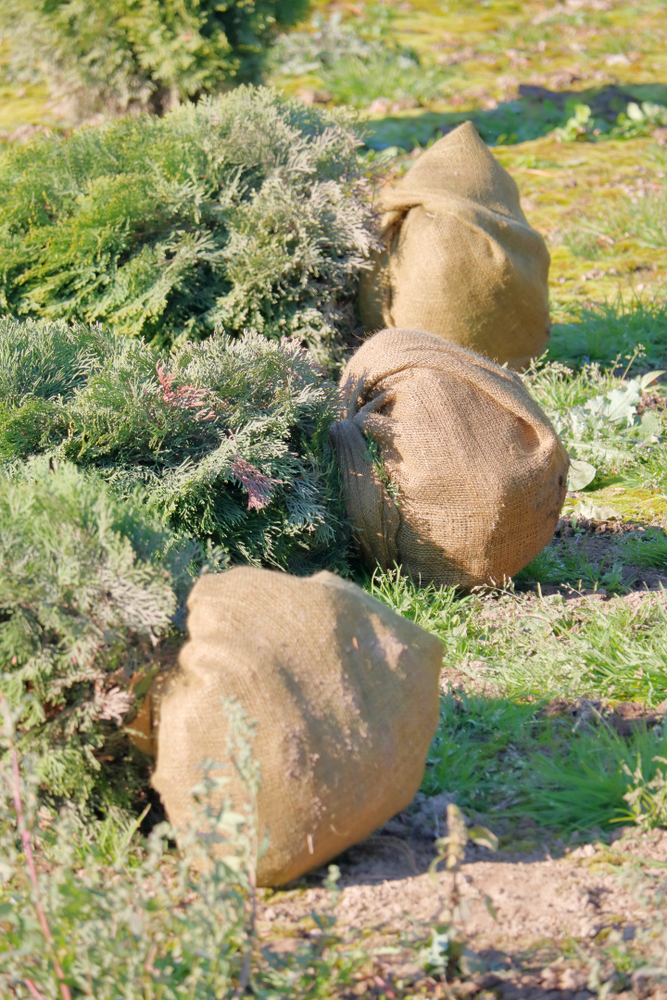
That beautiful evergreen shrub you planted in spring might look perfectly healthy now, but winter could tell a different story. Strong winds, freezing temperatures, heavy snow, and road salt can leave expensive landscaping investments looking brown, broken, or completely dead by the time warmer weather returns.
Fortunately, protecting vulnerable shrubs doesn’t always require expensive products or professional landscaping services.
One of the simplest solutions may already be sitting in your garage or available at your local garden center: burlap.
According to Iowa State University Extension, burlap barriers can help protect susceptible evergreens from drying winds and harsh winter sunshine, two common contributors to winter damage.
Understanding the best burlap uses for garden shrubs can help homeowners protect their landscaping without spending a fortune on complicated winter protection systems.
Create a Windbreak Around Vulnerable Evergreens
Winter wind can be surprisingly damaging to evergreen shrubs, particularly when frozen soil prevents their roots from absorbing replacement moisture. Boxwoods, arborvitae, rhododendrons, and yews are among the plants that may develop brown foliage from winter desiccation, commonly called winter burn. The University of Minnesota Extension recommends constructing burlap barriers on the windward sides of vulnerable evergreens to reduce exposure. To create a simple windbreak, drive sturdy wooden stakes into the ground around the exposed side of a shrub and attach burlap securely to the supports. Keep the material away from the foliage rather than wrapping it tightly around the branches, allowing air to circulate while reducing the force of drying winter winds.
Shield Boxwoods From Harsh Winter Sunshine
Bright winter sunshine might seem harmless, but it can contribute to moisture loss and temperature fluctuations that damage evergreen foliage. Boxwoods growing along south-facing foundations or in open yards are particularly vulnerable when sunny afternoons are followed by freezing nighttime temperatures. According to Cornell Cooperative Extension, burlap screens positioned on the southern or southwestern sides of susceptible plants can help reduce winter injury. This makes sun protection one of the most practical burlap uses for garden shrubs, especially when homeowners have experienced recurring winter browning. Instead of enclosing the entire plant unnecessarily, install a screen where sunlight and wind exposure are greatest, leaving adequate space for airflow and normal plant growth.
Protect Shrubs From Road Salt and Deicing Spray
If your shrubs grow near a driveway, sidewalk, or busy road, winter damage may come from something other than freezing temperatures. Road salt and chemical deicers can damage evergreen foliage when salty water splashes onto leaves or contaminated snow accumulates around plants. Salt exposure can be a potential source of winter injury for landscape plants. Installing a burlap screen between vulnerable shrubs and areas where deicing products are used can help reduce direct salt spray, although it won’t prevent salt dissolved in runoff from reaching the soil. For better protection, combine the barrier with careful snow placement and avoid applying unnecessary deicing chemicals near sensitive landscaping.
Give Newly Planted Shrubs Extra Protection
Recently planted shrubs often face greater winter risks because their roots haven’t fully established themselves in the surrounding soil. Even cold-hardy varieties may struggle when drying winds and frozen ground limit their ability to maintain adequate moisture. The University of New Hampshire Extension recommends temporary burlap or canvas windbreaks for newly planted evergreens in exposed locations. These barriers can be especially helpful for fall-planted shrubs that have had only a short period to develop new roots before winter arrives. However, burlap uses for garden shrubs should complement proper watering and mulching rather than replace those essential steps, particularly during a dry autumn.
Reduce Damage From Heavy Snow and Ice
Heavy snow can bend or break branches on upright evergreens, especially when wet snow accumulates during repeated winter storms. Arborvitae and other narrow-growing shrubs may develop permanent gaps or split stems when branches are forced apart by excessive weight. Some compact or upright evergreens can benefit from appropriate winter wrapping, while sturdy protective frames can help prevent snow-related breakage. For shrubs beneath rooflines where heavy snow may slide off, a properly constructed wooden shelter is generally more protective than burlap alone. Avoid tying burlap tightly against branches or allowing wet fabric to freeze directly onto foliage, since excessive pressure and trapped moisture can create additional problems.
Discourage Winter Browsing by Deer
Hungry deer can cause substantial damage to landscape shrubs when natural food becomes scarce during winter. Arborvitae, yews, and other evergreens may attract browsing animals, leaving homeowners with uneven hedges or severely damaged lower branches. Burlap wrapping may help discourage deer from feeding on vulnerable evergreen plants. However, burlap alone isn’t a guaranteed deer barrier because determined animals may push against lightweight material or reach over short screens. If deer pressure is severe, use a sufficiently tall, sturdy physical barrier and treat burlap as an additional protective layer rather than a substitute for proper fencing.
Build Reusable Winter Protection Screens
One of the most budget-friendly burlap uses for garden shrubs is creating temporary screens that can be stored and reused over multiple winters. Instead of purchasing specialized protective covers for every shrub, homeowners can use wooden stakes, reusable fasteners, and appropriately sized sections of burlap. Penn State Extension recommends positioning protective stakes outside the plant’s drip line and attaching burlap or canvas to create a barrier against winter wind and sunshine. Leave the top open when surrounding shrubs, and make sure the structure is sturdy enough to withstand the conditions common in your area. Once spring weather stabilizes, remove the screens promptly, inspect the material for damage, and store dry burlap in a protected location for next winter.
Don’t Make These Common Burlap Protection Mistakes
Although burlap can provide valuable winter protection, using it incorrectly may create new problems for otherwise healthy shrubs. The University of Wisconsin Extension warns against tightly wrapping individual plants because trapped moisture and ice can increase the risk of damage and disease. Avoid using black plastic as a substitute for breathable burlap, since plastic coverings can create extreme temperature fluctuations around plants. Gardeners should also avoid installing barriers unnecessarily early or leaving them in place after spring temperatures rise, and should continue monitoring soil moisture during dry periods. The goal is to reduce exposure to damaging conditions without sealing plants inside a damp, poorly ventilated enclosure.
A Few Dollars of Protection Could Save Your Shrubs
The best burlap uses for garden shrubs focus on preventing problems that could otherwise lead to expensive landscaping repairs or replacements. Whether you’re protecting boxwoods from winter sunshine, shielding arborvitae from drying winds, or reducing salt spray near a driveway, a simple barrier can make a meaningful difference. Not every shrub requires burlap protection, so prioritize newly planted evergreens, exposed locations, and plants with a history of winter damage. Combining well-placed screens with proper fall watering, suitable mulch, and good drainage offers a more complete approach to winter garden care.
Have you ever used burlap to protect your shrubs during winter, or have you found another inexpensive method that works well in your yard? Share your experiences in the comments.
What to Read Next
How to Plant Shrubs Before the Ground Freezes
This Beautiful Fall Shrub Is Becoming a Backyard Problem — Do You Have One?
Leave a Reply