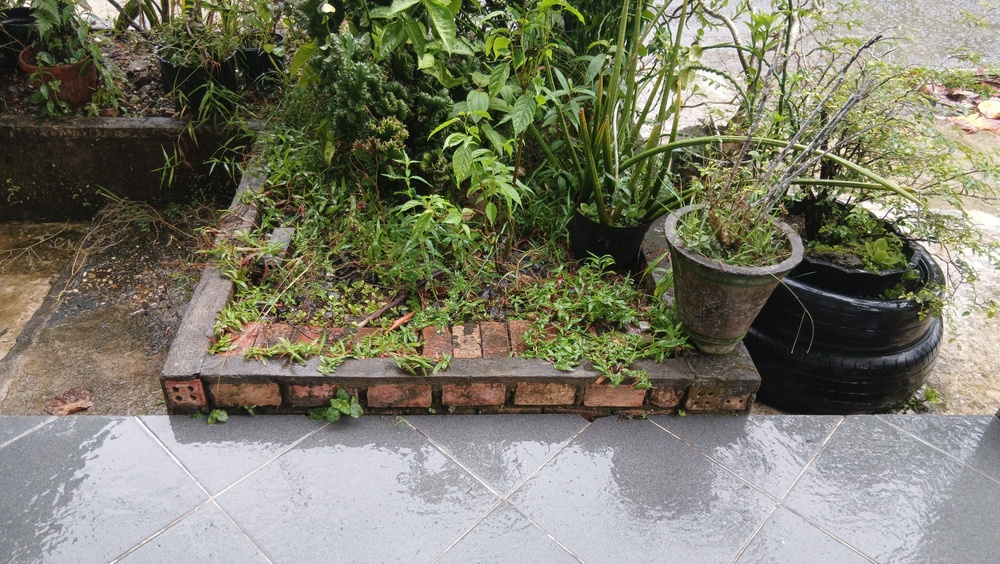
Rain should leave a garden refreshed, not looking like it belongs in a marsh. Yet some garden beds stay soggy for days after a storm while others drain beautifully within hours, and that difference often points to problems hiding beneath the surface.
A waterlogged bed does more than create muddy shoes. It can suffocate roots, invite fungal diseases, wash nutrients away, and leave gardeners scratching their heads when healthy-looking plants suddenly wilt. The good news? Wet garden beds almost always leave clues behind, and those clues make it much easier to solve the mystery before another heavy rain rolls through.
Soil Texture Usually Holds the Biggest Clue
Clay-heavy soil ranks among the most common reasons a garden bed stays wet after a storm. Tiny clay particles pack tightly together, leaving little room for water to move downward, so rainfall lingers instead of draining away. A bed with loose, crumbly soil usually dries much faster because larger particles create channels that let moisture travel deeper into the ground. Gardeners often notice puddles sitting on clay while nearby sandy beds look almost dry. That contrast rarely happens by accident.
Soil tells plenty of stories with a simple squeeze test. Grab a handful of damp soil and gently press it into a ball. If it forms a sticky lump that keeps its shape and smears between the fingers, clay likely dominates the mix. If it crumbles easily, drainage probably comes from a better balance of sand, silt, organic matter, and clay. Compost helps improve nearly every soil type because it creates spaces where air and water can move more freely while also feeding beneficial organisms that keep soil loose over time.
Hidden Compaction Creates an Underground Traffic Jam
Garden soil can look perfectly healthy on top while hiding a compacted layer several inches below. Years of foot traffic, wheelbarrows, heavy equipment, or repeated digging during wet conditions squeeze soil particles together until roots and water struggle to move through them. Rain reaches that dense layer, stops, and begins collecting above it like water filling a shallow bowl.
A garden fork often reveals this problem in seconds. Healthy soil allows the tines to slide in with moderate effort, while compacted soil resists almost immediately. Roots also expose the issue because they often spread sideways instead of growing downward. Breaking up compacted areas with a broadfork or garden fork during reasonably dry weather restores pore spaces without flipping soil layers upside down. Adding organic matter afterward keeps those new pathways open much longer than cultivation alone.
The Shape of the Bed Matters More Than Many Gardeners Realize
Even excellent soil struggles if water has nowhere to go. A garden bed that sits in a low spot naturally collects runoff from roofs, driveways, sidewalks, and higher ground nearby. One thunderstorm can funnel surprising amounts of water into what looked like an ordinary planting area on a sunny afternoon.
Raised beds usually solve part of the problem because elevation encourages drainage from every side. Even adding four to six inches of height can make a noticeable difference in difficult locations. Gardeners with in-ground beds often improve drainage by reshaping the surface into gentle crowns or slight slopes that encourage excess water to move away naturally instead of pooling around plant crowns. A quick walk around the yard during a rainstorm often reveals exactly where water wants to travel, making future improvements much easier to plan.
Organic Matter Can Rescue a Stubborn Bed
Many people assume compost simply feeds plants, but it also transforms soil structure. Organic matter acts almost like a sponge with tiny air pockets. It absorbs moisture during heavy rain, then releases it gradually as conditions dry. That balance helps prevent both waterlogging and overly dry soil during summer heat.
The trick involves consistency rather than one giant application. Mixing two or three inches of finished compost into the top several inches of soil each season gradually changes how the entire bed behaves. Shredded leaves, aged bark, and well-rotted manure also contribute valuable organic material. Fresh wood chips belong on the surface as mulch rather than mixed into planting soil, where they temporarily tie up nitrogen while decomposing.
Plants Sometimes Reveal the Problem Before the Soil Does
Plants often wave warning flags long before gardeners notice standing water. Yellowing leaves, stunted growth, blackened roots, and wilting despite wet soil all suggest roots lack oxygen. Many people respond by adding more water because the plants appear thirsty, which only makes conditions worse.
Different plants also tolerate wet feet very differently. Tomatoes, lavender, rosemary, and many herbs quickly complain about soggy soil, while certain irises, cardinal flowers, and swamp milkweed handle wetter conditions with far fewer problems. Matching plants to the site’s natural drainage sometimes saves more frustration than trying to force difficult species into unsuitable conditions. Healthy roots always depend on both moisture and oxygen, and neither one can replace the other.
Small Fixes Often Deliver Big Results
Solving drainage problems rarely requires expensive construction projects. A combination of compost, careful bed shaping, reduced foot traffic, and strategic mulching often changes how a garden handles rain within a season. Downspouts also deserve attention because one poorly placed outlet can dump many gallons into the same flower bed over multiple storms.
Persistent wet spots may benefit from a simple French drain, a dry creek bed, or redirected runoff before major planting begins. Testing drainage also takes very little effort. Dig a hole about a foot deep, fill it with water, let it drain once, then refill it. If water still stands many hours later, the soil needs better drainage before adding plants that prefer well-drained conditions. Catching the issue early saves money, time, and countless disappointing harvests.
Give Rain Somewhere Better to Go
Healthy garden beds welcome rain without holding onto it for days. Good soil structure, thoughtful placement, regular compost applications, and careful observation all work together to create conditions where roots receive both water and oxygen after every storm.
Instead of treating soggy beds as an unavoidable nuisance, treat them like a puzzle waiting for the right solution. Small improvements made today often pay off with healthier vegetables, brighter flowers, stronger root systems, and fewer disease problems during every rainy season.
Which drainage challenge has caused the biggest headache in the garden, and what solution worked best? Give us your experiences and favorite fixes in the comments below.
You May Also Like…
Why Are Wasps Hovering Around Your Garden Beds?
Can a Garden Bed Pay for Itself? A Realistic Cost Breakdown
Why Raised Garden Beds Are Becoming a Backyard Status Symbol
8 DIY Raised Garden Bed Ideas That Don’t Require Expensive Lumber
Should You Remove Storm-Damaged Branches Immediately?

Brandon Marcus is a staff writer for FrugalGardening.com at District Media, Inc., where he delivers practical gardening advice with a relatable, no-nonsense style. An avid amateur gardener, he holds a BA degree and with over ten years of professional writing experience, he is also an award-winning published author whose first book, Questions For Deep Thinkers, was released by Adams Media. His work has appeared in major publications including Fandom.com, CHUD.com, TheColdWire.com, and Fansided.com.
Leave a Reply