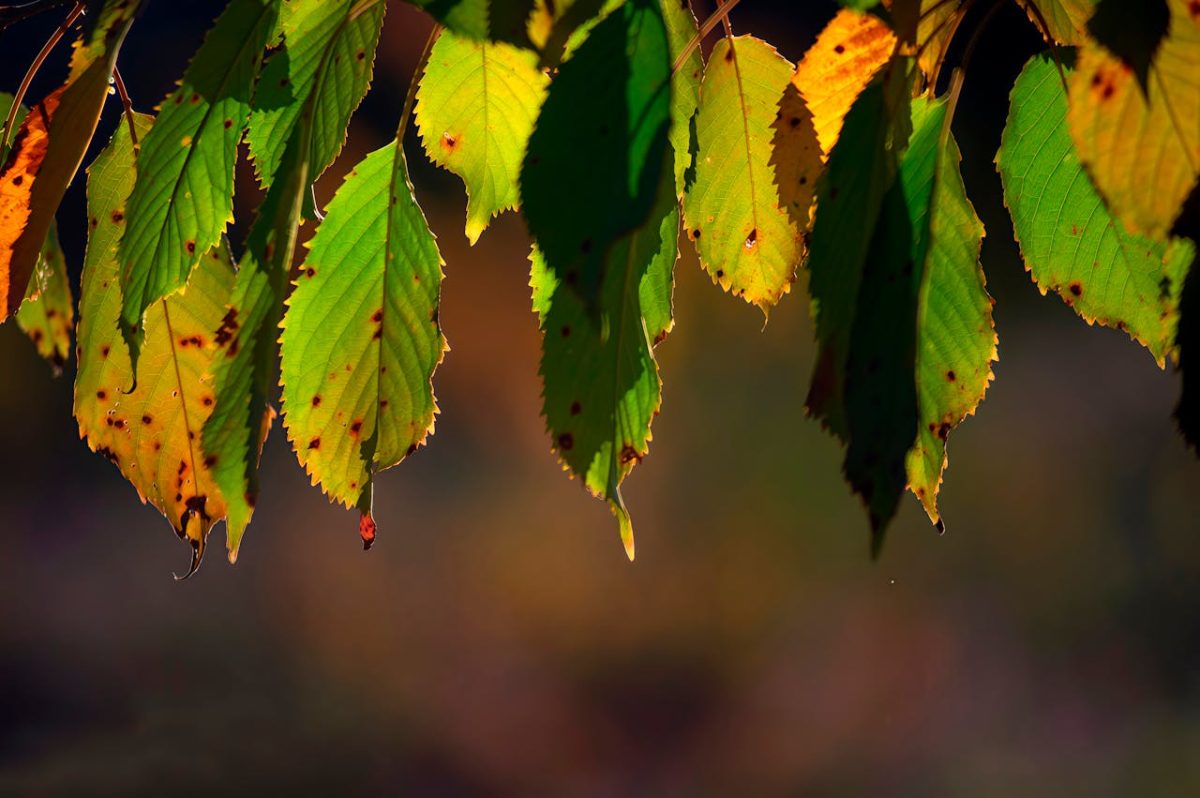
Leaves often droop even when the soil feels damp, and that confusion sends many gardeners into a watering spiral. Plants rely on more than just surface moisture, so the roots may struggle even when the topsoil feels perfectly fine. Moist soil can still hide oxygen shortages, compacted layers, or uneven hydration patterns below the surface.
Many gardeners misread these signals and add more water, which often makes the situation worse instead of better. The real story usually starts underground, where roots decide how much support the plant can actually deliver to its leaves.
Root Stress Hides Beneath the Surface
Root systems play a far bigger role in leaf posture than most gardeners realize, especially when stress develops below ground. Damaged roots cannot move water efficiently, so leaves lose firmness even when moisture surrounds the plant. Root rot often develops quietly in overly wet conditions, cutting off oxygen and slowing nutrient uptake at the same time. Fungal activity can spread through saturated soil and weaken root structure long before visible symptoms appear above ground. Once roots struggle, leaves respond fast by drooping as the plant tries to conserve energy and reduce water loss.
Healthy roots act like a transport network, constantly balancing water intake and distribution throughout the plant. When that network suffers damage, leaves lose the steady pressure that keeps them upright and hydrated. Even short periods of oxygen deprivation in the soil can trigger visible wilting or limp foliage. Many gardeners overlook early root stress because soil still feels moist and plant color remains green. Careful inspection of drainage, root firmness, and soil texture often reveals the real source of the problem before more damage spreads.
Watering Mistakes That Trick Even Experienced Gardeners
Watering habits often create drooping leaves even when gardeners believe they follow proper routines. Frequent shallow watering keeps the topsoil moist while leaving deeper roots dry and underdeveloped. That imbalance forces plants to rely on weaker root zones, which struggle to support full leaf structure. Overwatering produces a different but equally damaging effect by suffocating roots and reducing oxygen flow. Both extremes confuse plant systems and result in leaves that droop despite the presence of visible moisture.
Timing also plays a major role in plant hydration balance, especially during rapid temperature changes. Watering in the evening can leave soil saturated overnight, increasing the risk of root stress and fungal growth. Inconsistent watering schedules prevent roots from developing stable absorption patterns, which leads to fluctuating leaf firmness. Even high-quality soil mixes lose effectiveness when watering patterns disrupt oxygen flow and nutrient cycling. Consistency, depth, and drainage matter far more than simply keeping soil “wet enough” on the surface.
Temperature, Humidity, and Transpiration Imbalance
Environmental conditions often drive leaf drooping even when soil moisture remains perfectly adequate. High heat increases transpiration, forcing leaves to release water faster than roots can replace it. Low humidity accelerates that process, creating a mismatch between water loss and water uptake. Plants respond by drooping leaves to reduce surface area and slow moisture evaporation. This survival response often appears suddenly during hot afternoons, even when soil still feels damp.
Cold snaps or rapid temperature shifts also disrupt internal plant pressure systems. Roots slow their activity in cooler soil, which limits water movement upward into the leaves. At the same time, sunlight may still trigger transpiration, creating imbalance and visible wilting. Indoor plants often suffer similar stress when heating vents or air conditioning systems create inconsistent airflow. These environmental swings push plants into temporary droop cycles that improve once conditions stabilize.
When Pests and Disease Quietly Drain Plant Strength
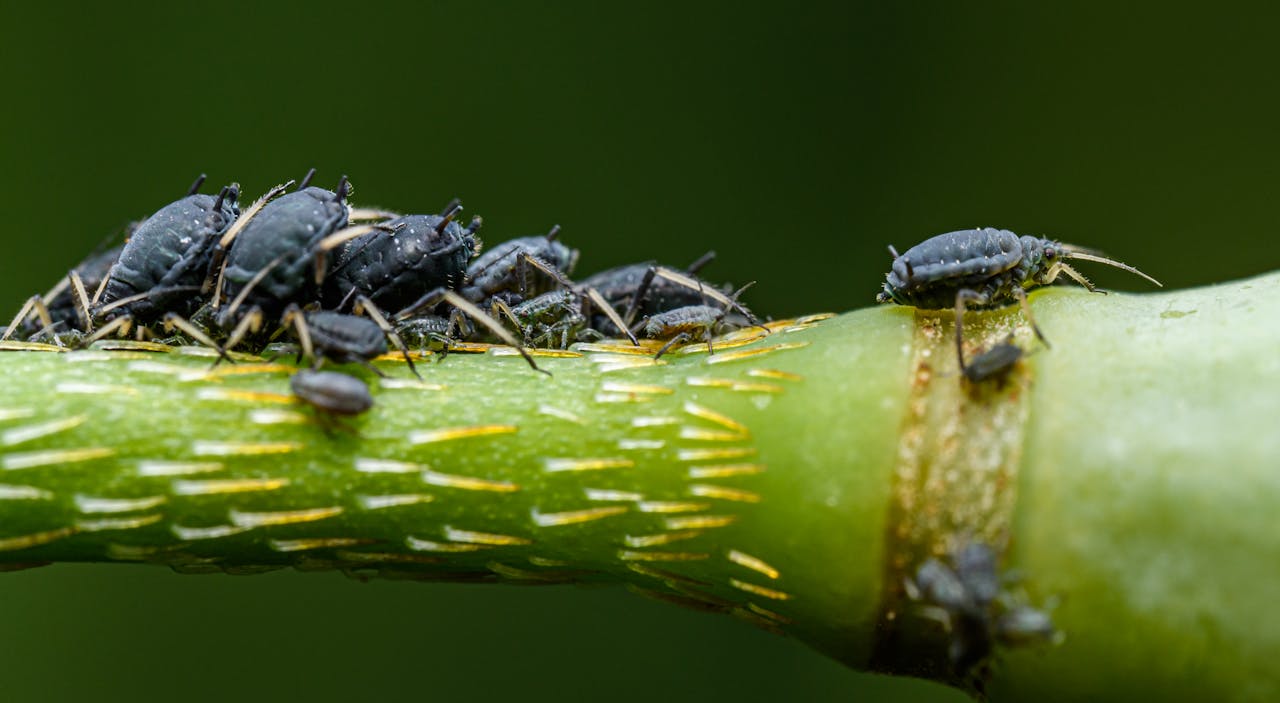
Insect activity and disease pressure often cause drooping leaves even when soil moisture stays steady. Sap-sucking pests such as aphids or spider mites weaken plant cells by draining fluids directly from leaf tissue. That loss of internal pressure leads to limp, tired-looking foliage that refuses to perk up after watering. Fungal or bacterial infections can also interfere with nutrient transport, which reduces leaf firmness over time. These problems often develop gradually, making early detection critical for plant recovery.
Diseased roots or stems struggle to move water effectively, even in ideal soil conditions. Vascular blockages reduce flow throughout the plant, leaving leaves starved despite adequate moisture availability. Many gardeners mistake these symptoms for watering issues and unintentionally worsen the problem by adjusting irrigation instead of treating the cause. Careful inspection of stems, leaf undersides, and root zones helps reveal hidden infestations or infections. Early intervention often restores plant strength before permanent damage sets in.
Smart Fixes That Restore Leaf Strength Quickly
Restoring droopy plants starts with correcting soil conditions and improving root health rather than adding more water. Checking drainage should become the first step because excess moisture often hides deeper oxygen problems. Aerating compacted soil helps roots breathe and improves water movement through the entire system. Adjusting watering depth ensures that roots develop evenly and respond more consistently to hydration cycles. These changes strengthen the plant’s internal balance and allow leaves to regain firmness naturally.
Environmental adjustments also speed recovery and prevent repeated stress cycles. Moving plants out of extreme heat or direct airflow reduces transpiration strain and gives roots time to catch up. Removing affected leaves or treating pests early prevents further energy loss and encourages new growth. Monitoring soil moisture with touch and simple tools prevents overcorrection and keeps watering habits steady. Strong recovery depends on patience, consistency, and careful observation of how plants respond over time.
What Your Drooping Leaves Are Really Trying to Say
Drooping leaves rarely signal a simple watering issue, even when soil feels moist on the surface. Plants constantly balance root health, environmental stress, and internal hydration, which creates complex responses that often surprise gardeners. Paying attention to soil structure, root condition, and surrounding temperature reveals far more than surface moisture alone. Each droop tells a story about how the plant manages survival under changing conditions.
What strange plant behavior has shown up in your garden, and how was it solved? Let’s chat about this below in our comments section.
You May Also Like…
5 Plants That Multiply So Fast You’ll Never Need to Buy Them Again
Why Healthy Leaves Don’t Always Mean Strong Root Systems
Why Leaves Turn Yellow Even When You’re Doing Everything Right
Common Leaf Spot Problems and How to Treat Them
6 Selections That Perform Well in Clay Soil

Brandon Marcus is a staff writer for FrugalGardening.com at District Media, Inc., where he delivers practical gardening advice with a relatable, no-nonsense style. An avid amateur gardener, he holds a BA degree and with over ten years of professional writing experience, he is also an award-winning published author whose first book, Questions For Deep Thinkers, was released by Adams Media. His work has appeared in major publications including Fandom.com, CHUD.com, TheColdWire.com, and Fansided.com.
Leave a Reply