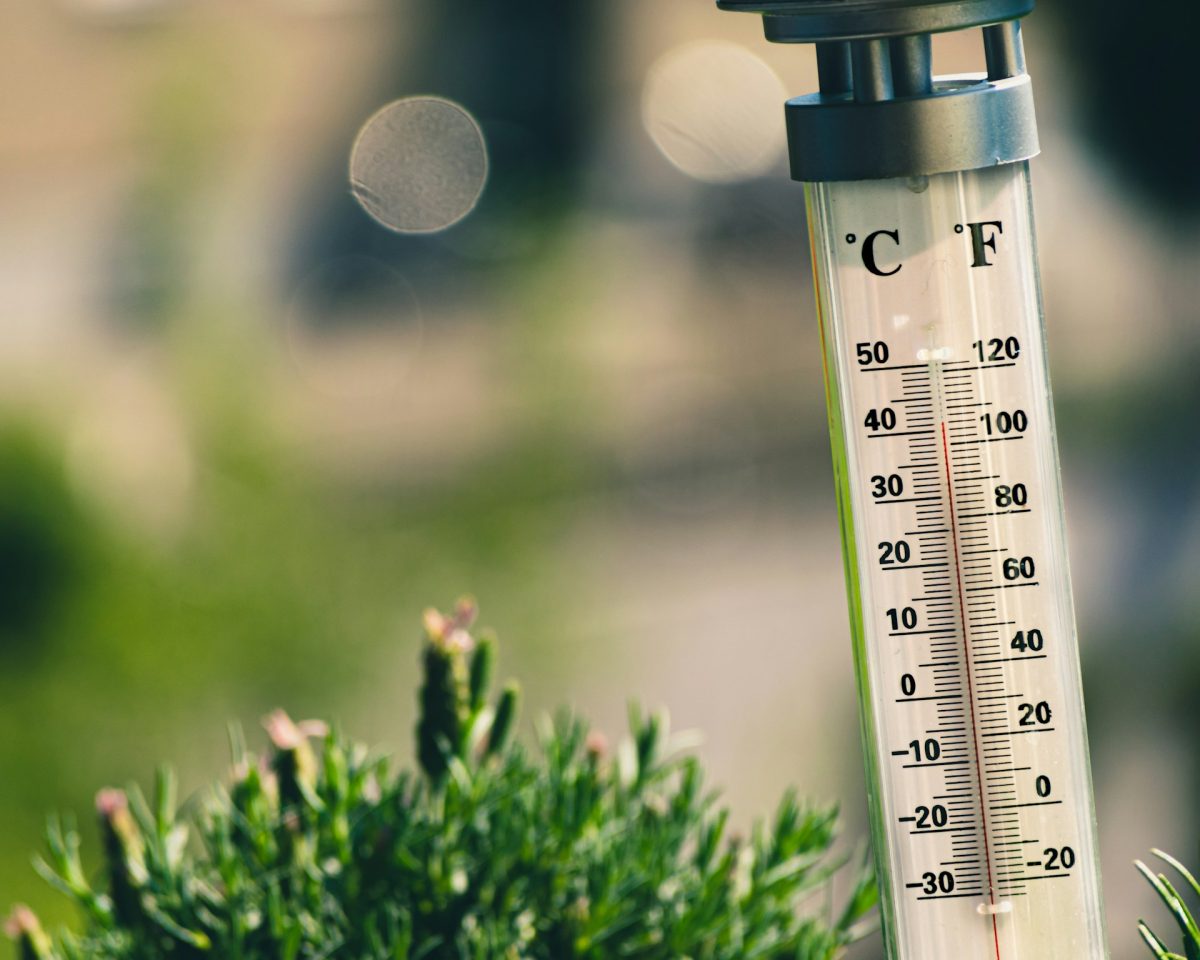
Spring used to ease gardeners into summer with mild mornings and gentle afternoon sunshine, but recent years have tossed that old playbook right into the compost bin. Sudden heat spikes now slam into brand-new gardens before tomatoes settle in, before peppers toughen up, and before tender roots stretch deep enough to find moisture. Young plants that looked cheerful on Monday can suddenly droop like yesterday’s lettuce by Thursday afternoon. That quick change leaves many gardeners staring at crispy leaves and wondering what went wrong.
Early heat stress sneaks into gardens fast because young plants simply lack the mature root systems needed to handle temperature swings. Seedlings and newly transplanted vegetables operate like teenagers on the first day of football practice: enthusiastic but wildly unprepared for brutal conditions. Soil temperatures can soar above 90 degrees in raised beds during a hot spring afternoon, especially when dark mulch or containers absorb sunlight. Even cool-season crops like lettuce, spinach, and broccoli can bolt early or collapse entirely once temperatures spike beyond their comfort zone.
Why Young Plants Struggle During Early Heat Waves
Young gardens face a double challenge because both the air and soil heat up rapidly during spring heat events. A tiny transplant with shallow roots dries out far faster than an established shrub or perennial, which means a plant can suffer stress long before gardeners notice visible wilting. Many vegetables also pause growth during intense heat because survival becomes the priority, and that stalled growth can reduce harvest size weeks later. Gardeners often blame fertilizer, pests, or bad seedlings when the real villain sits overhead blazing in full sunlight.
Transplants from garden centers also struggle because many greenhouse-grown plants live pampered lives before reaching backyard gardens. Commercial growers maintain consistent moisture, filtered sunlight, and carefully managed temperatures, so those plants often panic once exposed to harsh afternoon sun and drying winds. A sudden jump from 72-degree greenhouse comfort to a 92-degree backyard heat blast can scorch leaves within hours. Cucumbers, squash, tomatoes, peppers, and basil commonly show stress first because they lose water rapidly through large leaf surfaces.
The Sneaky Signs That Heat Stress Already Started
Heat stress rarely announces itself with dramatic fanfare at first because the early warning signs look deceptively mild. Leaves may curl slightly upward, stems may soften during the hottest part of the day, or leaf edges may turn pale green before gardeners realize trouble has arrived. Some young plants develop tiny white or tan scorch patches where sunlight literally burns tender tissue. Gardeners who wait for complete wilting often miss the ideal window for quick recovery.
Blossom drop creates another frustrating clue, especially on tomatoes and peppers during sudden hot spells. Plants often abandon flowers when daytime temperatures rise above 90 degrees and nighttime temperatures stay unusually warm. That reaction protects the plant’s energy reserves, but it also delays fruit production for weeks. Gardeners frequently overwater stressed plants at this stage, which creates soggy roots and invites fungal disease into an already struggling garden bed.
Smart Watering Habits That Actually Help
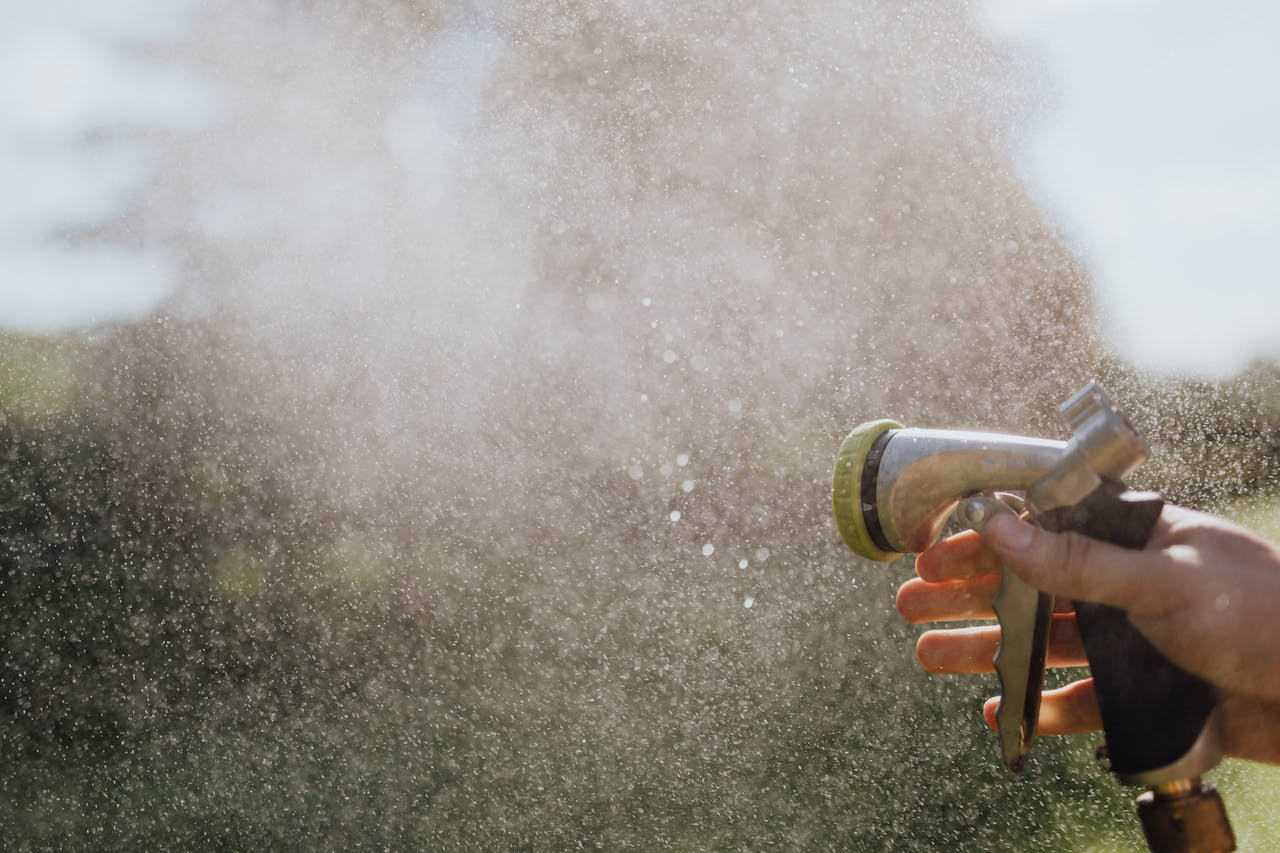
Water solves many heat problems, but timing matters just as much as quantity. Deep morning watering gives roots time to absorb moisture before afternoon temperatures spike, while evening watering can leave foliage damp overnight and encourage mildew or fungal trouble. Young vegetable gardens usually need consistent moisture several inches below the soil surface rather than quick daily sprinkles that barely penetrate the top layer. A slow soak with drip irrigation or a gentle hose trickle works far better than a frantic five-minute spray session.
Gardeners also make the mistake of watering on a rigid schedule instead of responding to actual soil conditions. A raised bed during a windy 95-degree week may need daily attention, while an in-ground garden with rich soil could hold moisture much longer. Checking soil two inches down with a finger reveals far more than a calendar reminder ever will. Mulch dramatically improves moisture retention as well, and even a thin layer of straw or shredded leaves can lower soil temperatures by several degrees.
Shade Cloth Might Become a Gardener’s Best Friend
Shade cloth once seemed like something only commercial growers used, but backyard gardeners increasingly rely on it during unpredictable spring heat waves. A lightweight 30% shade cloth protects tender vegetables without blocking too much sunlight, which helps plants continue growing while avoiding leaf scorch. Temporary shade structures made from PVC pipes, tomato stakes, or simple hoops can save entire beds during a three-day heat event. Lettuce, spinach, cilantro, and newly transplanted peppers especially benefit from filtered afternoon light.
The timing of shade matters more than many gardeners realize because morning sunlight still plays a critical role in healthy growth. Covering plants during peak afternoon heat preserves moisture and reduces stress without starving crops of energy-producing light. Gardeners across hotter states like Texas, Arizona, and parts of California increasingly treat shade cloth as essential gear rather than optional equipment. Weather patterns now swing so wildly that even traditionally mild regions experience surprise heat bursts capable of frying tender spring gardens.
Soil Health Creates Stronger Heat Resistance
Healthy soil acts like a sponge, a pantry, and an air conditioner all at once. Compost-rich soil retains moisture more effectively while still allowing roots to breathe, which gives young plants a much stronger defense against heat stress. Gardens packed with organic matter also support microbial activity that improves nutrient availability during stressful weather conditions. Weak, compacted soil turns hard and dry quickly, forcing delicate roots into survival mode almost immediately.
Mulching deserves extra attention because bare soil heats up with shocking speed under direct sunlight. Dark exposed soil can become hot enough to damage shallow roots and beneficial organisms within a single afternoon. Organic mulches like straw, shredded bark, or untreated grass clippings help regulate soil temperature while slowing evaporation. That protective layer often creates the difference between plants that limp through summer and plants that thrive despite tough weather conditions.
A Garden That Beats the Heat Starts Early
Successful summer gardens often depend on decisions made weeks before the hottest weather arrives. Hardening off seedlings gradually before transplanting helps them adapt to sunlight, wind, and fluctuating temperatures without immediate shock. Planting during cooler evening hours also gives roots valuable recovery time before the next day’s heat arrives. Smart gardeners increasingly watch extended forecasts closely and delay transplanting during predicted heat spikes instead of gambling with fragile young plants.
What tricks have helped protect young plants from brutal early heat in your garden? It’s time to share your insight and gardening advice in our comments.
You May Also Like…
7 Strategies to Protect Growth During Early Heat Waves
Inexpensive Ways to Shade Plants During Hot Weather
6 Resilient Picks That Handle Temperature Swings
5 Beginner Errors That Reduce Yields in Spring Gardens
11 Cold-Weather Crops You Can Still Grow Under a Simple Cover

Brandon Marcus is a staff writer for FrugalGardening.com at District Media, Inc., where he delivers practical gardening advice with a relatable, no-nonsense style. An avid amateur gardener, he holds a BA degree and with over ten years of professional writing experience, he is also an award-winning published author whose first book, Questions For Deep Thinkers, was released by Adams Media. His work has appeared in major publications including Fandom.com, CHUD.com, TheColdWire.com, and Fansided.com.
Leave a Reply