Gardens don’t need blazing sun all day to steal the show. In fact, some of the most eye-catching plants actually prefer a break from harsh afternoon rays, settling into dappled light like it was made just for them. Partial shade gardens open the door to lush textures, surprising colors, and plants that behave beautifully without demanding constant attention. Many homeowners struggle with shaded corners under trees, along fences, or beside north-facing walls, yet those spaces often hold the most creative potential. With the right plant choices, those “problem areas” turn into some of the most charming spots in the yard.
Partial shade doesn’t mean limited beauty or fewer options. It simply means choosing plants that know how to work with filtered light instead of full exposure. These plants often hold richer foliage tones, longer bloom times, and stronger resilience during hot summer stretches.
1. Hostas: The Reliable Shade Champions
Hostas bring bold foliage that instantly fills empty shaded spaces with texture and personality. Their broad leaves come in shades of green, blue, and variegated patterns that brighten dim corners without flowers stealing the spotlight. Many gardeners rely on hostas to create structure because they spread steadily and come back stronger each year. Slugs sometimes target them, but smart gardeners use barriers or companion planting to keep damage low.
These plants thrive in partial shade where sunlight filters through trees or structures. They handle different soil types well as long as moisture stays consistent. Hostas work beautifully as borders, ground cover, or focal points near walkways. Few plants deliver such consistent results with so little drama.
2. Astilbe: Feathery Blooms That Love the Shade
Astilbe delivers soft, feathery flower plumes that rise above fern-like foliage like colorful fireworks in slow motion. Shades range from white to pink, deep red, and lavender, creating visual interest even in dim corners. This plant thrives in moisture-rich soil, making it perfect for shaded areas that stay slightly damp after rain. Its blooms attract pollinators, adding movement and life to quiet garden spaces.
Gardeners appreciate astilbe for its long-lasting color in areas where many flowering plants refuse to bloom. It pairs beautifully with hostas and ferns for a layered woodland look. Once established, astilbe returns reliably each year with minimal effort. Its soft texture brings contrast to broader-leafed shade plants.
3. Heuchera (Coral Bells): Color That Never Quits
Heuchera brings bold foliage in shades that range from lime green to deep burgundy and even nearly black. Its leaves stay attractive through multiple seasons, giving gardens consistent color even when flowers fade elsewhere. Small bell-shaped blooms rise on thin stems, adding a delicate touch above the foliage. This plant adapts well to partial shade and handles temperature swings without much trouble.
Many gardeners choose heuchera for containers, borders, or mixed beds where color contrast matters. It pairs especially well with green-leafed shade plants that need a visual boost. The plant stays compact, making it ideal for smaller spaces. Its reliability makes it a favorite in modern shade garden designs.
4. Impatiens: Bright Color for Low-Light Corners
Impatiens bring nonstop blooms in vibrant reds, pinks, oranges, and whites, lighting up shaded beds like small bursts of color. These annuals thrive where sunlight stays limited, especially under trees or porch overhangs. They grow quickly and fill space fast, making them perfect for instant garden impact. Consistent watering keeps them blooming from spring through fall.
Gardeners often use impatiens to fill gaps between perennials or to line shaded pathways. They perform especially well in warmer months when many other flowers struggle in low light. Their soft petals and dense growth create a full, lush look. Few plants match their ability to deliver constant color in shade.
5. Ferns: Woodland Elegance in Any Shade
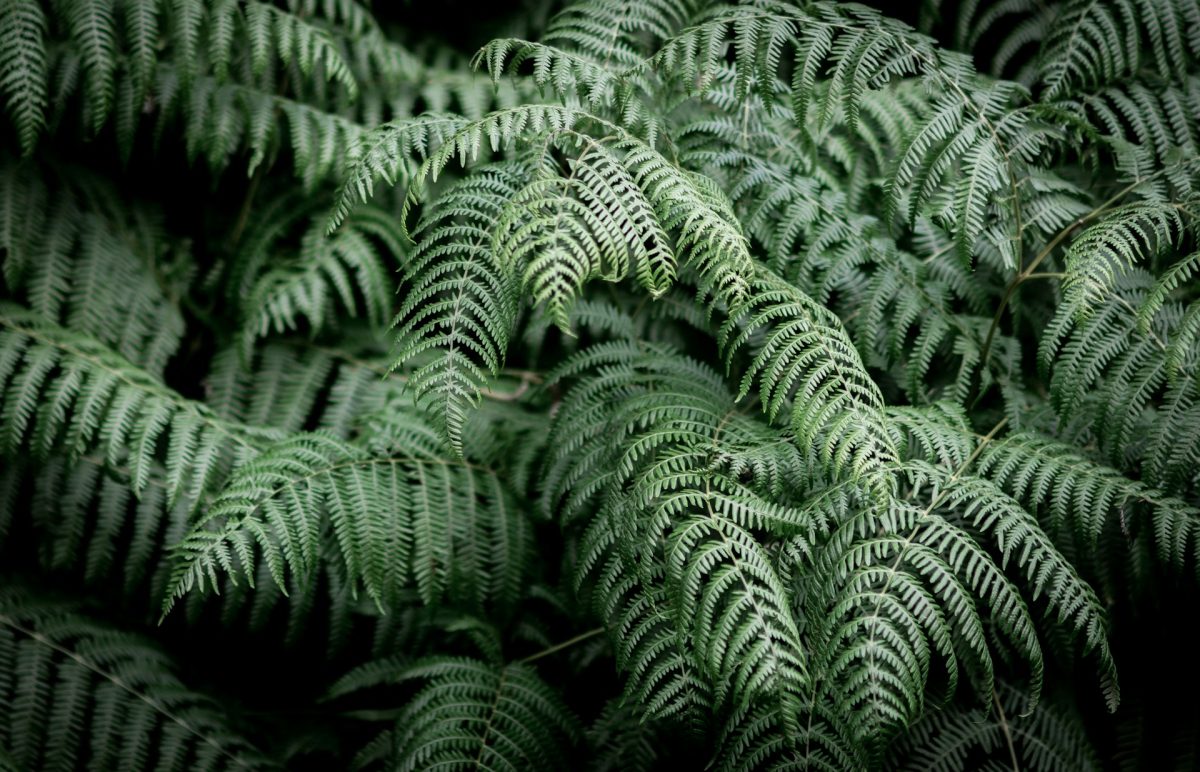
Ferns bring a wild, natural feel that instantly transforms shaded spaces into woodland-style retreats. Their delicate fronds unfurl in layered patterns that add movement even when the air feels still. Many varieties tolerate deep shade, but partial shade helps them grow fuller and more vibrant. They thrive in moist, well-drained soil enriched with organic matter.
Ferns work beautifully beneath trees, along shaded fences, or near water features. They pair well with flowering shade plants by balancing bold blooms with soft greenery. Once established, they require minimal care beyond occasional watering. Their timeless look never goes out of style in gardens.
6. Bleeding Heart: Romantic Blooms with Personality
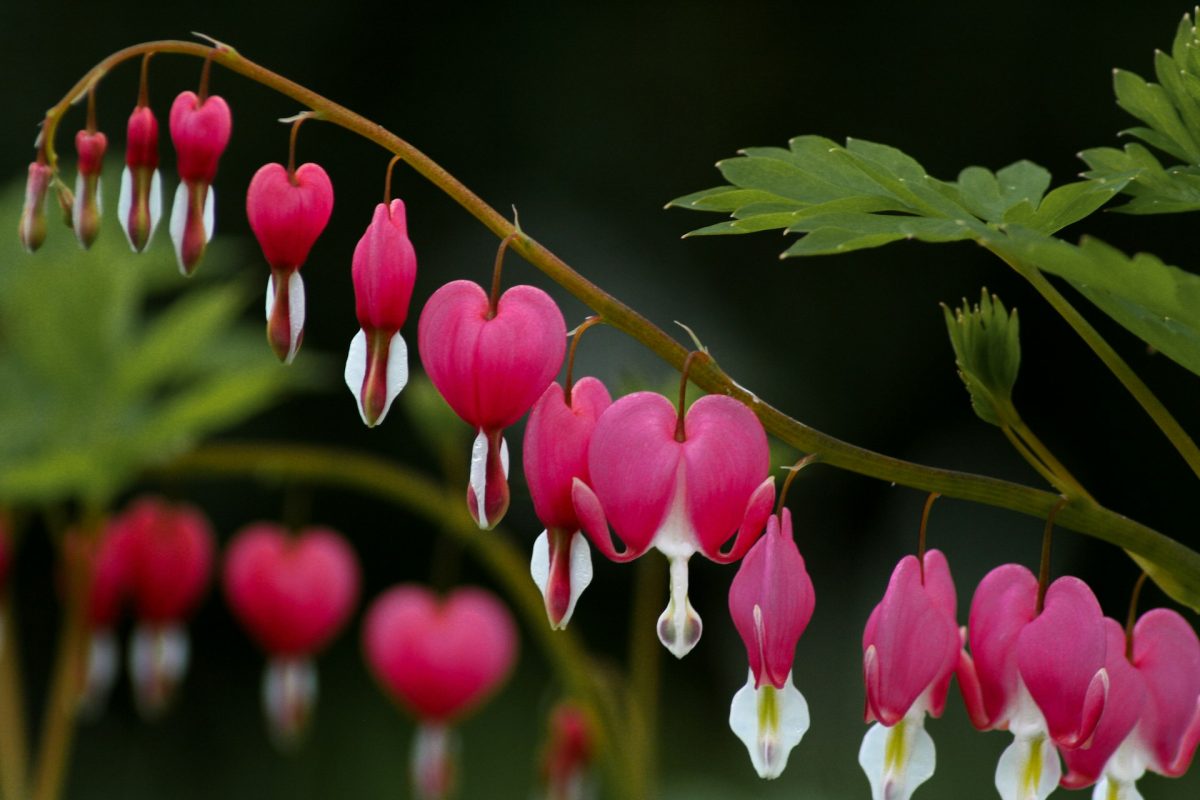
Bleeding heart produces unique heart-shaped flowers that dangle gracefully along arching stems. Pink and white blooms appear in spring, creating a dramatic and romantic display in shaded beds. The plant prefers cooler temperatures and partial shade, especially in regions with hot summers. After blooming, the foliage often fades, making companion planting important for continued visual interest.
Gardeners value bleeding heart for its unforgettable appearance and early-season charm. It pairs well with ferns and hostas that fill in after blooms fade. The plant returns each year when conditions stay favorable. Its striking flowers make it a standout in any shade garden.
7. Begonias: Versatile Color for Shady Spaces
Begonias offer both colorful blooms and striking foliage, making them one of the most flexible shade-loving plants available. They thrive in containers, hanging baskets, and garden beds with partial shade exposure. Their flowers bloom in red, pink, white, and orange tones throughout the growing season. Some varieties even feature patterned or textured leaves that add extra visual interest.
Begonias prefer well-drained soil and consistent moisture without overwatering. They perform especially well in shaded patios or covered entryways. Gardeners rely on them for dependable color in areas where sunlight stays limited. Their versatility makes them a go-to choice for creative garden designs.
A Shade Garden Full of Surprises
Partial shade gardens prove that sunlight isn’t the only ingredient for a thriving outdoor space. With the right mix of foliage, blooms, and textures, shaded areas transform into some of the most inviting parts of a yard. Each of these seven plants brings its own personality, from bold leaves to delicate flowers, creating layers of interest that change throughout the season. Smart plant selection turns low-light challenges into design opportunities that feel intentional and polished.
What shade-loving plant would make the biggest difference in your garden space right now? Let’s share some advice before the bright summer sun is here to stay!
You May Also Like…
7 Shade-Friendly Options That Handle Warmer Days Better Than Expected
The Root Rot Warning Signs Most Gardeners Miss
7 Time-Saving Tools That Improve Garden Efficiency
Inexpensive Ways to Shade Plants During Hot Weather
10 Shade-Tolerant Crops for Shorter Fall Days

Brandon Marcus is a staff writer for FrugalGardening.com at District Media, Inc., where he delivers practical gardening advice with a relatable, no-nonsense style. An avid amateur gardener, he holds a BA degree and with over ten years of professional writing experience, he is also an award-winning published author whose first book, Questions For Deep Thinkers, was released by Adams Media. His work has appeared in major publications including Fandom.com, CHUD.com, TheColdWire.com, and Fansided.com.
Leave a Reply