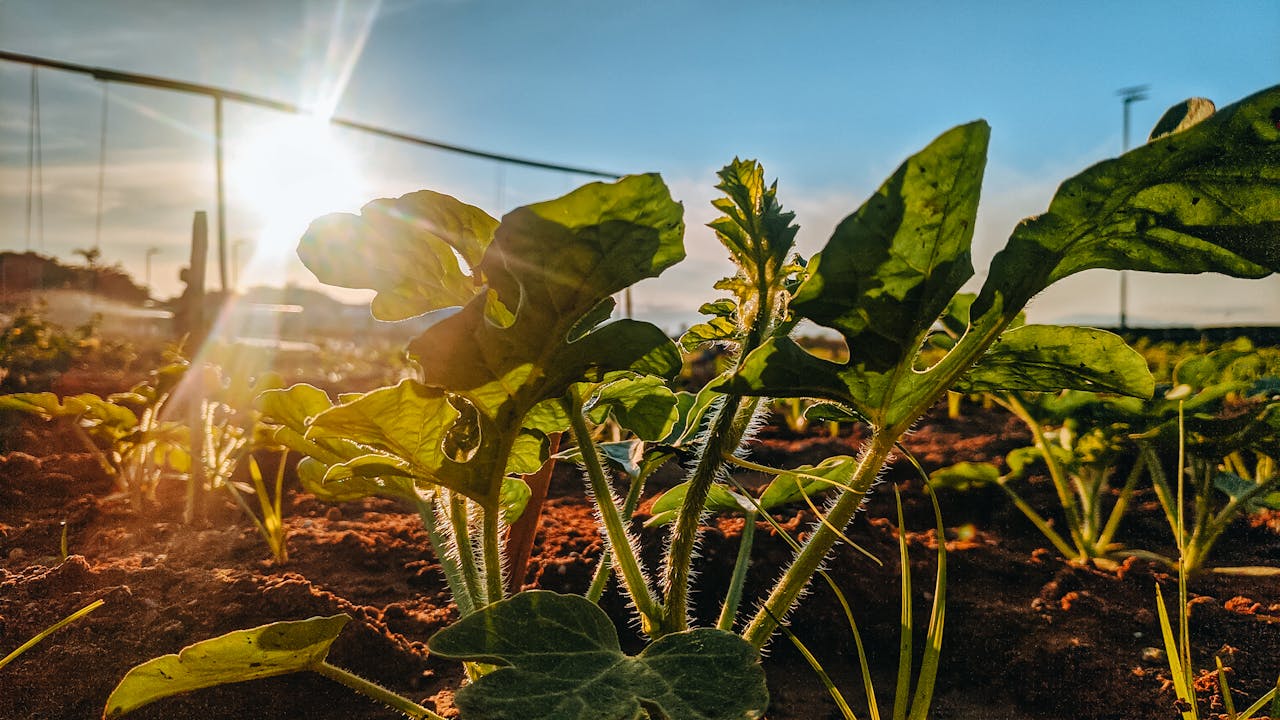
The sun does not play around in peak summer, and plants feel every blazing second of it. Leaves scorch, soil dries out faster than expected, and even the hardiest greenery starts to look tired and overwhelmed. Anyone who cares about their garden knows that heat waves demand quick thinking and smarter strategies, especially when expensive shade structures sit far outside the budget. That challenge sparks creativity, and surprisingly, some of the most effective solutions cost next to nothing while delivering real results.
A thriving garden in hot weather does not rely on fancy equipment or complicated systems. It thrives on clever adjustments, simple materials, and a bit of imagination that turns everyday items into plant-saving tools. Shade becomes more than just protection; it transforms into a tactical advantage that helps plants retain moisture, avoid stress, and continue growing strong.
Old Sheets, New Purpose: Fabric That Saves the Day
Lightweight fabric steps in as one of the easiest and most effective ways to shield plants from intense sunlight. Old bedsheets, pillowcases, or even thin curtains create a breathable barrier that filters sunlight without completely blocking it out. Plants still receive enough light to grow, but they avoid the harsh, direct rays that cause leaf burn and dehydration. Draping fabric over simple supports like stakes, chairs, or even broom handles creates instant shade structures that feel surprisingly sturdy. This method works especially well for delicate vegetables and flowers that struggle under extreme heat.
This approach also gives flexibility throughout the day, which makes it even more useful during unpredictable weather. Adjusting the fabric allows more or less sunlight depending on how intense conditions get, and that control helps maintain a stable growing environment. Light-colored fabrics reflect heat better than darker ones, so choosing whites or pastels improves the cooling effect without extra effort. Gardeners who want to go one step further can secure the edges loosely to allow airflow, preventing trapped heat from building up underneath. With minimal effort and zero cost, fabric shading turns forgotten household items into powerful plant protectors.
Cardboard and Creativity: The Backyard Shade Hack
Cardboard rarely gets credit for anything beyond packaging, yet it quietly becomes a garden hero during heat waves. Large pieces of cardboard, like those from delivery boxes, can block direct sunlight when placed strategically around plants. Leaning them at an angle creates a simple shade wall that protects plants during the hottest part of the day while still allowing morning and evening light to reach them. This trick works especially well for container plants that sit in exposed areas and need quick relief from relentless sun exposure.
The beauty of cardboard lies in its versatility and availability, which makes it perfect for fast solutions when temperatures spike unexpectedly. Cutting shapes or adjusting sizes allows for customized coverage depending on plant height and garden layout. Cardboard also adds a bonus layer of insulation when placed on the soil surface, helping reduce moisture loss and keeping roots cooler. While it may not win any design awards, it delivers real results where it counts most. For anyone dealing with intense heat on a tight budget, cardboard proves that simple ideas often outperform complicated ones.
Umbrellas, Chairs, and Everyday Objects That Work Overtime
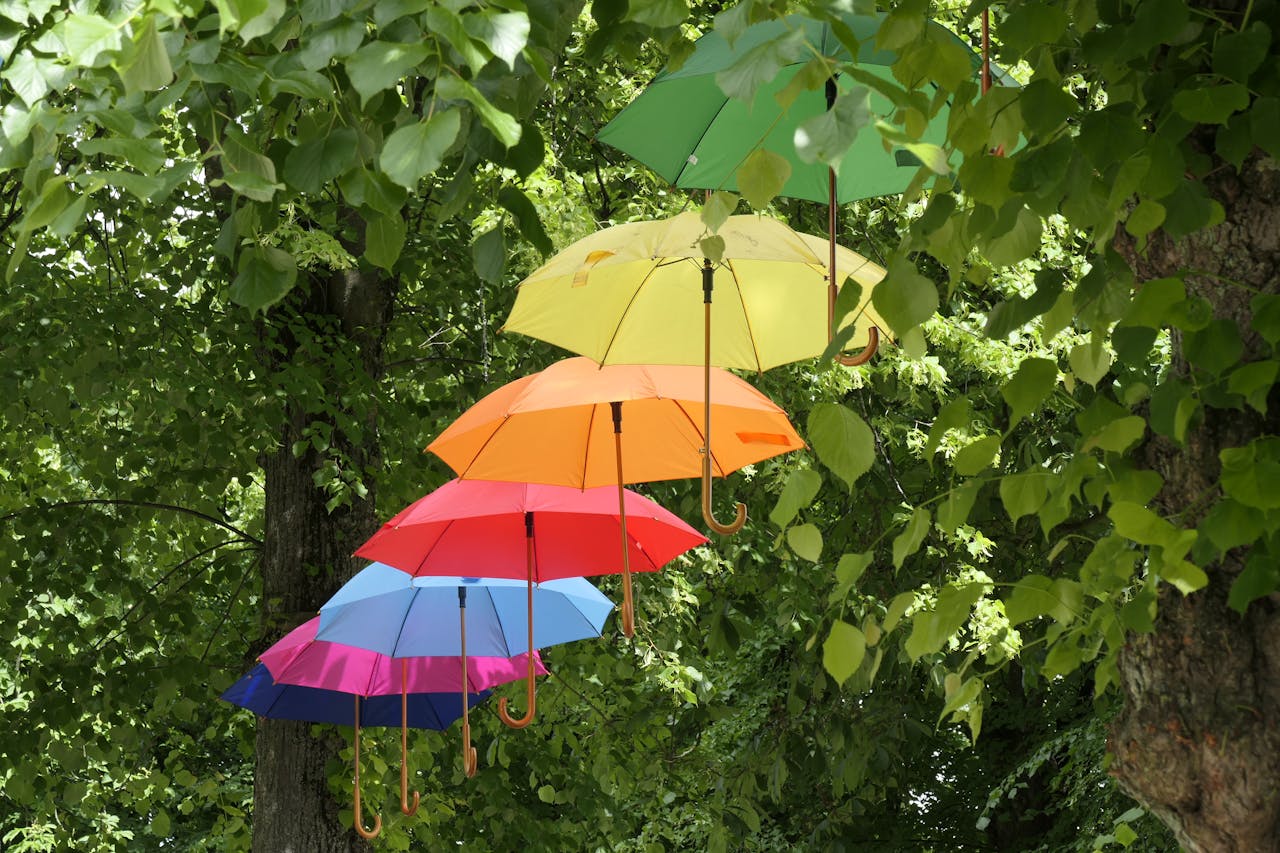
Household items step into the spotlight when creativity takes charge, and suddenly, a backyard starts to look like a flexible shading system. Patio umbrellas offer instant, adjustable shade for small garden areas, and they move easily throughout the day to follow the sun’s path. Folding chairs, laundry racks, or even small tables can support cloth or act as barriers that break direct sunlight. These everyday objects create pockets of shade that protect plants without requiring any permanent setup or investment.
This method works particularly well for container gardens, where mobility plays a huge role in plant care. Moving pots into shaded zones during peak heat hours keeps them from overheating, especially since containers dry out faster than ground soil. Combining objects, like placing fabric over chairs or using umbrellas alongside cardboard panels, creates layered shade that adapts to changing conditions. This mix-and-match approach turns a backyard into a dynamic environment where plants stay protected without expensive tools. It also encourages experimentation, which often leads to even better results over time.
Strategic Plant Placement: Let Nature Do Some of the Work
Sometimes the smartest solution involves rearranging what already exists in the garden. Taller plants naturally cast shade, and placing heat-sensitive plants near them creates a built-in protection system that looks completely natural. Sunflowers, corn, or climbing plants on trellises can act as living shade structures, reducing the intensity of sunlight for smaller companions. This technique, often called companion planting, supports both plant health and efficient use of space.
Positioning plants based on sunlight patterns also makes a noticeable difference, especially when heat reaches its peak in the afternoon. Moving pots to areas that receive morning sun but afternoon shade helps maintain balanced exposure without stressing the plants. Even fences, walls, and garden structures can provide partial shade when used thoughtfully throughout the day. This method requires observation and a bit of planning, but it rewards that effort with long-term benefits. Instead of fighting the sun directly, strategic placement works with natural conditions to create a more resilient garden.
Mulch Magic: Cooling the Soil from the Ground Up
Shade does not only come from above, and soil protection plays a massive role in keeping plants cool. Mulch acts like a protective blanket that locks in moisture and prevents soil from heating up too quickly. Materials like straw, grass clippings, shredded leaves, or even bark create a barrier that shields roots from extreme temperatures. This layer slows evaporation, which means plants stay hydrated longer even during intense heat spells.
Applying mulch also improves overall plant health, which makes it a powerful addition to any shading strategy. Cooler soil encourages stronger root systems, and those roots help plants withstand stressful conditions more effectively. Organic mulch breaks down over time, enriching the soil and adding nutrients that support continued growth. This dual benefit makes mulch one of the most cost-effective solutions available, especially since many materials come straight from the yard. A well-mulched garden not only survives heat waves but continues to thrive despite them.
Shade Cloth Alternatives That Don’t Break the Bank
Commercial shade cloth works well, but it often comes with a price tag that does not fit every budget. Luckily, several affordable alternatives deliver similar results without the extra cost. Items like mesh laundry bags, old window screens, or even lightweight netting provide partial shade while allowing air to circulate freely. These materials reduce light intensity just enough to protect plants without cutting off essential sunlight completely.
Setting up these alternatives requires only basic support structures, which makes them accessible for almost any garden setup. Attaching them to stakes, fences, or simple frames creates a functional shading system that adapts easily to different spaces. These materials also hold up well under outdoor conditions, especially when secured properly against wind. With a bit of creativity, these low-cost options perform nearly as well as store-bought solutions. The result feels both practical and satisfying, proving that effective gardening does not depend on expensive gear.
The Secret to Beating the Heat Without Spending Big
Keeping plants cool during extreme weather does not require a shopping spree or complicated installations. It calls for observation, creativity, and a willingness to experiment with what already sits within reach. Simple materials, smart placement, and thoughtful care combine to create a garden that handles heat with confidence. Each small adjustment builds resilience, and over time, those efforts lead to healthier, happier plants that can handle tough conditions.
What creative shade solution has worked best, or what new idea feels worth trying next? Share those thoughts and strategies in the comments and keep the conversation growing.
You May Also Like…
7 Budget-Friendly Mulch Alternatives That Last Longer Than You Expect
How Mulch Color Can Affect Your Garden More Than You Think
12 Plants That Love Shade and Flourish Where Sun Won’t
The Best Companion Plants for Natural Pest Control
7 Sun-Loving Houseplants That Actually Refuse To Die In Direct Light

Brandon Marcus is a staff writer for FrugalGardening.com at District Media, Inc., where he delivers practical gardening advice with a relatable, no-nonsense style. An avid amateur gardener, he holds a BA degree and with over ten years of professional writing experience, he is also an award-winning published author whose first book, Questions For Deep Thinkers, was released by Adams Media. His work has appeared in major publications including Fandom.com, CHUD.com, TheColdWire.com, and Fansided.com.
Leave a Reply