Weather across America keeps getting weirder. One week brings sunshine and short sleeves, while the next delivers freezing nights that leave gardeners staring at sad, wilted leaves in disbelief. Those dramatic shifts destroy delicate plants fast, especially in regions where spring and fall behave like emotional roller coasters. Smart gardeners no longer chase fragile blooms that collapse after one bad forecast. Tough, adaptable plants now dominate landscapes because they survive surprise cold snaps, brutal heat waves, dry stretches, and sudden storms without demanding constant babysitting.
These six resilient picks earn serious respect for handling temperature swings like seasoned pros. They stay attractive, require less maintenance, and help homeowners avoid the expensive cycle of replacing dead plants every season.
1. Sedum Laughs at Heat and Cold
Sedum thrives in conditions that make many other plants surrender immediately. This rugged succulent stores water in thick leaves, which helps it survive scorching summer afternoons and dry spells without turning crispy around the edges. Many varieties tolerate temperatures dipping below zero while still bouncing back strong in spring. Landscapers across the Midwest and Mountain West frequently rely on sedum because unpredictable weather barely rattles it. The plant also delivers colorful blooms that attract pollinators instead of looking like a boring “survival-only” option.
Homeowners love sedum because it practically eliminates gardening drama. A sudden frost rarely kills it, and blazing July heat usually makes the colors even more vibrant. Autumn Joy sedum remains especially popular because its flowers shift from pale pink to rich bronze as temperatures cool down. Many gardeners place sedum along sidewalks, rocky borders, or sunny slopes where weaker plants often fail miserably. Once established, this plant asks for very little while continuing to show off season after season.
2. Coneflowers Stay Tough Through Chaos
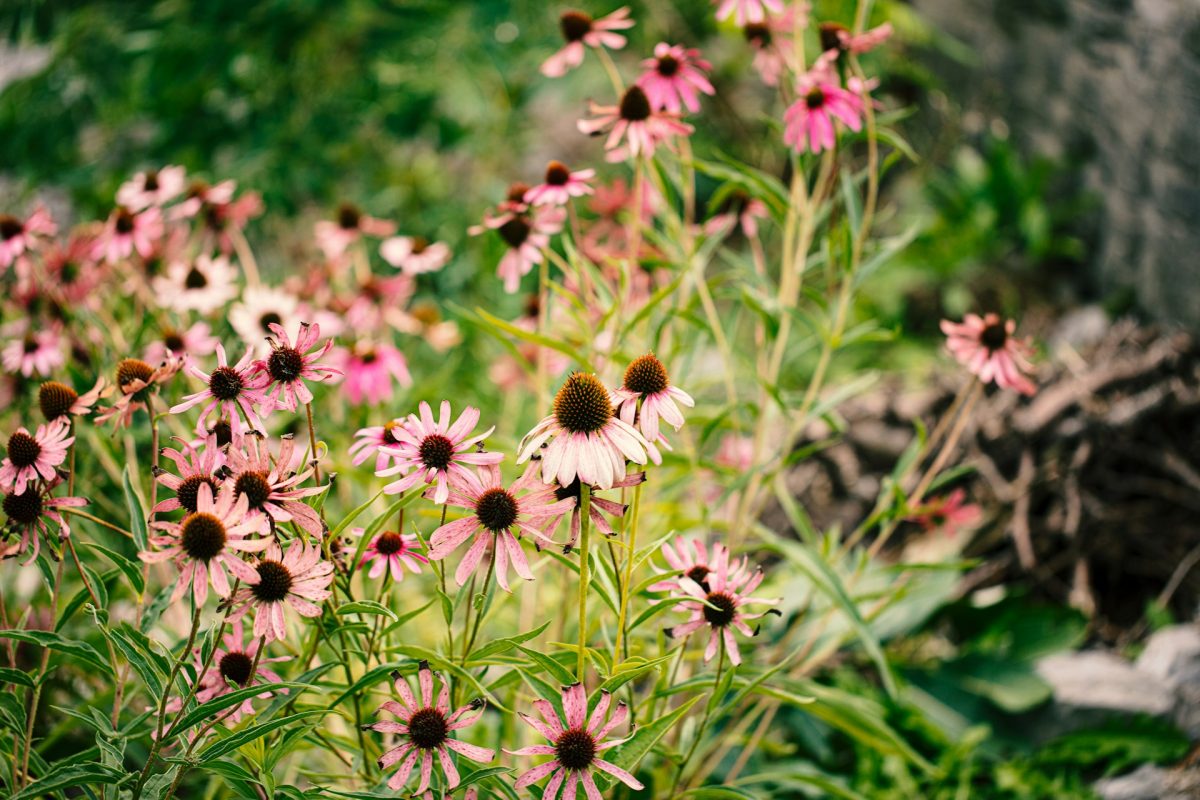
Coneflowers bring bold color without acting delicate about changing weather conditions. Native prairie roots allow these plants to tolerate blazing sun, dry soil, sudden cold snaps, and gusty winds that flatten less hardy flowers. Purple coneflowers, in particular, thrive across huge sections of the United States because they evolved to handle environmental stress naturally. Garden centers often recommend them to beginners because they survive mistakes that destroy fussier plants. Butterflies and bees also flock to the blooms during summer, which gives yards extra life and movement.
These flowers continue performing long after many summer bloomers fade out. Even when temperatures swing wildly between chilly nights and hot afternoons, coneflowers keep producing vibrant petals with minimal care. Many gardeners leave the seed heads standing during winter because birds feed on them when food becomes scarce. That means the plant keeps contributing to the landscape even after blooming season ends. Coneflowers also resist many common diseases, which makes them a practical long-term investment for busy homeowners.
3. Russian Sage Handles Brutal Conditions Beautifully
Russian sage looks soft and airy, but this plant behaves like an absolute tank. Silver-gray foliage and lavender-blue flowers create a dreamy appearance, yet the plant thrives through drought, heat waves, cold nights, and poor soil conditions without complaint. Many cities now include Russian sage in public landscaping because it survives neglect better than many traditional ornamentals. The fragrant leaves also discourage deer from turning the garden into an all-you-can-eat buffet. That combination of beauty and durability explains why its popularity keeps growing nationwide.
Temperature swings barely slow Russian sage down once roots establish properly. Hot pavement, reflected sunlight, and dry wind often stress other plants beyond recovery, but Russian sage continues blooming through the punishment. During cooler months, the silvery stems still provide texture and visual interest instead of leaving empty gaps in the yard. Gardeners often pair it with ornamental grasses or coneflowers for a landscape that survives unpredictable weather with style. The plant also handles pruning mistakes surprisingly well, which removes another common gardening headache.
4. Boxwood Keeps Its Cool Year-Round
Boxwood remains one of the most dependable shrubs for handling fluctuating temperatures gracefully. These evergreen shrubs tolerate icy winters, humid summers, and sudden weather swings while maintaining structure and color throughout the year. Many homeowners choose boxwood because it creates polished landscaping without requiring constant replacement after rough seasons. Some varieties even withstand temperatures dropping well below freezing while still looking healthy by spring. That reliability explains why boxwood has remained a landscaping favorite for generations.
Modern cultivars now resist disease far better than older varieties, which strengthens their appeal even more. Winter Gem and Green Velvet boxwoods perform especially well in regions with inconsistent seasonal patterns. Sudden warm spells during winter can damage sensitive shrubs, but quality boxwoods usually recover without major issues. They also work beautifully as foundation plantings, privacy borders, or shaped accents near entryways. With occasional watering during extreme drought, boxwoods continue delivering dependable curb appeal year after year.
5. Daylilies Refuse to Quit
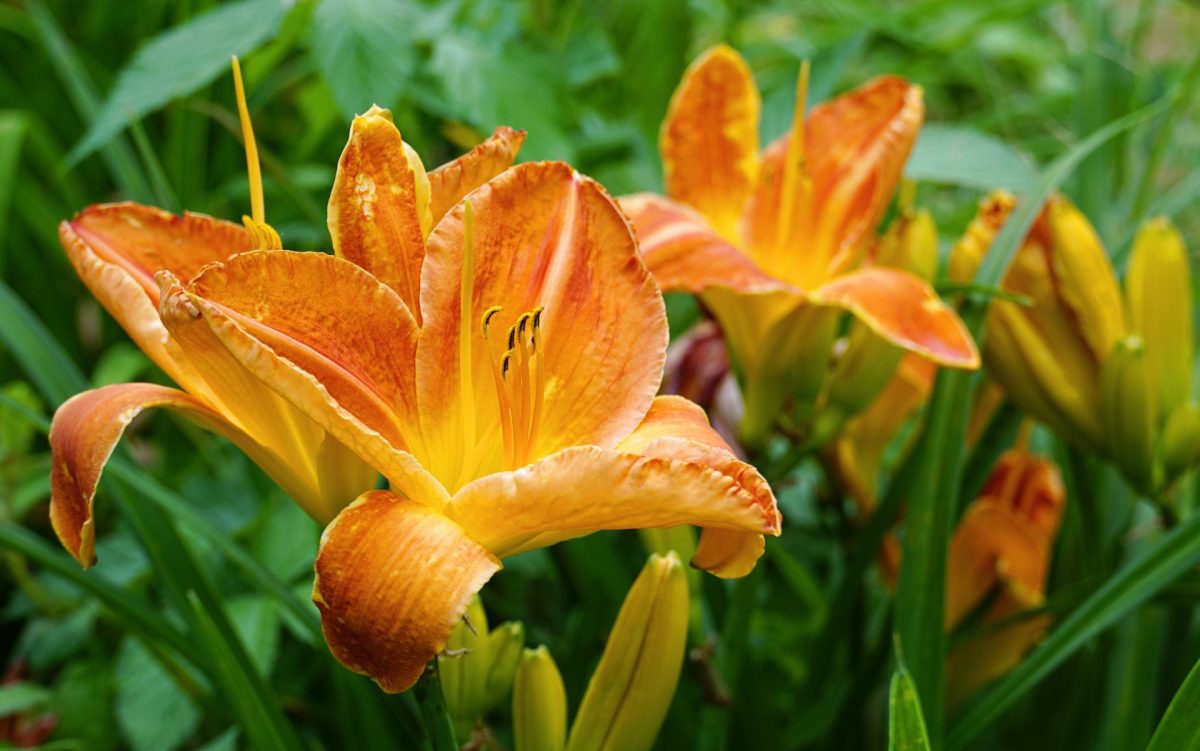
Daylilies earn loyal fans because they survive conditions that destroy many flowering perennials. These hardy plants tolerate intense summer heat, freezing winters, heavy rain, and temporary drought while still producing colorful blooms in huge numbers. Gardeners often joke that daylilies thrive almost anywhere except deep shade and standing water. Their thick root systems store energy efficiently, which helps them recover quickly after weather stress. That resilience makes them a smart choice for unpredictable climates and busy households alike.
Breeders have introduced thousands of varieties, so homeowners can find colors ranging from deep burgundy to bright lemon yellow. Some daylilies even rebloom several times during the growing season, adding extra value to landscapes. Rapid temperature changes rarely damage established plants because the roots remain remarkably sturdy underground. Many gardeners divide mature clumps every few years to create additional plants without spending extra money.
6. Ornamental Grasses Thrive in Wild Weather
Ornamental grasses bring movement, texture, and durability to landscapes facing unpredictable weather patterns. Varieties like switchgrass and feather reed grass tolerate dramatic temperature swings while staying attractive through multiple seasons. Deep root systems help these grasses survive drought conditions, and many native species also withstand severe winter freezes. Landscapers increasingly rely on ornamental grasses because they require less water and maintenance than traditional lawns or fragile flower beds. Their graceful motion in the wind adds personality that static shrubs often lack.
These grasses continue looking striking even during colder months when many gardens appear lifeless. Frost-covered plumes and golden blades create visual interest long after flowering plants disappear for the season. Many ornamental grasses also help reduce soil erosion during heavy rainstorms, which adds practical environmental benefits alongside their beauty. Once established, they typically require little more than an annual trim in late winter or early spring.
When Tough Plants Become the Smartest Investment
Gardening no longer revolves around chasing perfection through constant replacement and frustration. Weather patterns continue shifting unpredictably across America, which makes resilient plants more valuable than ever for homeowners who want attractive yards without nonstop maintenance battles. Hardy choices like sedum, coneflowers, Russian sage, boxwood, daylilies, and ornamental grasses prove that durability and beauty absolutely can coexist.
Which resilient plant has handled the craziest weather conditions in your yard? Share favorite tough-as-nails garden picks in the comments.
You May Also Like…
7 Vegetables That Germinate Fast Even in Unpredictable Spring Weather
The Early Heat Trap: Why Sudden Warm Weather Is Stalling Growth
6 Heat-Resistant Options That Hold Up as Temperatures Climb
5 Plants That Multiply So Fast You’ll Never Need to Buy Them Again
March Pruning Mistakes That Reduce Summer Harvests

Brandon Marcus is a staff writer for FrugalGardening.com at District Media, Inc., where he delivers practical gardening advice with a relatable, no-nonsense style. An avid amateur gardener, he holds a BA degree and with over ten years of professional writing experience, he is also an award-winning published author whose first book, Questions For Deep Thinkers, was released by Adams Media. His work has appeared in major publications including Fandom.com, CHUD.com, TheColdWire.com, and Fansided.com.
Leave a Reply