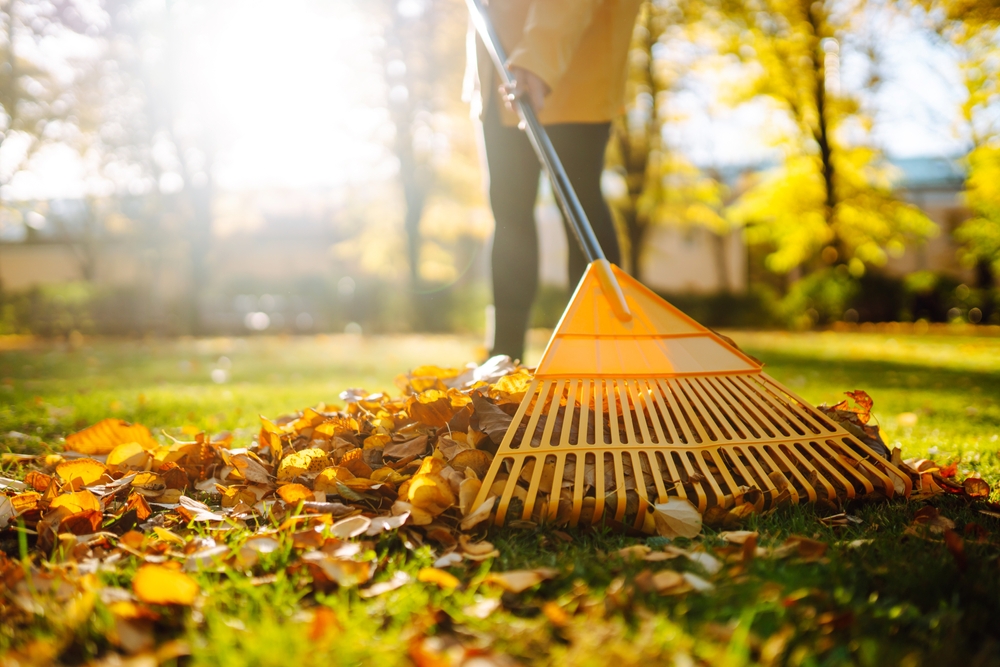
Autumn doesn’t politely tap you on the shoulder — it cannonballs into your yard. One windy afternoon and suddenly your lawn looks like it hosted a confetti parade thrown by trees with attitude. Fallen leaves pile up, crunch underfoot, and quietly dare you to do something more creative than the annual rake-and-bag routine. And honestly? They deserve better.
Those colorful castoffs are packed with potential, personality, and a surprising number of uses that go way beyond yard work drudgery. Let’s turn that leafy chaos into something clever, satisfying, and maybe even a little magical.
1. Turn Leaves Into Garden Gold With DIY Leaf Mulch
Fallen leaves are basically free mulch delivered straight to your yard, and plants absolutely love them. Shred them with a mower or leaf shredder and spread the pieces around garden beds, trees, and shrubs. The mulch helps the soil retain moisture, protects roots from temperature swings, and slowly breaks down to feed the earth.
Unlike store-bought mulch, leaf mulch improves soil structure over time rather than just sitting on top. It also attracts beneficial organisms that quietly work overtime for your garden. You’ll spend less money, toss fewer bags to the curb, and feel strangely smug every time your plants thrive.
2. Build A Cozy Winter Haven For Wildlife
Those leaf piles aren’t just messy — they’re five-star hotels for critters trying to survive winter. Frogs, salamanders, beneficial insects, and even overwintering butterflies rely on leaf cover for insulation and safety. By intentionally leaving a pile in a quiet corner of your yard, you’re creating a natural refuge that supports local ecosystems. Birds often forage through leaves for insects, turning your yard into a busy seasonal buffet. The pile doesn’t need to be huge or fancy to be effective. Sometimes doing nothing is actually doing something really important.
3. Start A Leaf Compost Pile That Actually Works
Leaves are carbon-rich material, which means they’re compost gold when paired with kitchen scraps. Layer leaves with food waste like vegetable peels, coffee grounds, and eggshells to create balanced compost. The leaves prevent soggy messes and keep odors under control while allowing airflow. Over time, everything breaks down into dark, crumbly compost your garden will devour. Composting leaves reduces landfill waste and closes the loop between yard and soil. It’s low-effort, deeply satisfying, and feels like alchemy once you see the results.
4. Create Natural Pathways And Garden Walkways
Crunchy leaf paths are a sensory experience in the best way. Spread shredded or whole leaves along garden paths, between raised beds, or in areas where grass struggles. They suppress weeds, reduce mud, and naturally decompose back into the soil. Walking on leaf-covered paths feels rustic and cozy, especially during chilly fall mornings. Over time, the soil underneath improves as organic matter works its way down. It’s practical landscaping that also happens to sound amazing under your boots.
For homeowners and landlords, small exterior choices like this add up over time. Low-impact landscaping that improves soil and reduces maintenance can help preserve curb appeal without constant spend. That’s something teams like Brady Realty Group often point out when advising Las Vegas property owners on keeping outdoor spaces functional, attractive, and easy to maintain between tenants.
5. Make Leaf Mold For Supercharged Soil
Leaf mold sounds mysterious, but it’s simply decomposed leaves — and it’s incredible for soil health. Pile leaves in a wire bin or tucked-away corner and let time do the work. After several months to a year, the leaves break down into a soft, spongy material that boosts soil moisture retention. Leaf mold doesn’t add nutrients like compost, but it dramatically improves soil structure. Gardeners swear by it for healthier roots and happier plants. It’s patience-based gardening with a big payoff.
6. Use Leaves For Creative Seasonal Decor
Leaves are autumn’s original art supply. Press them, string them, or arrange them into table centerpieces and wreaths. Different shapes and colors add natural texture you can’t fake with store-bought decor. Kids love collecting the “best” leaves, turning a walk into a scavenger hunt. You can even use leaves for rubbings, garlands, or window displays. It’s decoration that smells like fall and costs exactly nothing.
7. Insulate Tender Plants Before Cold Hits
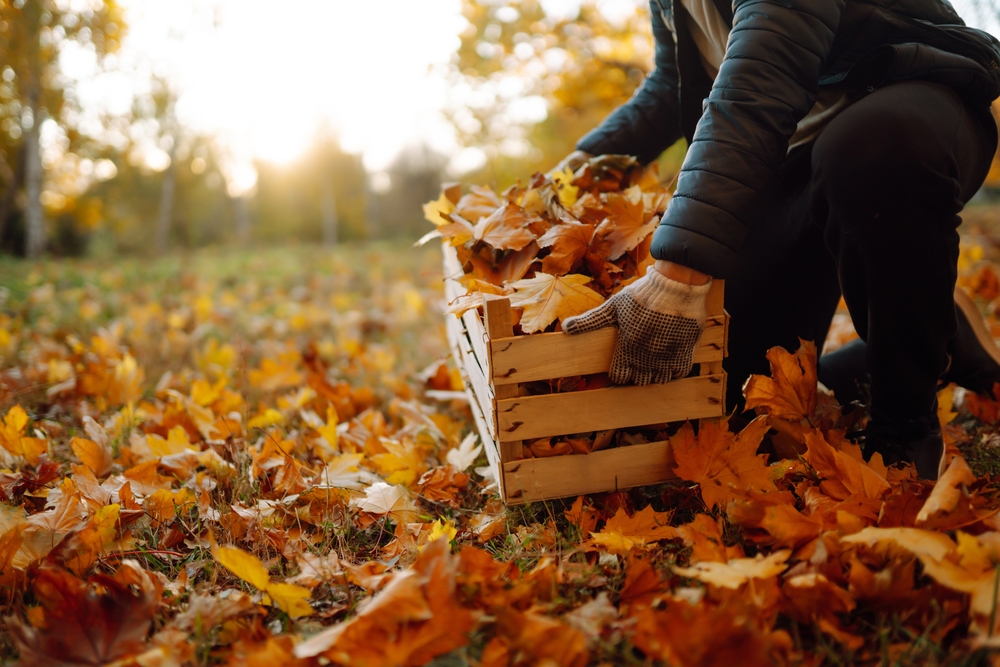
Leaves make excellent insulation for plants that struggle with cold weather. Pile them gently around the base of perennials, roses, and shrubs to protect roots from freezing temperatures. The layer traps warmth while still allowing air circulation. As the leaves slowly decompose, they enrich the soil around the plant. Come spring, you can pull them back or let nature continue its work. It’s plant protection with zero plastic and zero guilt.
8. Let Leaves Stay On The Lawn To Feed The Grass
Contrary to old-school advice, you don’t need to remove every leaf from your lawn. Mow over them and let the tiny pieces fall between grass blades. This feeds the lawn with organic matter and reduces the need for fertilizer. Grass benefits from the added nutrients and improved soil structure. As long as the layer isn’t thick enough to smother grass, leaving leaves is a smart move. Your lawn ends up healthier, greener, and less needy.
9. Use Leaves As Natural Packing Or Craft Material
Dry leaves can replace bubble wrap for fragile items when storing seasonal decor. They cushion objects while being biodegradable and compostable afterward. Leaves are also popular for school projects, crafts, and nature journals. Artists use them for prints, textures, and mixed media work. Instead of tossing leaves, you’re extending their usefulness into creative spaces. It’s resourceful in a way that feels quietly brilliant.
A Better Ending For Every Leaf
Fallen leaves don’t have to signal chores and sore arms. They can mean richer soil, healthier gardens, happier wildlife, and a deeper connection to the season unfolding around you. When you look at leaves as a resource instead of a nuisance, fall becomes less about cleanup and more about possibility. Try one idea or try them all — there’s no wrong way to let nature keep working for you.
If you’ve discovered your own clever uses for fallen leaves or had surprising results from letting them stay put, drop your thoughts or stories in the comments section below. Autumn is better when we learn from each other.
You May Also Like…
9 Garden Tools You Should Oil Now or Replace by Spring
Stop Raking! Why Leaving the Leaves Might Save Your Lawn
9 Mistakes That Make Home Gardens More Expensive Than Necessary
Protecting Garden Tools from Rust and Freeze Is More Important Than You Think
How Your Garden’s Colour Palette Changes when the Leaves Are Gone

Brandon Marcus is a staff writer for FrugalGardening.com at District Media, Inc., where he delivers practical gardening advice with a relatable, no-nonsense style. An avid amateur gardener, he holds a BA degree and with over ten years of professional writing experience, he is also an award-winning published author whose first book, Questions For Deep Thinkers, was released by Adams Media. His work has appeared in major publications including Fandom.com, CHUD.com, TheColdWire.com, and Fansided.com.
Leave a Reply